What Your Mouth Says About Your Health?
- Life Style
-
 The Buzz Nepal
 - March 17 , 2026

In today’s health-conscious world, people, especially young professionals and adults are paying greater attention to fitness, nutrition, and lifestyle choices. From gym memberships to balanced diets and skincare routines, maintaining overall well-being has become a priority. Yet one important aspect of health is often overlooked: oral health.
The mouth is not just responsible for chewing food or creating a beautiful smile. It serves as an important gateway to the body and often reflects what is happening within our overall health system. In fact, many healthcare professionals consider the mouth to be a “mirror” of general health because early signs of several systemic conditions can first appear in the oral cavity.
Understanding this connection between oral health and overall health is essential for maintaining a healthy lifestyle.
The Mouth–Body Connection

Our mouth contains hundreds of different species of bacteria. Under normal circumstances, most of these bacteria are harmless and kept under control by daily brushing, flossing, and saliva. However, when oral hygiene is neglected, harmful bacteria can multiply and lead to infections in the gums and surrounding tissues.
One of the most common oral conditions resulting from bacterial buildup is Periodontitis, a serious form of gum disease. If left untreated, this infection can damage the gums and supporting bone structure around the teeth, eventually leading to tooth loss.
But the effects of poor oral health may not stop there. Research suggests that bacteria and
inflammation from gum disease can enter the bloodstream and potentially contribute to other health complications in the body.
Oral Health and Systemic Diseases
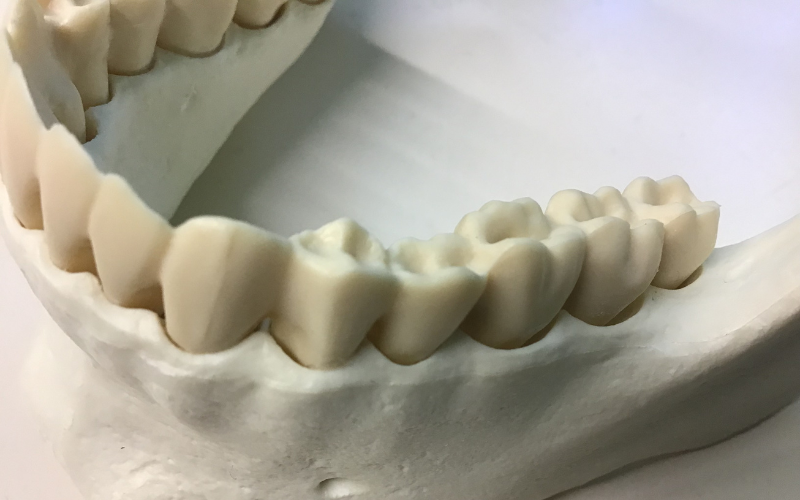
Studies have shown strong links between oral health and several chronic medical conditions. For instance, individuals with severe gum infections may have a higher risk of developing cardiovascular problems such as Heart Disease.
Inflammation caused by gum disease may affect blood vessels and contribute to conditions that impact heart health. Although research is ongoing, many experts agree that maintaining good oral hygiene may play a role in reducing systemic inflammation.
Another well-established connection exists between oral health and Diabetes. People living with diabetes are more susceptible to gum disease because elevated blood sugar levels weaken the body’s immune response to infections.
At the same time, untreated gum disease can make it more difficult for diabetic patients to control their blood sugar levels. This two-way relationship highlights why dental care is an essential component of managing overall health.
Early Warning Signs in the Mouth
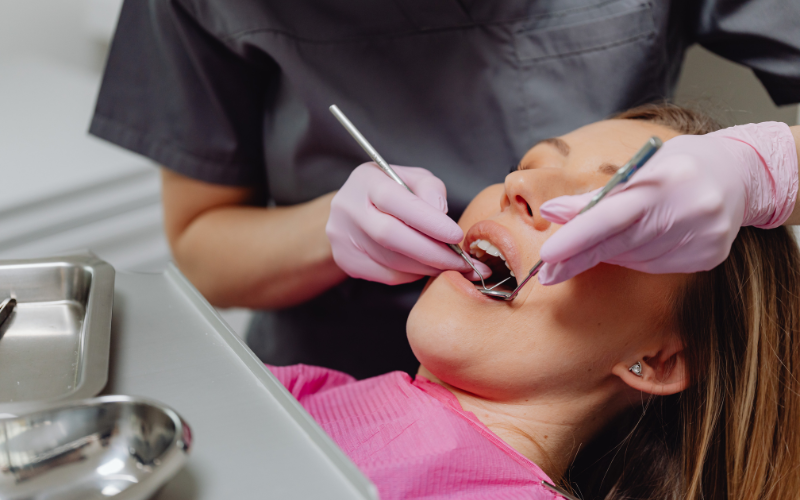
The mouth often provides early clues about underlying health issues. Recognizing these warning signs can help individuals seek professional care before minor problems become serious.
Some common signs that should not be ignored include:
- Bleeding or swollen gums
- Persistent bad breath
- Loose or shifting teeth
- Dry mouth
- Mouth ulcers that do not heal
These symptoms may indicate gum disease, nutritional deficiencies, or other medical conditions. A comprehensive dental examination can help determine the cause and guide appropriate treatment.
Why Preventive Dentistry Matters

Preventive dental care plays a critical role in maintaining both oral and overall health. Regular dental checkups allow dentists to detect early signs of tooth decay, gum disease, and other oral conditions before they develop into more complex problems.
Professional cleaning removes plaque and tartar buildup that cannot be eliminated by brushing alone. Early intervention not only protects teeth and gums but also reduces the risk of complications that may affect general health.
For young adults and working professionals who often lead busy lifestyles, preventive dentistry provides a practical way to maintain health while avoiding future dental emergencies.
Lifestyle Habits and Oral Health
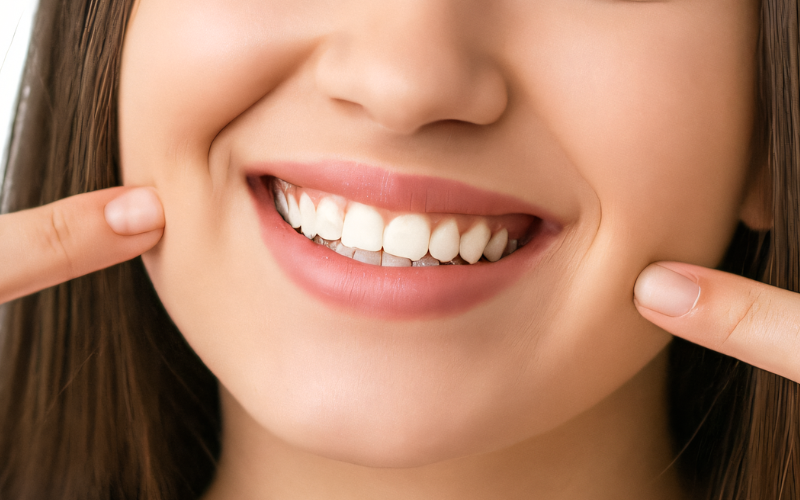
Modern lifestyles can significantly influence oral health. Frequent consumption of sugary drinks, smoking, stress, and irregular dental care routines can increase the risk of cavities and gum disease. Developing healthy habits can protect both oral and overall health. Dentists recommend the following daily practices:
- Brush teeth twice a day using fluoride toothpaste
- Floss regularly to clean between teeth
- Limit sugary snacks and beverages
- Drink plenty of water
- Visit a dentist for routine checkups
Even small lifestyle adjustments can make a big difference in maintaining long-term oral health.
A Healthy Smile Reflects a Healthy Body

Oral health is an essential component of total health and well-being. When the mouth is healthy, it often indicates that the body is functioning well. Conversely, oral problems may signal underlying health concerns that require attention. For individuals who value their health, appearance, and confidence, caring for their teeth and gums should be an integral part of their wellness routine.
A bright smile is not only a symbol of confidence, it is also a reflection of a healthy lifestyle. By prioritizing oral hygiene and seeking regular dental care, people can protect both their smiles and their overall health for years to come.
About Author
Dr. Nikita Agarwal is a Prosthodontist and Oral Implantologist based in Nepal, specializing in digital dentistry and advanced implant rehabilitation. She holds an MDS in Prosthodontics and is a Fellow and Master of the International Congress of Oral Implantologists (ICOI).
As the founder of Studio Dentale, she integrates digital technologies such as intraoral scanning, CAD/CAM, and 3D printing into clinical practice. She is also actively involved in academic training and professional education.
Instagram: @dr_nikita.agarwal | @studiodentale_

Also Read
A Little Shopping Around Kathmandu
Experience the Flavor with the View At the Terrace Garden, Radisson Hotel Kathmandu
Salads to Nourish Your Body from Within
Madan Krishna Shrestha, Priyanka Karki, Bipin Karki And More Unite In Upcoming Movie “Pahaad”
Similar News