Deworming in Pets: Why It’s Essential for Lifelong Health
- Pets
- Expert Tips
- Life Style
-
 The Buzz Nepal
 - February 4 , 2026

Internal parasites are among the most common yet overlooked health problems in pets. Many dogs and cats carry intestinal worms without showing obvious signs, but these parasites can quietly interfere with growth, immunity, digestion, and overall well-being. Some worms are also zoonotic, meaning they can be transmitted to humans, particularly children.
Regular deworming is not just a treatment measure; it is a critical part of preventive healthcare for pets.
Common Intestinal Worms in Pets
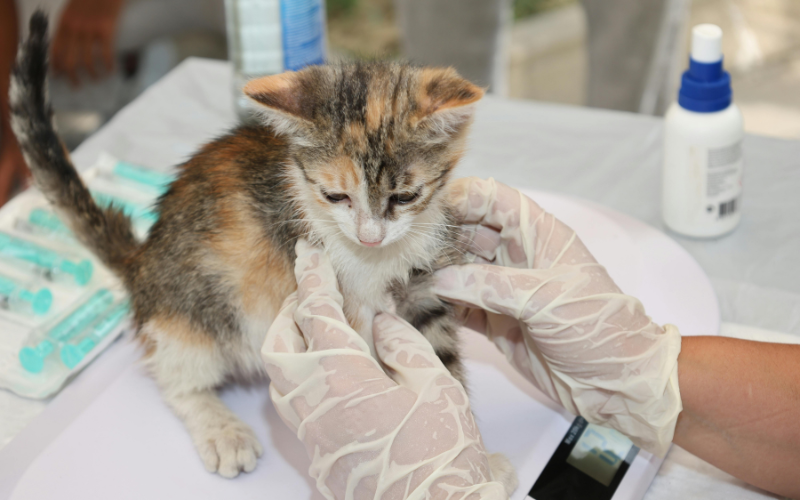
Pets can be affected by several types of internal parasites, each with different modes of transmission and risks:
- Roundworms (Toxocara)
Affects: Dogs and cats
Transmission: Mother’s milk, contaminated soil, feces
Risk to humans: Yes - Hookworms (Ancylostoma)
Affects: Dogs and cats
Transmission: Skin penetration, contaminated soil
Risk to humans: Yes - Tapeworms (Dipylidium)
Affects: Dogs and cats
Transmission: Fleas, raw or undercooked meat
Risk to humans: Rare - Whipworms (Trichuris)
Affects: Dogs
Transmission: Contaminated soil
Risk to humans: No - Heartworms (Dirofilaria)
Affects: Dogs (rarely cats)
Transmission: Mosquito bites
Risk to humans: No, but potentially fatal for pets
When to Deworm Puppies and Kittens

Young animals are almost always born with worms or acquire them from their mother. Early and frequent deworming is essential because worm life cycles are short and reinfection is common.
Recommended deworming schedule for puppies and kittens:
Puppies and kittens should be dewormed starting at two weeks of age, followed by treatments at four, six, and eight weeks, and then continued monthly until they reach six months of age.
Deworming Adult Dogs and Cats
After six months of age, dogs and cats should be dewormed routinely every three months, while monthly deworming may be recommended for pets that spend time outdoors, hunt rodents, live in multi-pet households, are exposed to high mosquito populations, or live in warm and humid climates such as much of Nepal.

Pregnant and Lactating Pets
Deworming the mother is crucial to protect both her health and that of the litter.
Recommended schedule:
The recommended deworming schedule includes treatment at mating, ten days before whelping or queening, two weeks after delivery, followed by the regular puppy or kitten deworming schedule thereafter.
Always consult a veterinarian to ensure the correct and safe medication is used during pregnancy and lactation.
Signs Your Pet May Have Worms
Some pets show no visible symptoms, but possible signs include:
- Pot-bellied appearance (especially in puppies)
- Diarrhea or soft stools
- Vomiting (worms may occasionally be visible)
- Weight loss despite a good appetite
- Dull or poor coat condition
- Scooting (commonly linked to tapeworms)
- Coughing due to larval migration
- Anemia or weakness (particularly with hookworms)

How to Deworm Properly
Step 1: Use the correct medication
Broad-spectrum dewormers commonly include:
- Pyrantel pamoate
- Fenbendazole
- Praziquantel
- Febantel
- Milbemycin or ivermectin (for heartworm prevention)
Never use human medications or unverified local remedies.
Step 2: Dose according to body weight
- Underdosing reduces effectiveness.
- Overdosing can cause toxicity.
Always weigh your pet before administering medication.
Step 3: Repeat the dose
Most dewormers require a second dose after 14 days to eliminate newly hatched larvae.
Step 4: Maintain good hygiene
- Dispose of feces promptly
- Wash bedding regularly
- Control fleas (essential for preventing tapeworms)
- Prevent scavenging and hunting behavior

Heartworm Prevention
Heartworm disease is not common in Kathmandu, but in mosquito-prone regions, particularly in the Terai, monthly heartworm preventive medication is strongly recommended for dogs. Heartworm disease is fatal but preventable with consistent care.
Should Your Pet Have a Stool Test?
Yes. Stool examinations are recommended:
- Once or twice a year
- When diarrhea persists
- Before vaccinations in puppies
- If deworming appears ineffective
Stool tests help identify specific parasites and guide appropriate treatment.
Common Deworming Mistakes Pet Owners Make
- Deworming only when worms are visible
- Using the same medication repeatedly without rotation
- Skipping the second dose
- Ignoring flea control
- Assuming indoor pets do not need deworming
About The Author
Dr. Subash Rimal-veterinarian, academic, and animal welfare advocate is a trusted name in Nepal’s veterinary field. An Assistant Professor at the Institute of Agriculture and Animal Science (IAAS), Tribhuvan University. He also serves as a practicing clinician at Lifeline Veterinary Hospital & Research Centre, Lalitpur, where he blends science and compassion in his approach to animal care.
Contact Details:
Lifeline Veterinary Hospital And Research Centre
Location: Sanepa, Lalitpur
Instagram: lifelinevet_hospital

Also Read
Abishek Khadka Joins Haribansha Acharya in Upcoming Film “Shree Niwas”
How to Make the Easiest Romantic Dessert at Home
Similar News