Karan Vaidya: Leading by Example to Empower Nepal’s Youth
- Entertainment
-
 The Buzz Nepal
 - June 26 , 2025

In today’s world, where success is often measured by titles and credentials, Karan Vaidya chooses a different path, one rooted in purpose, impact and inspiration. For him, leadership isn’t about the position you hold, but the example you set.
Karan is the Vice-President of Vaidya Group, Honorary Consul of Latvia in Nepal (the youngest ever appointed worldwide) and Vice-President of the European Economic Chambers of Nepal. But beyond these formal roles, he defines himself as someone working to empower the youth of Nepal through how he lives, the platforms he builds and the values he stands for.
Rooted in Legacy: The Influence of Family
For Karan two key figures have profoundly shaped his values: his maternal grandfather and his father.
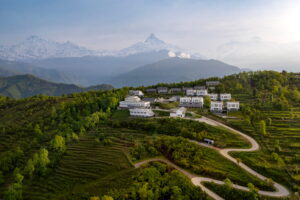
His grandfather was a visionary, establishing Nepal’s first resort, the Dhulikhel Mountain Resort, at a time when few dared to dream that big. That spark helped transform Dhulikhel into a thriving destination, setting a standard for innovation and courage.

Karan’s father, by contrast, exemplified quiet resilience. Without receiving many of the advantages typically passed down, he forged his own entrepreneurial journey through sheer determination. To Karan, he remains the truest definition of an entrepreneur, one who builds through hardship and hustle.
These early influences instilled in Karan the importance of both vision and perseverance, values that continue to guide his personal and professional life.
A Turning Point: Coming Home After Crisis
Though Karan always intended to return to Nepal, he spent years gathering international experience in cities like London, Toronto, and Singapore. In 2015, he was serving as Vice-President of a telecommunication technology firm in Singapore, helping to set up its Asian headquarters.
Then the devastating earthquake struck Nepal.
Watching the aftermath unfold from afar was unbearable. That moment became a catalyst. Karan knew he couldn’t sit on the sidelines, he had to return home and contribute. His transition from international boardrooms to local impact was sudden, but purposeful.
Leadership for a New Generation
Karan embraces a flat leadership style, grounded in shared vision and mutual respect. He believes the time for rigid hierarchies is over.
“In today’s world, if you want your team to believe in you, you must work harder than everyone else,” he says. “Only then will they buy into the vision you’re building together”.
This people-first approach reflects not only modern leadership trends but also Karan’s core belief in collective progress.

Balancing Influence and Purpose: A Modern Digital Strategy
Juggling business, diplomacy, and public presence, Karan uses social media with a clear intention: to inspire, not impress.
He deliberately keeps his diplomatic and formal roles separate from his digital platforms. Instead, his content focuses on books, business, fitness, and mindset offering his personal insights and lessons in an authentic, accessible way. His goal is to motivate young people to take ownership of their lives and futures.
Technology and Innovation: Building with Purpose
Technology is central to Karan’s business strategy. One of his latest ventures, Vitavie, a skin aesthetics and anti-aging clinic in Kathmandu, is a case in point.
Using social media and digital tools, Vitavie has been able to reach, educate, and engage potential clients organically. It’s an example of how modern businesses can leverage digital platforms not just for growth, but for creating trust and value.
Adapting to Nepal’s Unique Business Environment
Returning to Nepal after years abroad wasn’t without challenges. Coming from structured systems like Singapore’s, Karan faced the unpredictability and inefficiencies of Nepal’s business environment head-on.
But over the past decade, he’s adapted, learning how to navigate the local system with global insight and developing the strategic patience and cultural fluency needed to thrive.

Reviving Kakani: A Legacy Reimagined
One of Karan’s current focus areas is restarting the Kakani Resort project delayed due to the pandemic and the economic recession that followed. Inspired by his grandfather’s work in Dhulikhel, he hopes to make Kakani a sought-after destination, this time with a strong focus on sustainability.
His goal is to develop the area without compromising the natural beauty that makes it so special, ensuring long-term benefits for both the land and the local community.
Advice to Aspiring Entrepreneurs
Karan’s core advice to those starting out is simple but powerful:
“It will never be the perfect time to start, you have to start before you are ready and then make amends on the way. Prompt decision making has been a key learning for me. As an Engineer by background, I used to be always stuck with Analysis paralysis. Now I am learning that it is always better to start, make mistakes but fail forward, then pick yourself back and move ahead with more experience and more knowledge.”
Looking Ahead: A Life Rooted in Impact
Karan holds degrees from Purdue University, and a dual MBA from MIT Sloan and Tsinghua University. While he has worked across the globe, his heart has always been in Nepal.
During his time at MIT, he developed a thesis called The Moksh Model a blueprint for rural prosperity through sustainable tourism. That vision continues to shape his work across sectors today.

He’s also the founder of Bloom, Kai Hospitality, and co-founder of Vitavie. He serves on the executive board of SOS Children’s Villages Nepal, helping to support vulnerable communities across the country.
Empowering the Next Generation
Through every venture, speech and social post, Karan’s goal remains the same: to uplift and empower the youth of Nepal. He believes the future of the country lies in their hands and that with the right tools and mindset, they can build a stronger, more resilient Nepal.
“Nepal has immense potential and it will be the youth who take this country to its next great height.”
Also read:
Sabina Shrestha: Turning Self-Doubt Into Strength
What’s Hitting Nepali Cinemas This June 27, 2025?
Made to Inspire: A Collection of Passion & Craft
Where the Mountains Meet Luxury: Chandragiri Hills Resort
Sushi Meets Serenity: Dining at Yasumi Japanese Restaurant, Kathmandu
Similar News