Morning vs. Evening Yoga: Are You Practicing at the Right Time?
- Expert Tips
- Wellness
-
 The Buzz Nepal
 - February 1 , 2026
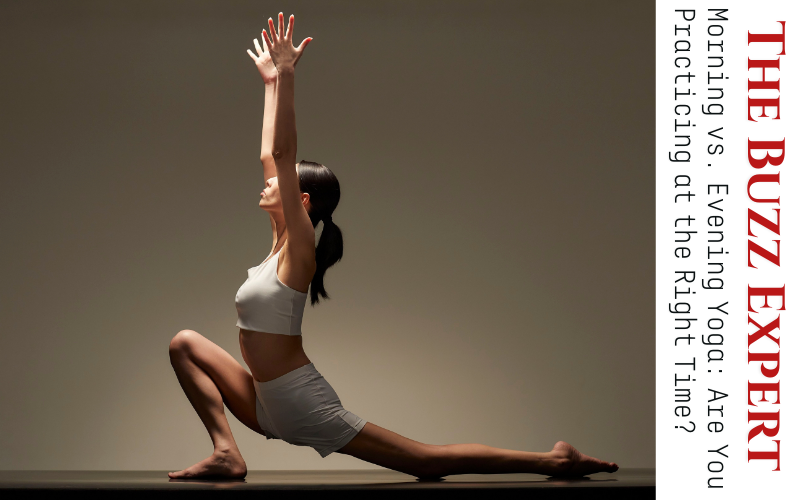
Many people practice yoga every day, yet still feel unusually tired after a morning session or mentally restless at night. If this sounds familiar, the issue may not be how much yoga you’re doing, but when and what kind.
Yoga isn’t only about the poses. Timing matters just as much.
Our bodies follow natural daily rhythms. In the morning, the system transitions from rest to activity. Heart rate increases, hormones support alertness, and the mind prepares for the day ahead. In the evening, the body shifts toward rest, repair, and recovery. Your yoga practice should support these natural rhythms, not work against them.
Small adjustments in timing and technique can make a noticeable difference.
Morning Yoga: Energize and Awaken
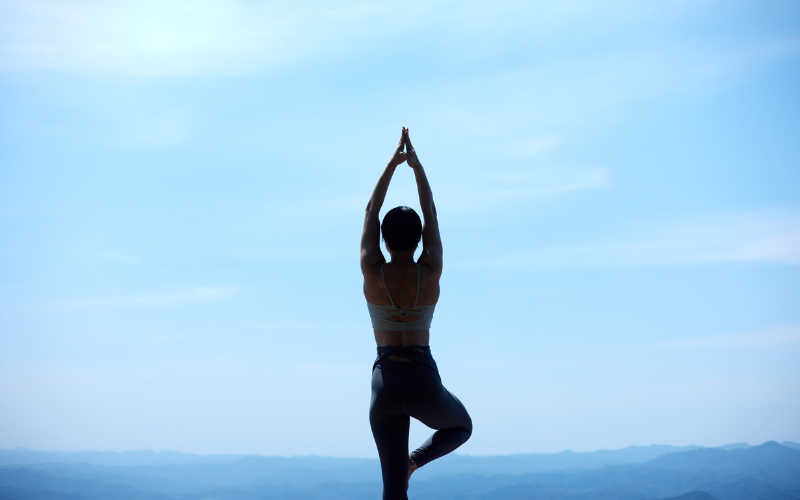
What Your Body Needs in the Morning
In the early hours, the body benefits from gentle stimulation and movement. Morning yoga should help you wake up fully, physically and mentally. It helps you in:
- Muscle activation
- Spinal movement
- Improved circulation
- Mental alertness
- Internal warmth
Best Morning Practices
Choose practices that are dynamic and uplifting:
- Surya Namaskar (performed as a steady, flowing sequence)
- Backbends such as Bhujangasana and Ustrasana
- Standing poses
- Kapalbhati
- Bhastrika
When practiced appropriately, morning yoga can:
- Reduce stiffness from sleep
- Improve focus and productivity
- Support metabolism
- Build positive energy for the day
What to Avoid in the Morning
Certain calming practices may feel pleasant but can leave you feeling dull or sleepy when energy is needed:
- Long forward bends
- Very slow, passive stretches
- Extended meditation at the start of practice
- Slow, deeply calming pranayama
Evening Yoga: Calm and Restore
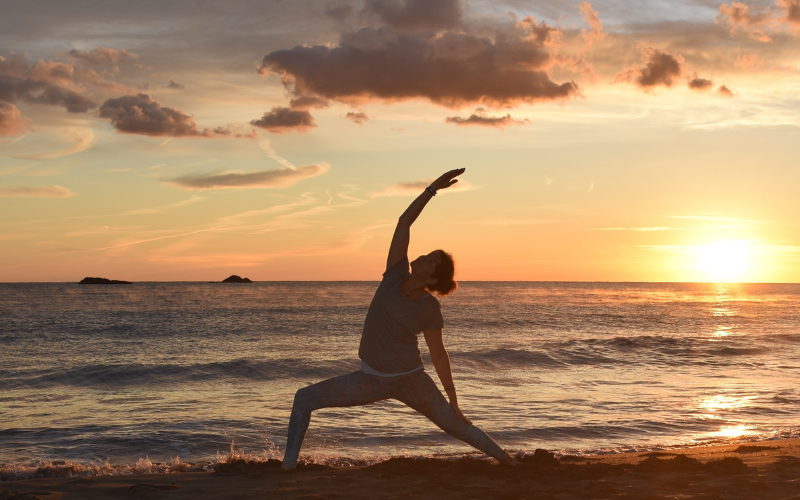
What Your Body Needs in the Evening
As the day winds down, the nervous system needs support to shift into rest mode.
- Nervous system relaxation
- Release of muscle tension
- Mental quietness
- Preparation for sleep
Best Evening Practices
Evening yoga should be gentle and grounding:
- Forward bends such as Paschimottanasana
- Twists like Ardha Matsyendrasana
- Gentle seated or lying poses
- Chandra Namaskar (a few slow, mindful rounds)
- Anulom Vilom
- Bhramari
An evening-focused practice can:
- Relieve stress accumulated during the day
- Support digestion
- Reduce anxiety and mental overactivity
- Promote deeper, more restful sleep
What to Avoid in the Evening
Stimulating practices late in the day may interfere with rest:
- Fast-paced flows
- Strong backbends
- Surya Namaskar (one light round may be used as a warm-up if needed)
- Kapalbhati or Bhastrika
A Simple Rule to Remember
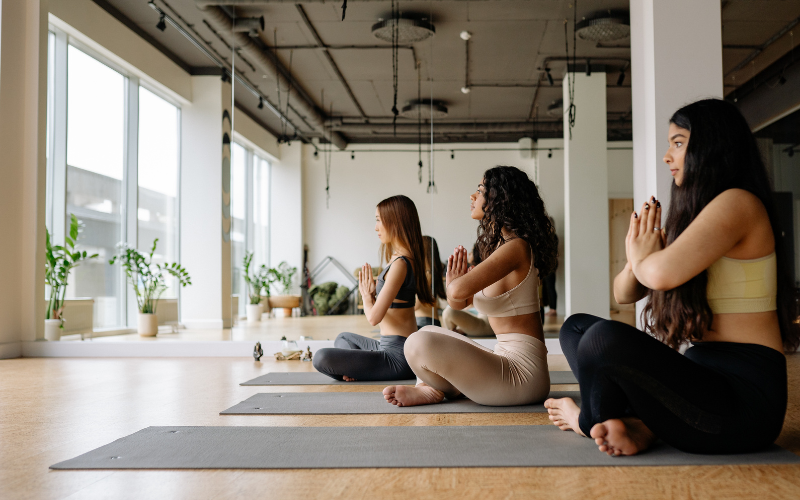
Morning yoga should energize you.
Evening yoga should calm you.
If you feel tired after morning yoga, your practice may have been too calming.
If you feel restless at night or struggle to sleep, your practice may have been too stimulating.
Yoga doesn’t require drastic changes to be effective. Often, it’s the small, thoughtful adjustments that create the biggest impact.
By aligning your yoga practice with your body’s natural clock, you may notice:
- Better energy during the day
- Better sleep at night
- A stronger sense of overall balance
Small change. Big difference.
About the Author
Reena Maharjan is a passionate yoga educator with over 10 years of practice and 8 years of teaching experience. She is a 500-hour certified instructor trained in Nepal and India. Also certified in prenatal/postpartum yoga and mat Pilates, she blends ancient wisdom with mindful movement.
Instagram: yogawith_reena
For more yoga tips like this, stay tuned to The Buzz Nepal, where true wellness begins with real journeys.
Also Read
Sushant KC Postpones Australia Tour: Promises a Bigger, Inclusive Show
Nepali Fashion Brands You Should Know in 2026
Creators Mela Unveils Power-Packed Line-Up for Day 2 at Aloft Kathmandu
Everyday Winter Makeup: Professional Tips for a Refined, Radiant Look
Sujan Chapagain & The Infinity Band Announce Europe Tour 2026
Similar News