Why Own When You Can Rent?
- Entertainment
-
 Rekha Shrestha
- November 26 , 2026
As lifestyles change and spending habits evolve, renting is becoming an alternative to owning things we don’t use every day.
For a long time, owning something was considered a sign of stability and independence. From having a wardrobe full of clothes to buying the latest gadgets, people often associated ownership with convenience. But as lifestyles change and the cost of living continues to influence spending decisions, more attention is being given to another option: renting.
The idea is simple. Instead of purchasing something that may only be used occasionally, why not rent it when needed? Whether it is an outfit for a wedding, a camera for a weekend project or furniture for a temporary living arrangement, renting offers access without the responsibility of permanent ownership.
A Different Way of Consuming
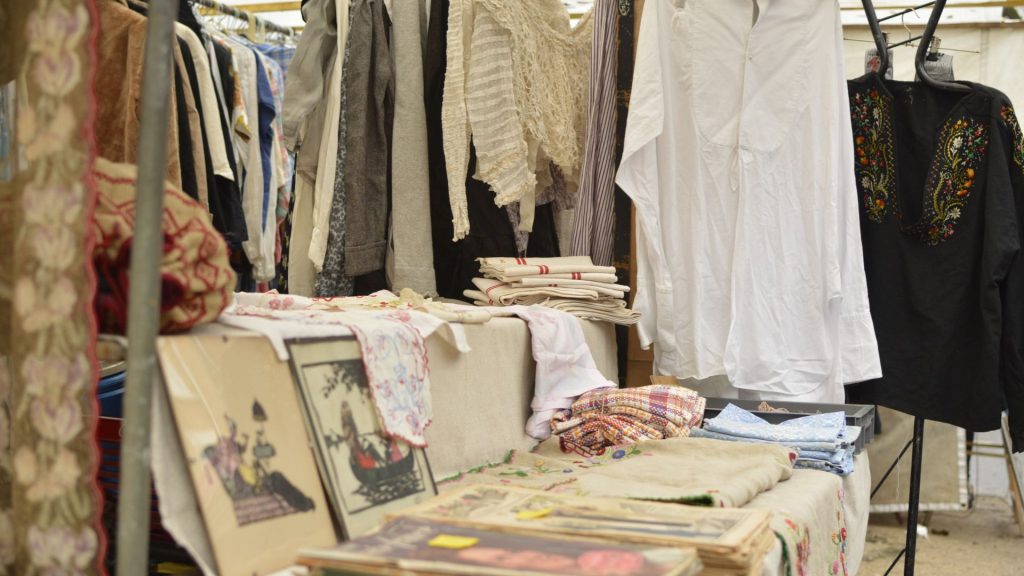
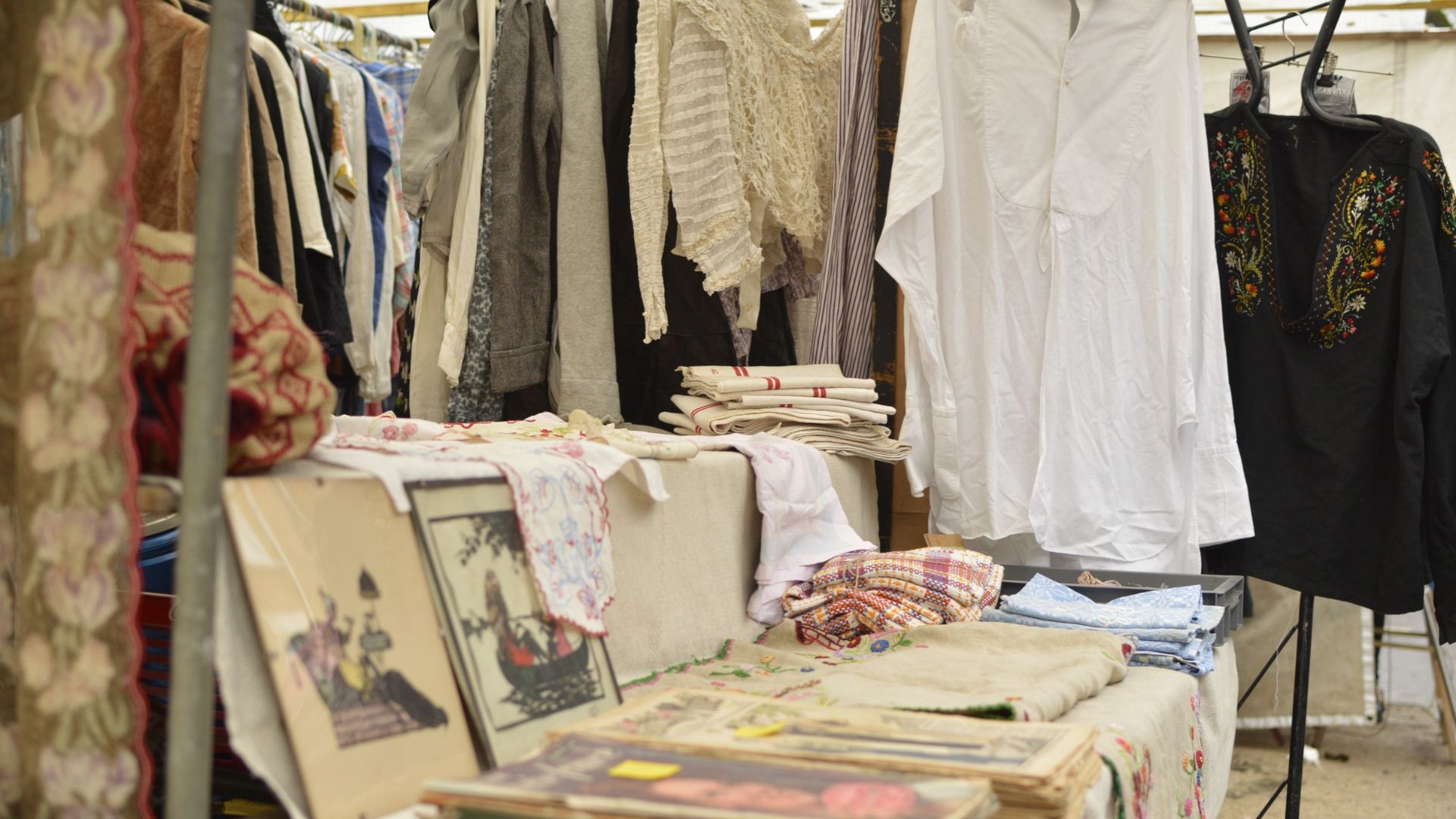
One of the clearest examples of this shift can be seen in fashion. Special occasions often come with the pressure to wear something new, even when an outfit might only be worn once or twice. Renting traditional outfits, party dresses and accessories provides an alternative to repeatedly purchasing expensive clothing.
Kathmandu has already seen the emergence of clothing-rental businesses catering to customers looking for affordable occasion wear. This also connects with growing conversations around sustainable fashion and reducing unnecessary consumption.
The same idea extends beyond clothing. Photography enthusiasts and content creators may rent cameras and lenses instead of investing in expensive equipment. Students and young professionals who move frequently may find renting furniture or household appliances more practical than buying everything from scratch. Vehicles, event equipment and recreational gear are other examples of items that can be rented for specific needs.
Affordability Meets Convenience
Cost is one of the biggest reasons people consider renting. Purchasing something requires a larger upfront investment, whereas renting allows people to pay only for the period they need it.
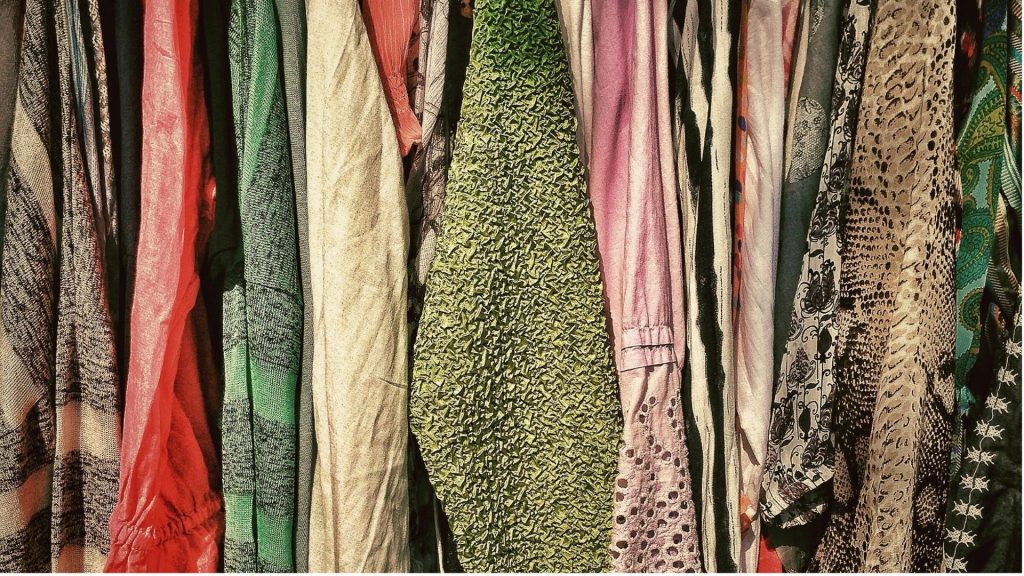
For someone attending several events throughout the year, renting different outfits may be more economical than purchasing a new dress for every occasion. Similarly, buying professional camera equipment for a single project may not make financial sense for someone who does not use it regularly.
Renting can also reduce the responsibilities that come with ownership. There is less concern about finding storage space, maintaining rarely used products or eventually reselling items that are no longer needed.
This flexibility can be particularly useful for students, freelancers, travellers and people whose living arrangements or professional needs frequently change.
Is It a More Sustainable Choice?
Beyond financial convenience, renting also raises an important question about consumption.
Many products are purchased, used for a short period and eventually left unused. Clothing, electronics and household items can take up considerable storage space despite being used only occasionally.
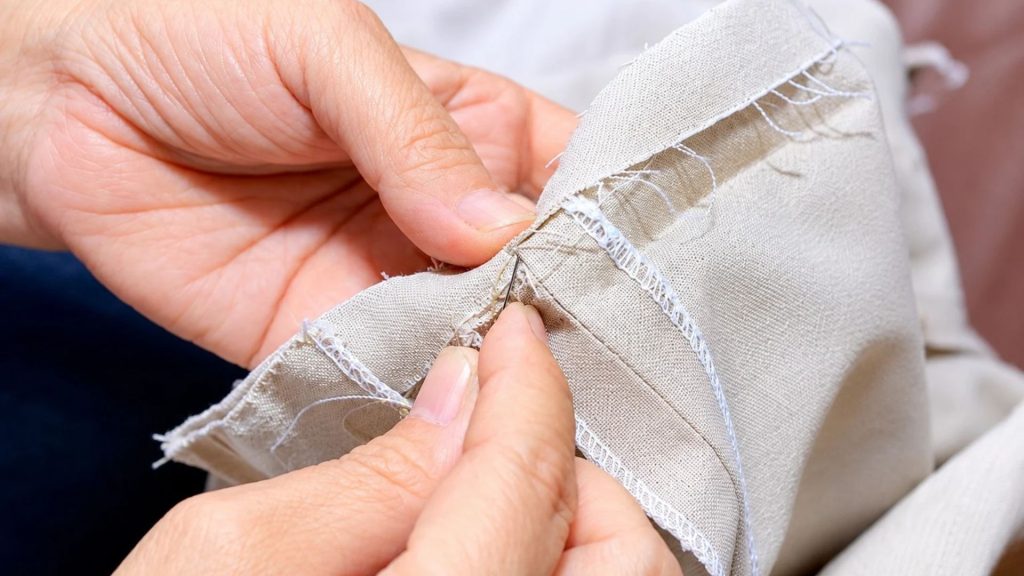
Sharing products through rental arrangements can help extend their useful life and reduce the need for multiple people to purchase the same item independently. In fashion, for example, one outfit can be worn by several customers rather than remaining unused in a wardrobe.
However, renting is not automatically sustainable. Frequent transportation, packaging, cleaning and maintenance can also create environmental costs. Its environmental benefits depend on how responsibly the rental system is managed and how often products are reused.
The Challenges of Renting
Despite its advantages, renting comes with certain limitations. Concerns about hygiene, product quality, availability and possible damage can make some customers hesitant.
Rental agreements also require attention. Customers need to understand security deposits, return deadlines, late fees and damage policies before committing to a rental.
There is also the question of convenience. For products used regularly, purchasing may eventually prove more economical than repeatedly paying rental charges. Having personal belongings can also provide a sense of comfort, familiarity and control that renting cannot always offer.
A Shift in How We Define Ownership
Renting does not necessarily mean giving up the idea of ownership. Rather, it encourages people to think more carefully about what they actually need to own.
For everyday essentials and frequently used products, buying may remain the better choice. But for occasional needs, temporary arrangements and expensive equipment, renting can offer a practical alternative.
As consumer habits continue to evolve, the question may no longer be simply about what people can afford to buy, but also about what they genuinely need to own.
Perhaps the smartest purchase is sometimes the one we decide not to make.