Beyond the Screen: Why Young Nepalis Still Love Collecting Physical Things
- Life Style
- Culture and Tradition
- people
-
 Rekha Shrestha
- November 24 , 2026
From old photographs and vinyl records to film cameras, books, coins and concert tickets, collecting physical objects is a way for people to hold on to memories, interests and things they genuinely love.
Think about the last time you went through your phone’s gallery. You probably came across hundreds of photographs, screenshots and videos. But how many of those memories have you actually printed, displayed or kept somewhere you can physically revisit?
Today, almost everything is digital. We listen to music online, read books on screens and store photographs in the cloud. While convenient, digital experiences cannot always replace the satisfaction of owning something tangible.
For some young Nepalis, collecting has become a way to connect with their interests beyond the screen. It could be a shelf of books, vinyl records, an old camera, miniature cars or concert tickets saved from memorable nights. These objects may not have much monetary value, but they often carry personal stories.
The Joy of Owning Something Real
There is a certain satisfaction in owning something you can hold, display and revisit. A physical book offers the experience of turning pages, underlining favourite lines and finding old notes tucked between them. A record comes with its artwork, packaging and the experience of playing an entire album.
Even a simple movie ticket or postcard can become special over time. It might remind someone of their first concert, a trip with friends or a particular moment in life.
For many collectors, the excitement is not just about finding new items. It is also about the memories and stories attached to them.
Music That Goes Beyond a Playlist
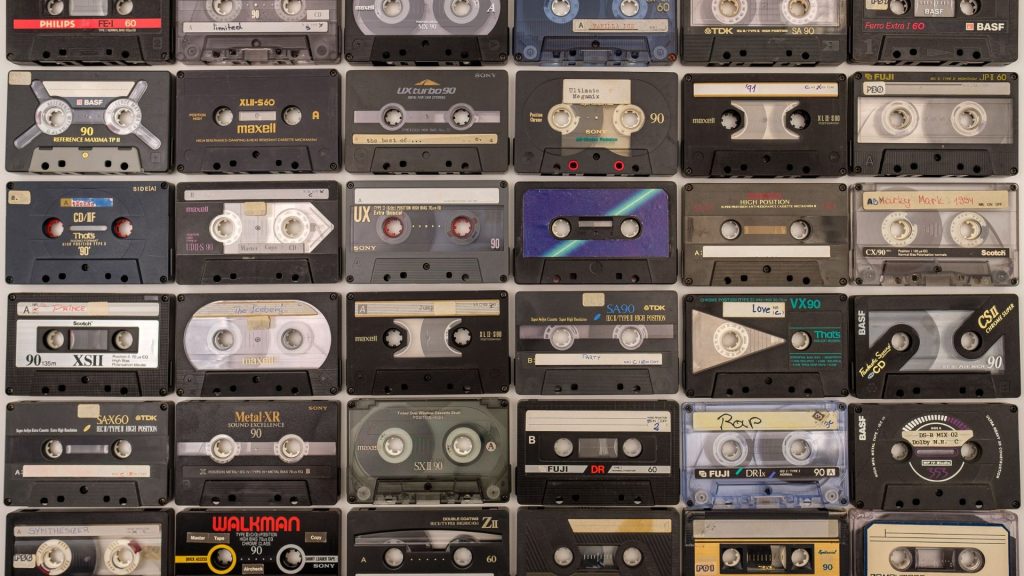
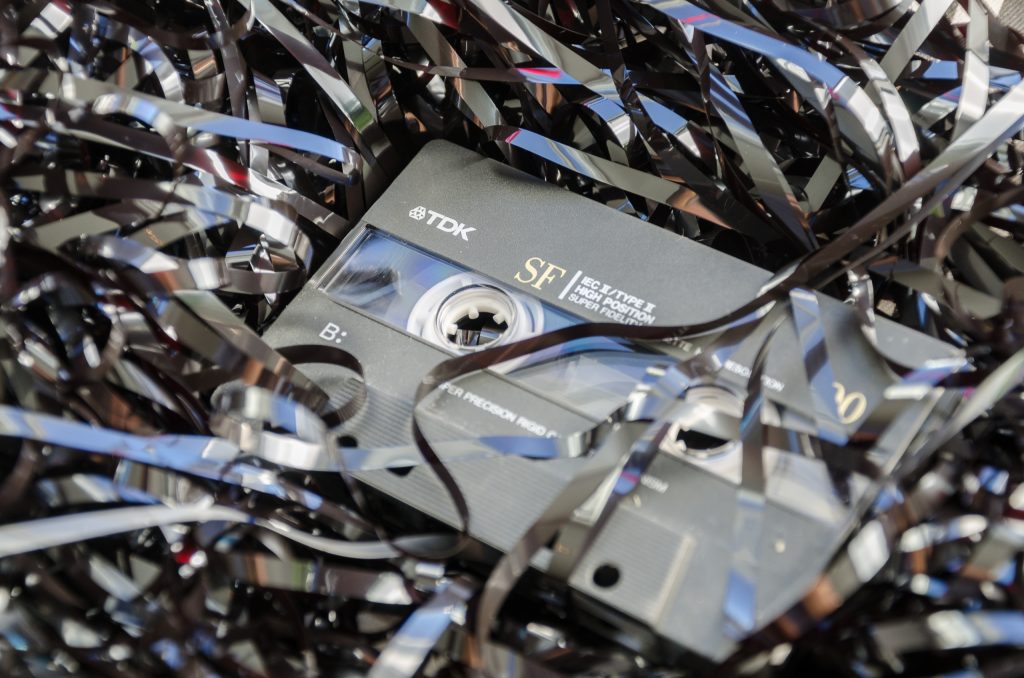
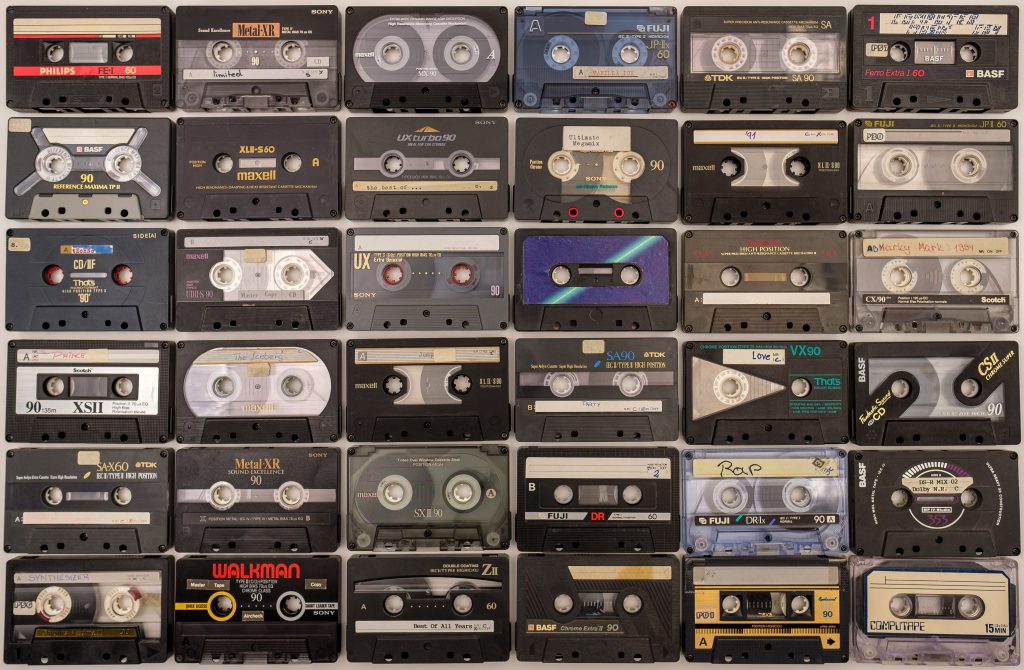
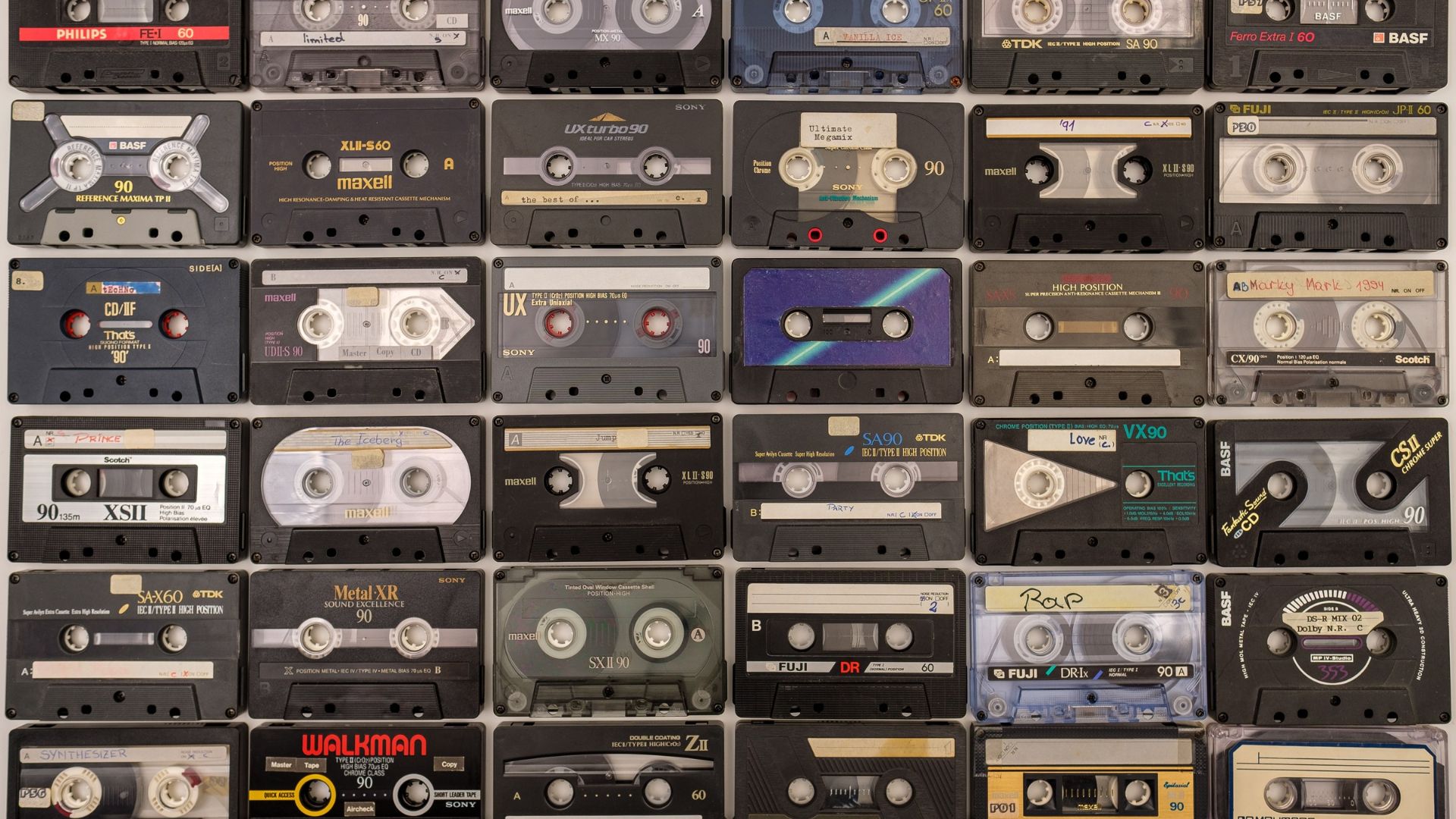
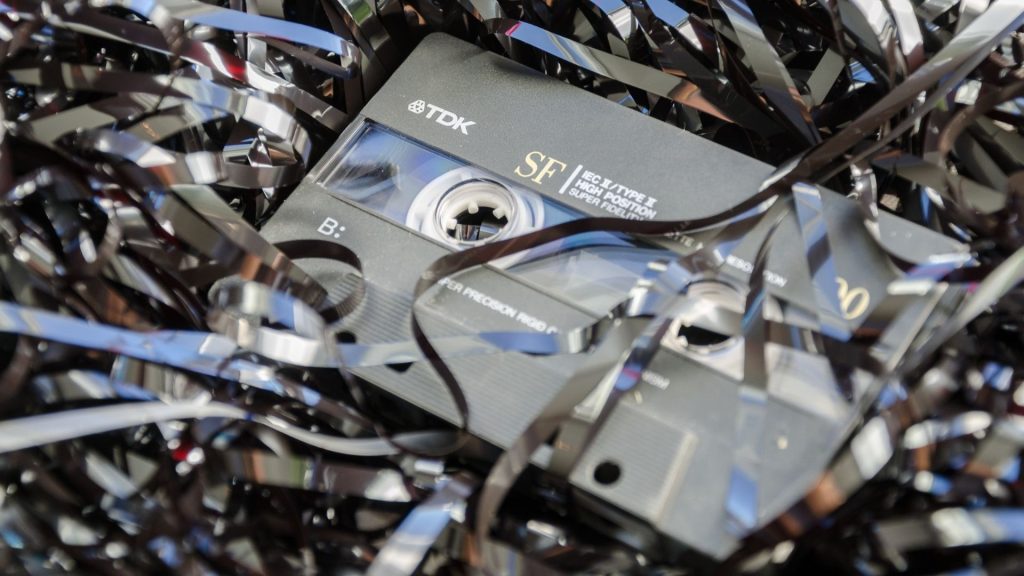
Streaming platforms have made millions of songs available at our fingertips, but vinyl records, CDs and cassette tapes continue to attract music enthusiasts.
Listening to a record is a different experience from selecting a song on a phone. There is the process of choosing an album, taking it out of its cover and placing it on a turntable. For some, the album artwork and packaging are just as interesting as the music.
Nepal also has a connection with this culture. Wild Yak Records, a Nepali record label, has worked to preserve and release Nepali music in vinyl format, bringing attention to recordings worth remembering.
Beyond vinyl, old CDs, cassette tapes and music merchandise can also become part of a personal collection. For collectors, these items represent artists, albums and musical moments that have stayed with them.
Film Photography: Taking a Moment to Slow Down
While smartphone cameras allow people to capture countless photographs instantly, film photography requires more patience.
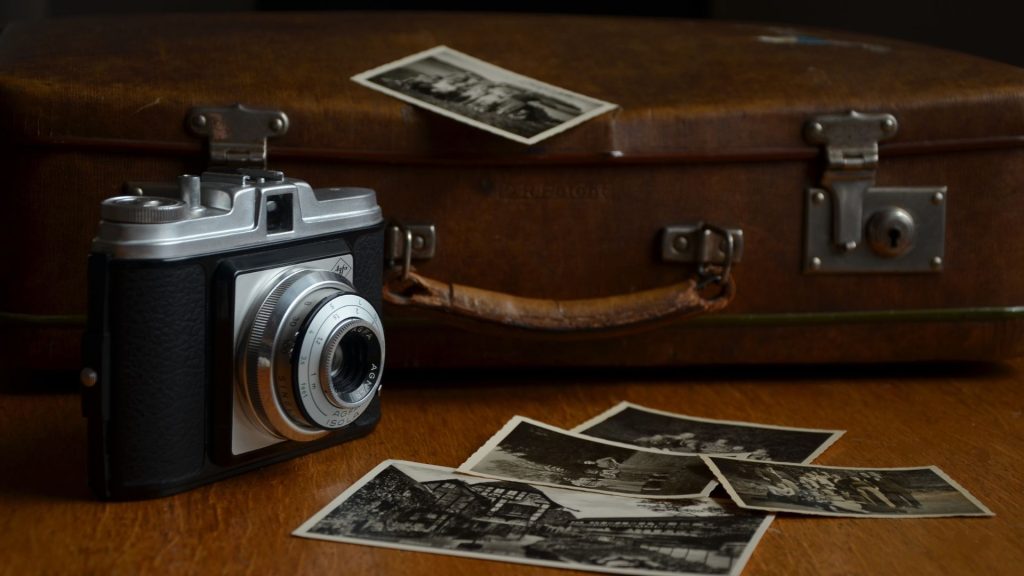
You cannot immediately check how a photograph looks after taking it. You have to think about the frame, use the available film carefully and wait until the photographs are developed. Sometimes the results are unexpected, and that is part of the experience.
In Nepal, communities such as Analog Club Nepal bring together people interested in film photography and its creative process.
For some, the appeal lies in the grain, colours and character of film photographs. For others, it is simply about slowing down and being more thoughtful about what they capture.
Small Objects, Meaningful Memories
Not every collection needs to be expensive or rare. Some people collect stamps, postcards, coins, old magazines, badges, keychains or souvenirs from places they have visited.
A concert ticket might look like an ordinary piece of paper to someone else, but to its owner, it could represent a performance they waited months to attend. An old photograph could bring back memories of a family gathering from years ago.
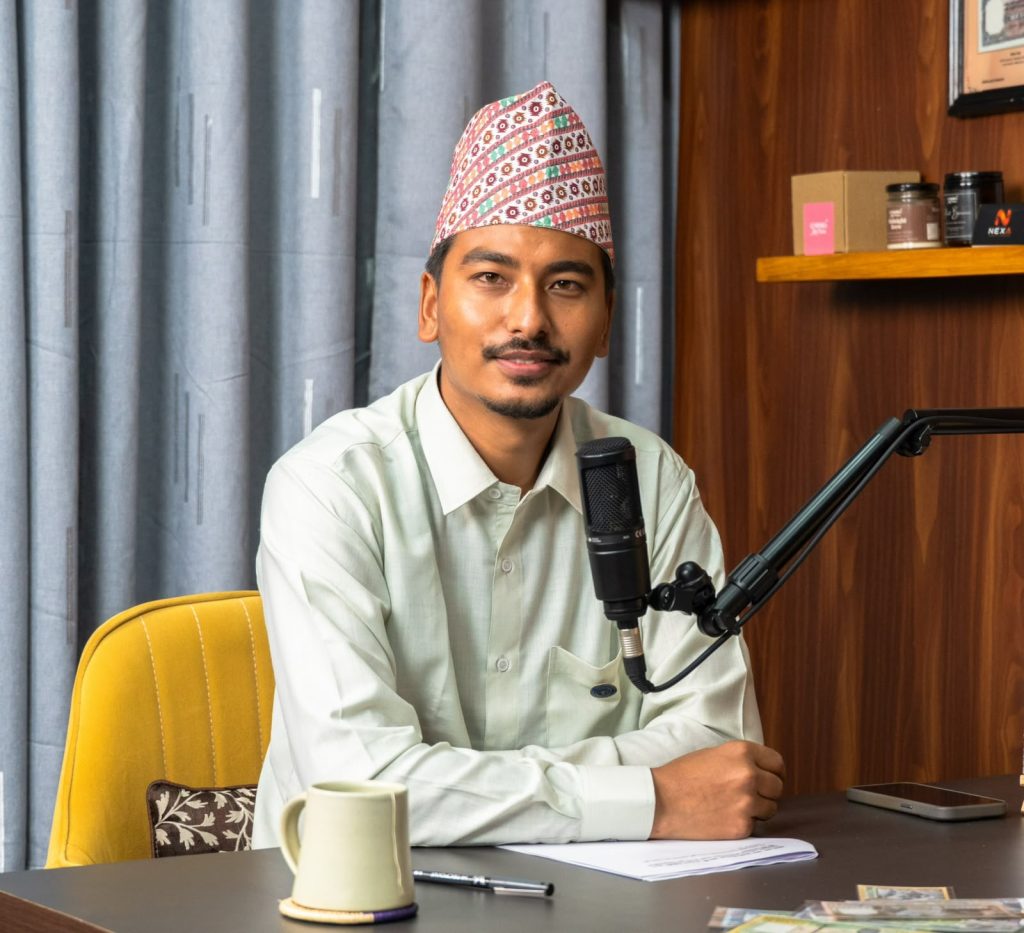
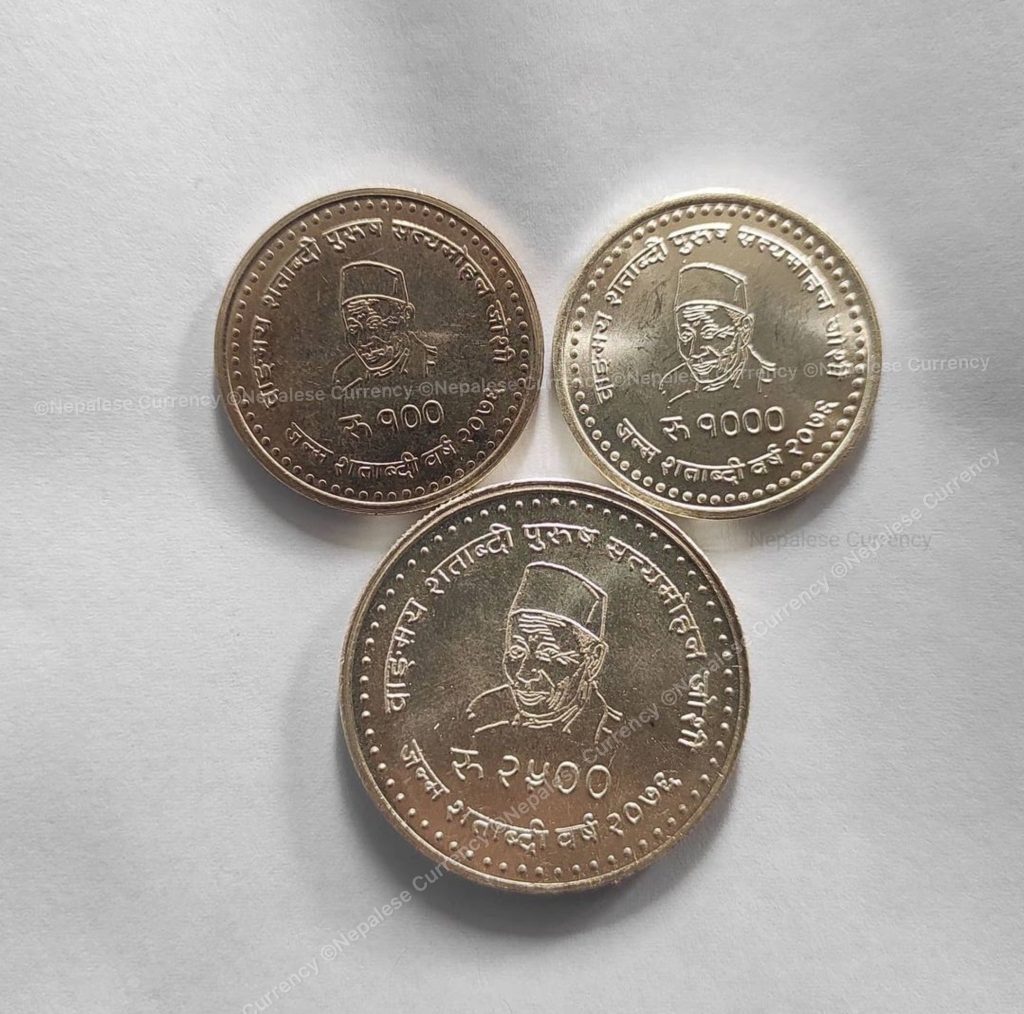
Coin collecting is another example of how ordinary objects can carry extraordinary stories. Saugat Maharjan, a UX designer and part-time content creator from Haugal, Patan, has collected more than 1,000 Nepalese coins and banknotes over the past 15 years.
His interest began in childhood when he watched his grandfather organise old Nepali coins.
Curious about their inscriptions and the kings who issued them, he gradually developed a passion for Nepal’s monetary history, particularly coins from the Lichhavi, Malla and Shah periods.
One of his favourite pieces is Nepal’s first Rs. 1,000 banknotes, issued in 2026 BS. It features the Annapurna range and a traditional Gurung house in Ghandruk. During a visit, Maharjan recognised the house depicted on the note, creating a personal connection between his collection and Nepal’s cultural heritage.
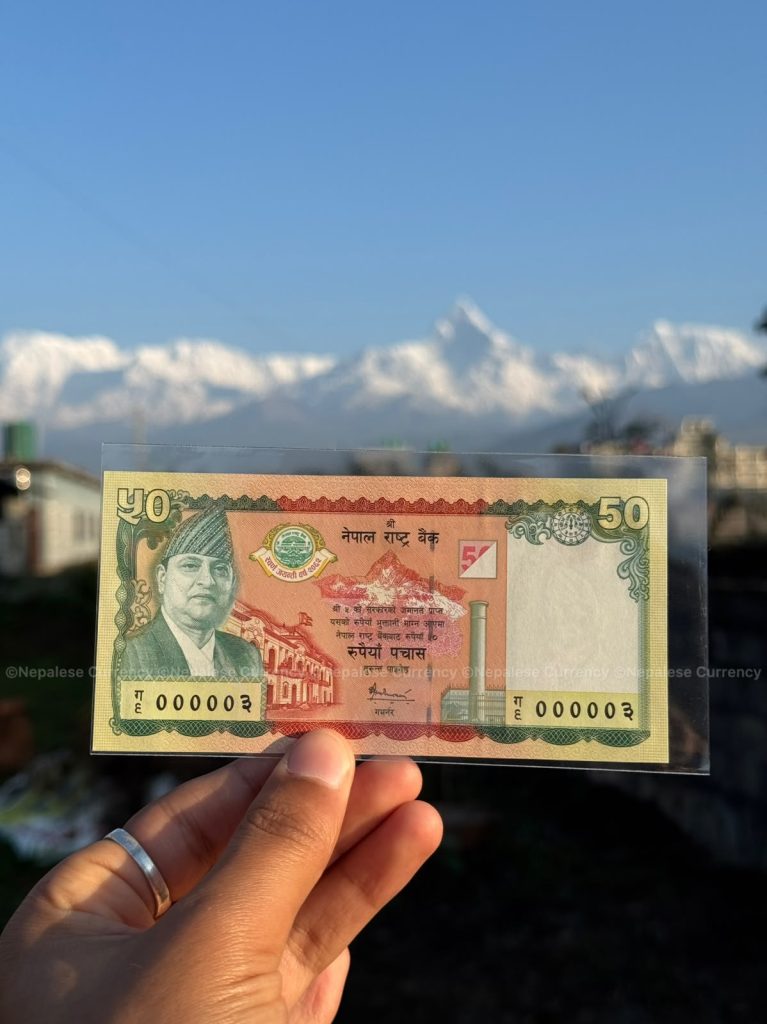
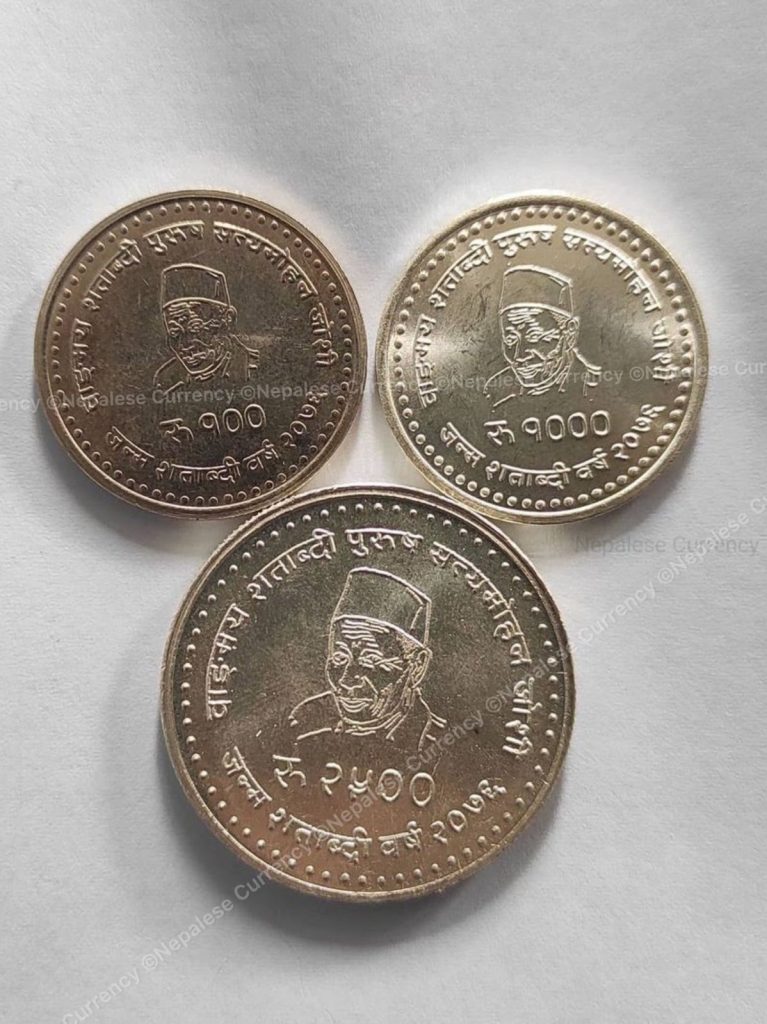
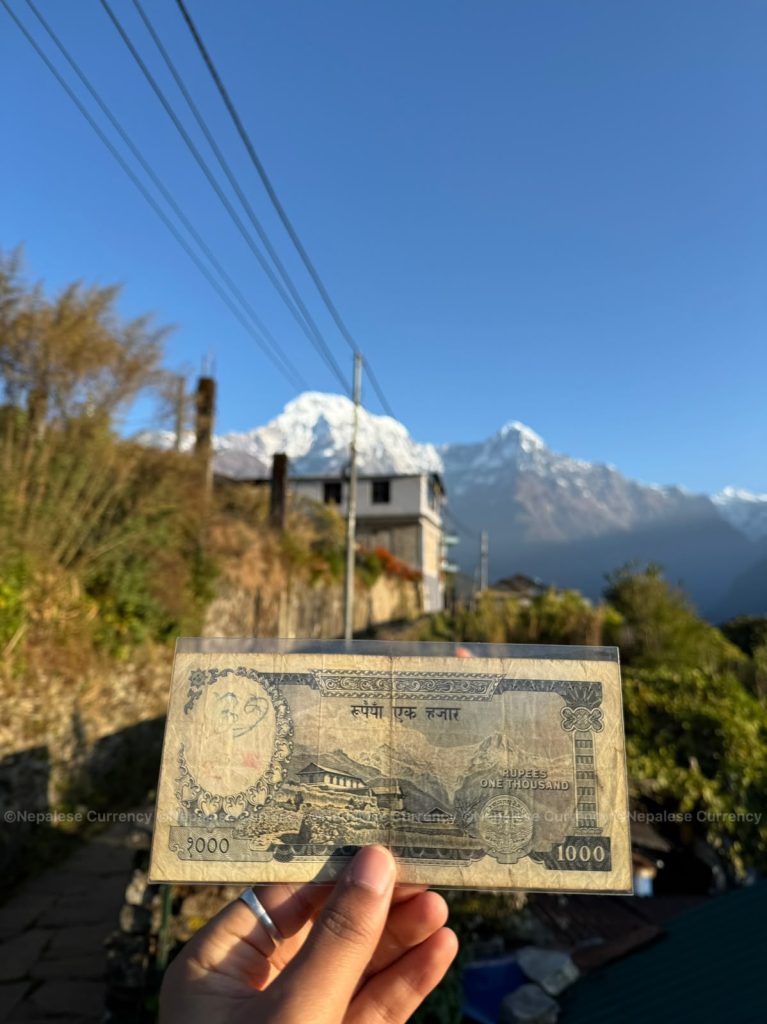
He also visits landmarks featured on Nepalese currency and photographs the notes and coins against their real-life backgrounds. For him, collecting is a way of preserving history and promoting Nepal’s culture for future generations.
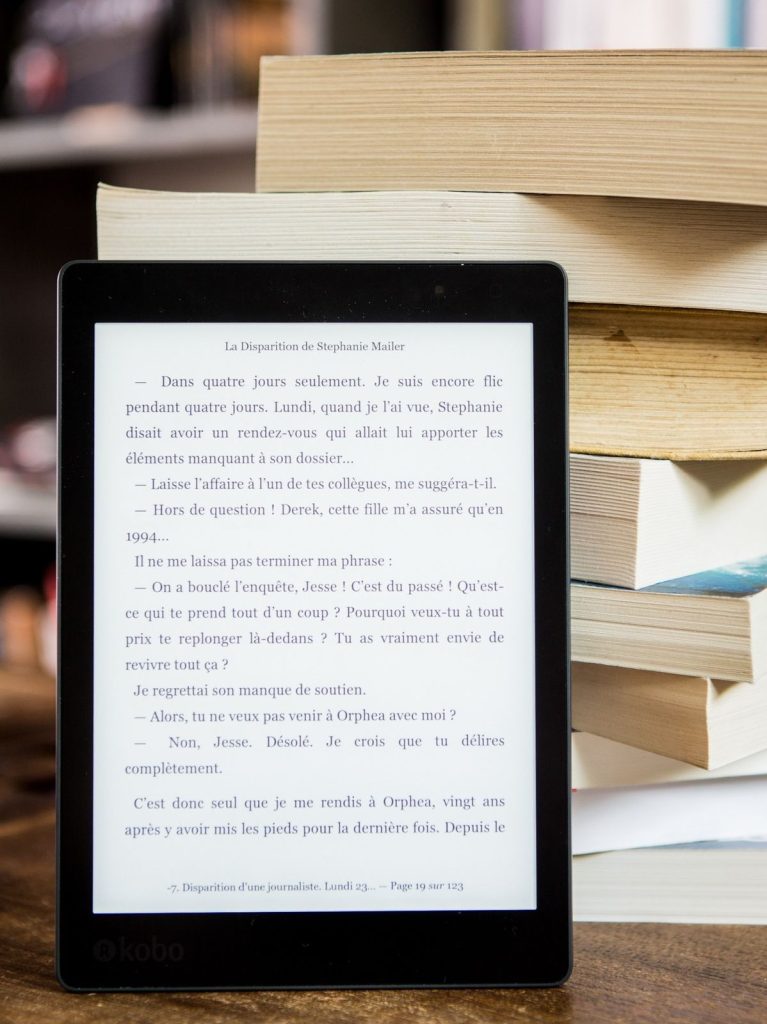
Books are another example. Despite the availability of e-books and online reading platforms, many readers continue to enjoy building personal libraries. Printed books offer an experience that goes beyond reading, from collecting favourite editions to displaying them on shelves.
These examples show that people can find meaning in almost anything they choose to preserve.
A Hobby That Brings People Together
Collecting can introduce people to communities they might not have discovered otherwise. Social media makes it easier to share collections, find rare items, exchange recommendations and connect with people who have similar interests.
Someone looking for an old camera might discover a community of film photography enthusiasts. A person collecting records might connect with other music lovers who share recommendations.
Of course, collecting has its challenges. Certain items can be difficult to find in Nepal, while imported products may be expensive. Rare pieces also require patience and sometimes proper storage and maintenance. For beginners, starting small and collecting things they genuinely enjoy can make the experience more manageable.
More Than Just Holding on to the Past
Collecting is often associated with nostalgia, but it is not always about looking backwards. Young people can discover old formats without having grown up with them. Someone who has always listened to music online might become interested in vinyl, while a smartphone photographer might pick up a film camera simply to try something different.
Perhaps that is what makes collecting interesting. It encourages curiosity, patience and appreciation for the little details that are often overlooked.
A collection does not have to be expensive, impressive or large to be meaningful. It could be a drawer full of concert tickets, a shelf of favourite books or a camera that has travelled to different places.
In a world where almost everything can be saved digitally, physical objects offer another way of remembering and experiencing life. Sometimes, the smallest things end up carrying the biggest stories.
Similar News