Yoga, Pilates or Gym: Where Should Your Fitness Journey Begin?
- Fitness
- Life Style
- Wellness
-
 Rekha Shrestha
- November 22 , 2026
Yoga, Pilates or Gym: Where Should Your Fitness Journey Begin?
Fitness looks different for everyone. Some enjoy lifting weights at the gym, while others prefer a yoga session after a long day or a Pilates class focused on controlled movement. With so many options available, choosing where to begin can feel confusing.
In Kathmandu, where work, studies and daily travel can leave little time for personal wellness, finding an activity that fits your routine matters. The best workout is not necessarily the trendiest one; it is the one you can enjoy and maintain. So, what makes yoga, Pilates and gym workouts different?
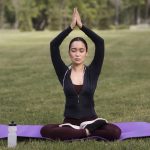
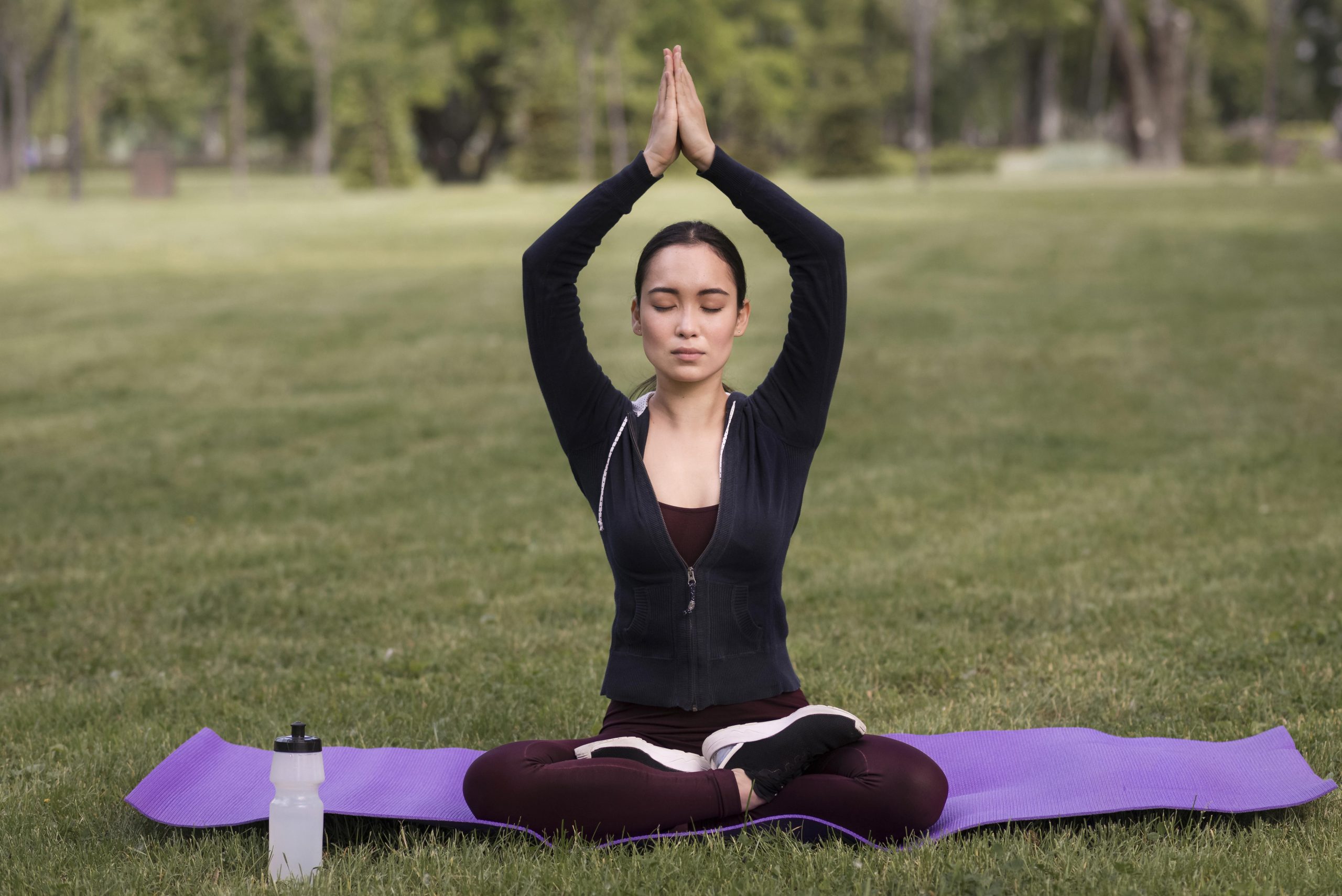
Yoga: More Than Just Stretching
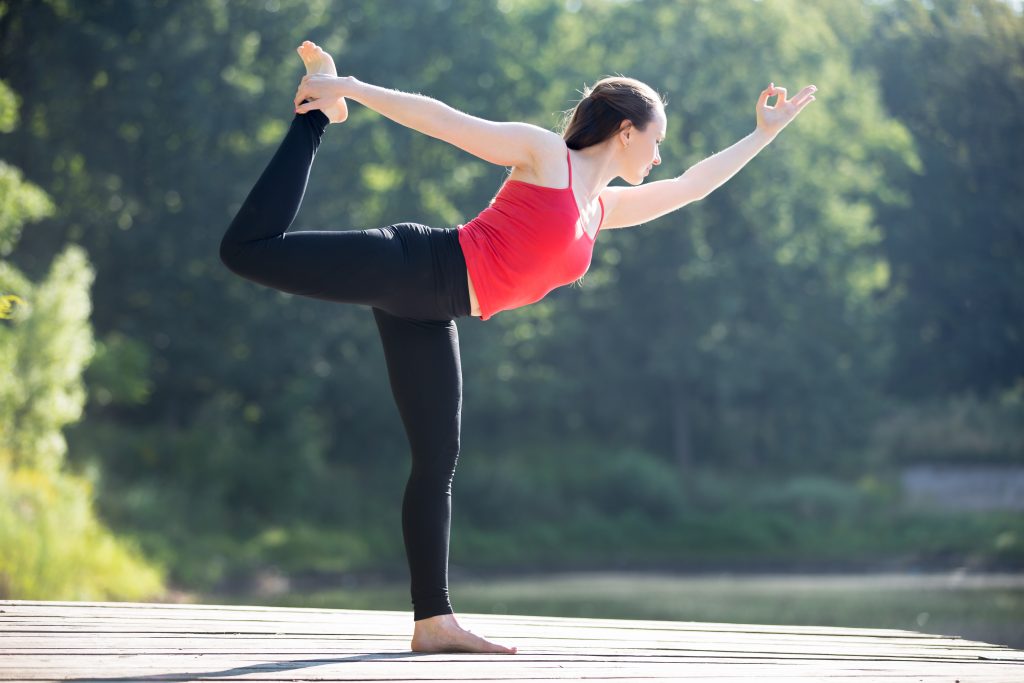
Yoga combines physical postures, breathing techniques and mindfulness. Depending on the style, a session can be gentle and restorative or more physically demanding. Regular practice can support flexibility, balance and body awareness, while offering a chance to slow down and step away from everyday distractions.
Yoga can be a practical starting point for people who spend long hours sitting or want to add mindful movement to their day. Beginners can often start at home with a mat and comfortable clothing. Those whose main goal is to build substantial muscle strength, however, may want to combine yoga with resistance training.
Pilates: Small Movements, Strong Foundations
Pilates focuses on core strength, posture, stability and controlled movement. Its exercises are usually deliberate rather than fast, encouraging concentration and proper body alignment. With regular practice, Pilates can help develop muscular endurance, coordination and body awareness.
Mat Pilates uses body weight and sometimes small equipment, while Reformer Pilates uses a specialised machine with springs and a moving platform to provide resistance. It can be a good option for people looking for a structured, low-impact workout, although beginners benefit from learning the movements with a qualified instructor.
Gym Workouts: Building Strength Beyond Appearance
A gym offers different ways to work towards fitness goals, from weight training and resistance exercises to cycling and treadmill sessions. A well-planned routine can help improve muscular strength, cardiovascular fitness and endurance.
One advantage of gym training is that resistance can gradually increase as your strength improves. Beginners do not need to start with heavy weights; learning proper technique, choosing manageable exercises and following a realistic plan are more important. Guidance from a qualified trainer can help make the experience safer and more effective.
Yoga vs Pilates vs Gym: What Is the Difference?
Each approach supports movement and physical well-being, but the emphasis is different:
| Fitness factor | Yoga | Pilates | Gym |
| Main focus | Flexibility and mindfulness | Core strength and stability | Strength and endurance |
| Movement | Poses and flowing sequences | Controlled repetitions | Resistance and cardio |
| Equipment | Usually a mat | Mat or Reformer | Weights and machines |
| Intensity | Varies by style | Varies by class | Varies by workout |
What Should You Consider Before Choosing?
Your goals: Yoga may suit you if flexibility and mindfulness are priorities. Pilates is worth exploring for core strength and movement control, while gym training offers more options for progressive resistance and muscle development.
Your schedule and budget: Think about travel time, class timings, membership fees and any equipment costs. Home-based yoga or mat Pilates may be accessible ways to begin; gym and Reformer Pilates costs vary by facility.
Your comfort level: Some people enjoy group classes, while others prefer exercising independently. If possible, try an introductory session and ask how beginners are supported.
Do You Have to Choose Just One?
Not at all. Different forms of movement can complement one another. You might combine yoga with strength training or add Pilates to a routine that already includes gym sessions. The right mix depends on your fitness level, recovery needs and available time. There is no need to do everything at once; consistency matters more than an ambitious schedule that is difficult to maintain.
Making Fitness Work in Kathmandu
For people balancing work, studies and busy city routines, convenience can make a real difference. Before joining a studio or gym, consider how close it is to home, college or work, whether the class timings suit your schedule and what the full membership cost includes. Ask whether beginner sessions or trial classes are available, and find out if instructors offer modifications and guidance on technique.
A nearby class that fits your budget may be easier to attend regularly than a facility that looks impressive but takes too much time or money to reach. Choose a setting where you feel comfortable asking questions and learning at your own pace.
Find a Routine That Fits Your Life
With new fitness trends appearing regularly, it is easy to feel pressured to follow whatever is popular. But a healthy routine does not need to look like anyone else’s. Some people find their balance through yoga, others enjoy Pilates, while many prefer the energy and structure of a gym.
Start with an activity you enjoy, give yourself time to improve and adjust as your needs change. Whether it is a yoga mat at home, a Pilates class or your first gym session, the best place to begin is the one that encourages you to keep moving.
Similar News