Beyond the Scroll: Offline Hobbies Young Nepalese Are Rediscovering
- Life Style
-
 Chetana Shrestha
- November 22 , 2026

In a world where a quick scroll can easily turn into an hour, finding time to do something away from a screen feels more and more refreshing. From reading books and filling journal pages to trying out pottery, baking and gardening, offline hobbies are giving young people a different way to spend their free time. It is not really about giving up technology. It is about finding joy in things that let them slow down, explore what they like and make something of their own.
The Need to Disconnect
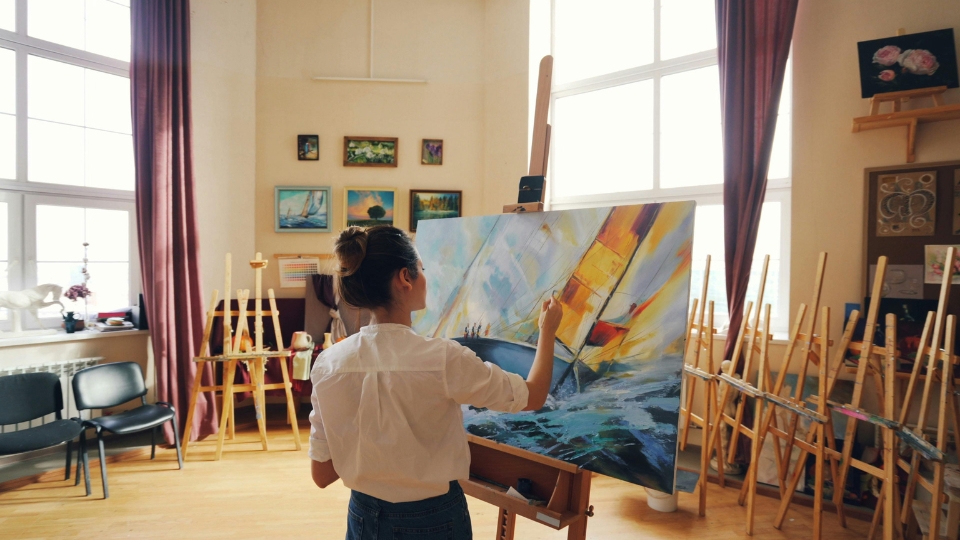
Between classes, work, social media and endless notifications, most of our daily life circles around screens. While digital platforms keep us connected and entertained, they can also leave little room for activities beyond consuming content. That is why the idea of spending time offline feels more appealing. Reading books, painting, or even gardening offers a change of pace from the usual digital routine. Sometimes, doing something without checking a notification every few minutes is an experience in itself.
Hobbies Are Having a Moment
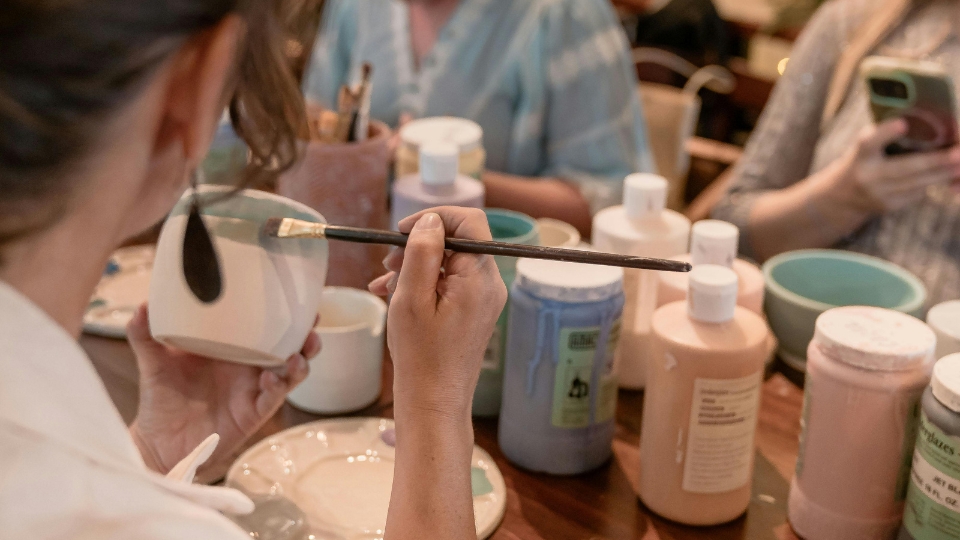
From pursuits to simple everyday things, there is no shortage of ways to explore interests outside the digital world. Reading offers a chance to get lost in a story. Journaling gives people a space to put their thoughts on paper. Painting, sketching and pottery let creativity take shape, for those who have never thought of themselves as artistic.
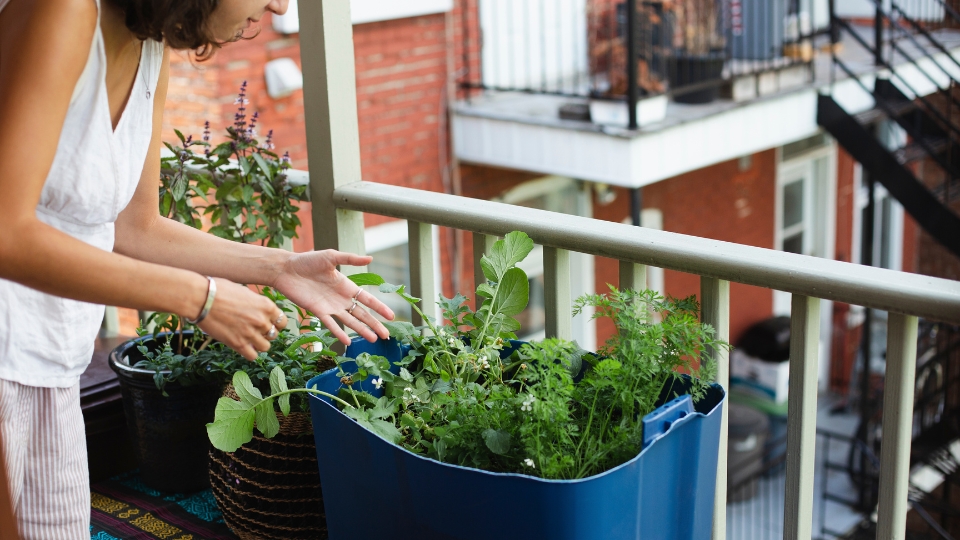
Meanwhile, baking, cooking and gardening bring their kind of satisfaction. Maybe it is trying a recipe, growing herbs on a balcony or watching a plant flourish. These things offer rewarding experiences. Photography, crochet and handmade crafts also give people chances to learn something and express themselves.
Finding Creative Communities in Nepal
The appeal of hobbies is not limited to things done alone. Across Kathmandu Valley, creative spaces and community initiatives give people chances to explore their interests alongside others. Art workshops, book discussions and hands-on creative sessions let participants learn skills while connecting with people who share similar interests.
Spaces such as Sattya Media Arts Collective and other creative studios offering painting and art workshops provide ways for people to experiment with their creativity. Reading communities and book clubs also bring together people who enjoy exchanging ideas and discussing literature. These shared experiences make hobbies more engaging, for beginners who may find it easier to start in a group.
More Than Just Passing Time
One of the things about having a hobby is that it does not always need to lead somewhere. Not every painting needs to be perfect. Not every recipe needs to become a business. Not every photograph needs to make it onto Instagram. Hobbies offer room for self-expression, curiosity and enjoyment without the pressure of achieving a result. They can also create chances to connect with others and discover interests that might otherwise stay unexplored.

Finding Your Own Offline Interest
Getting started does not have to be complicated or expensive. A notebook, a book, plant pots or basic art supplies can be enough. Trying a beginner friendly workshop or picking up an activity with a friend can also make the experience more fun. The key is to find something that feels interesting rather than turning it into another task on the to-do list.
Perhaps the real appeal of hobbies lies in their simplicity. Not every moment needs to be productive, photographed or shared online. Sometimes, it is enough to put the phone down, enjoy the process and do something simply because it makes you happy.
Similar News