Not Just Traditional: How Dhaka Fabric Is Finding Its Place in Modern Fashion
- Fashion
- Life Style
-
 Rekha Shrestha
- November 26 , 2026
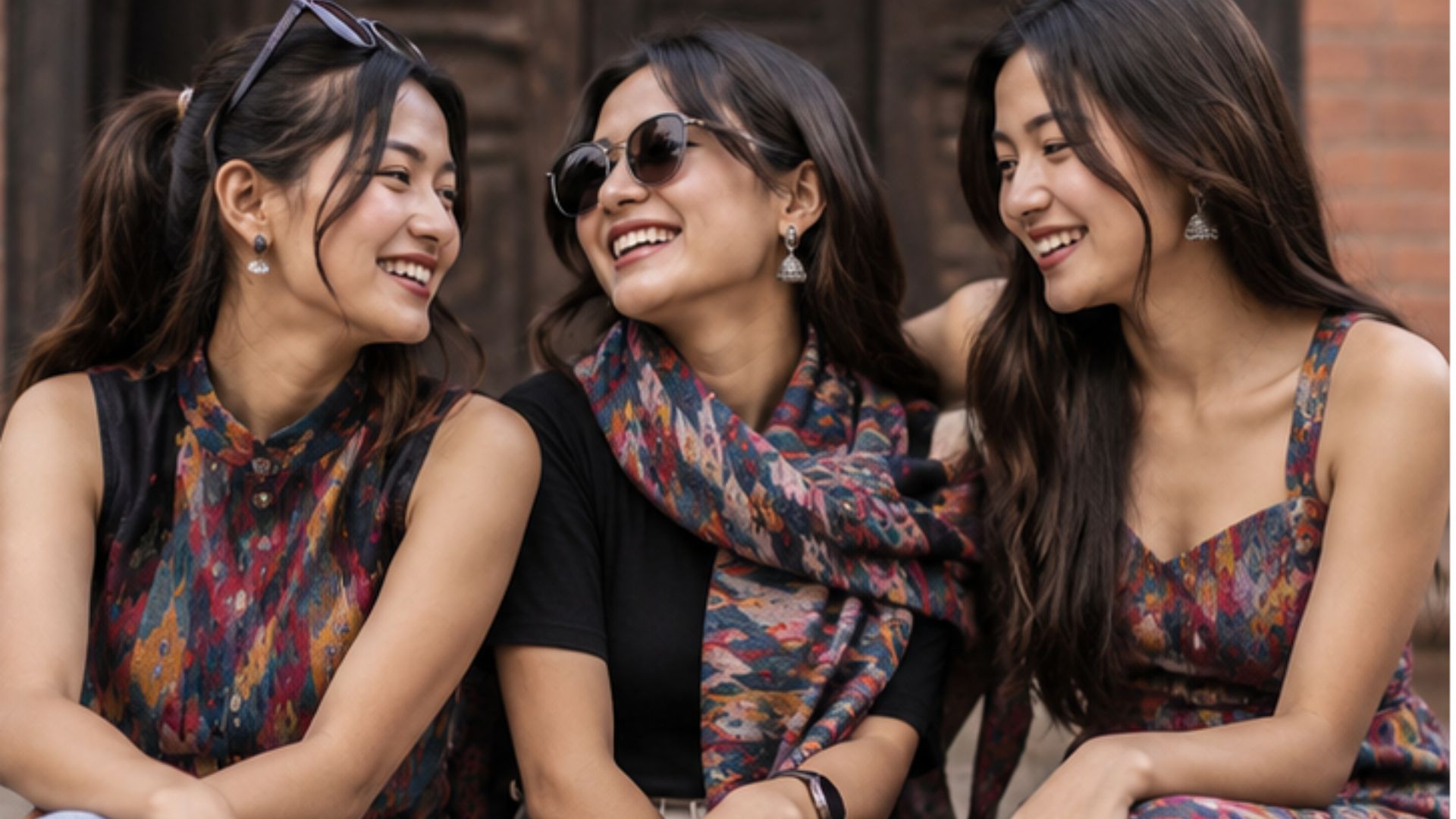
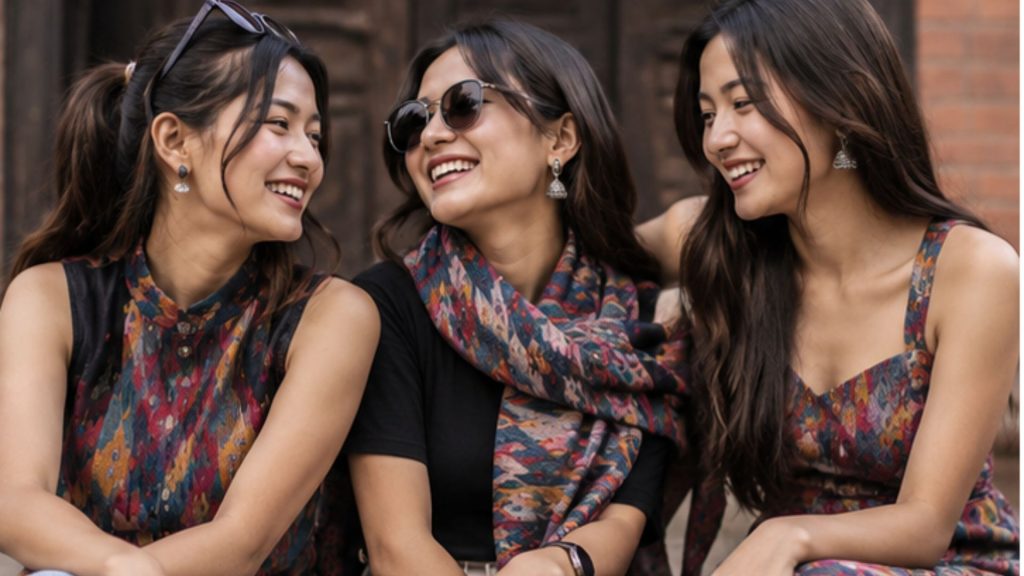
A fabric once recognised mainly through traditional Nepali attire is finding its way into modern wardrobes. Dhaka, known for its colourful geometric patterns and cultural significance, is being reimagined through contemporary clothing, accessories and everyday styling.
Traditionally used in garments such as the Dhaka topi, shawls and blouses, the textile has long been part of Nepal’s cultural identity.
However, its presence is no longer limited to festivals, ceremonies or traditional occasions.
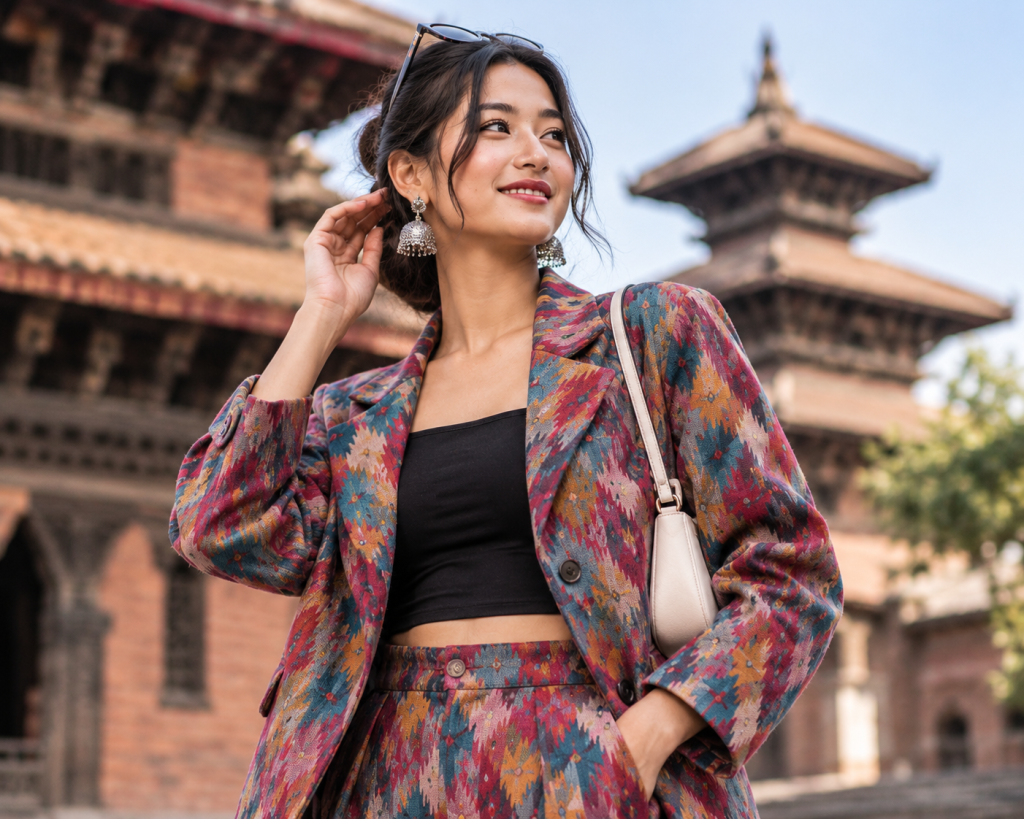
Today, Dhaka-inspired jackets, skirts, handbags, crop tops and other accessories offer new ways to incorporate the fabric into everyday fashion. Young women are increasingly able to experiment with traditional patterns while maintaining their own personal styles.
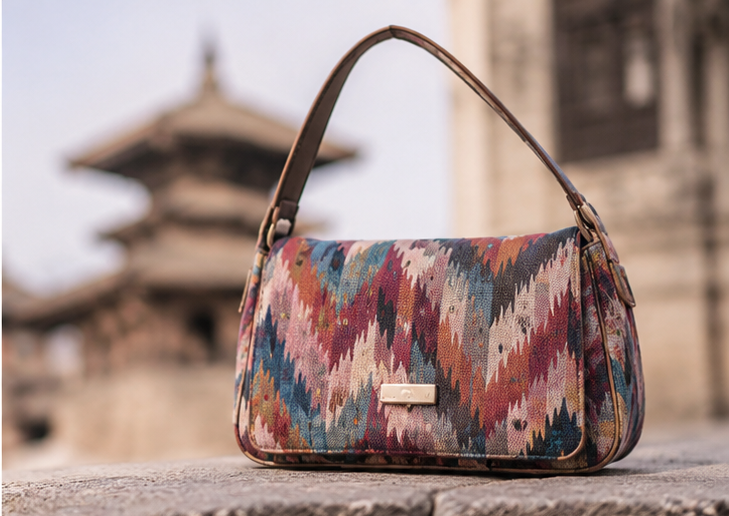
AI-generated illustrative image
When Tradition Meets Contemporary Design
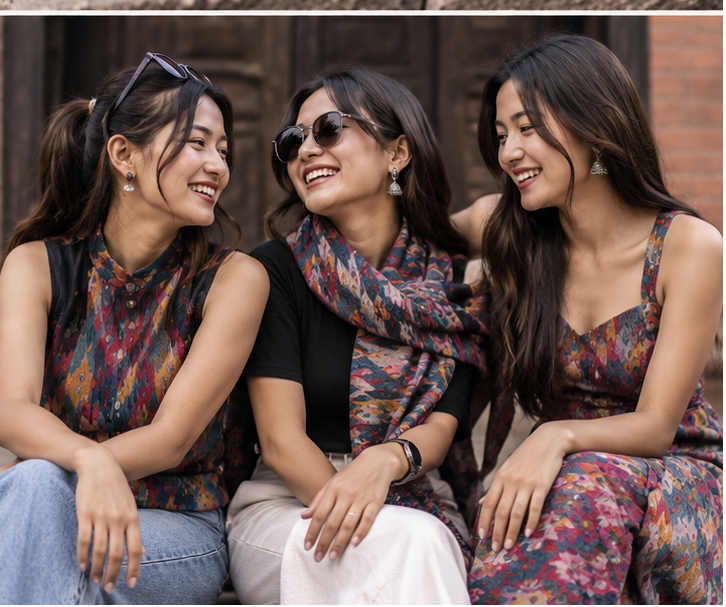
The changing approach to Dhaka is also opening creative possibilities for Nepali designers and fashion entrepreneurs. By experimenting with different cuts, silhouettes and combinations, they can give traditional textiles a contemporary appearance without losing their distinctive character.
AI-generated illustrative image
Instead of treating traditional and modern fashion as separate categories, this approach brings them together. A Dhaka jacket paired with jeans, a traditional-patterned handbag with a simple outfit or a contemporary dress featuring Dhaka details can make cultural textiles relevant to different generations.
More Than Just a Fashion Statement
The growing interest in traditional textiles also brings attention to the artisans and weaving communities behind them. Every piece represents skills and techniques that have been developed and passed down over generations.
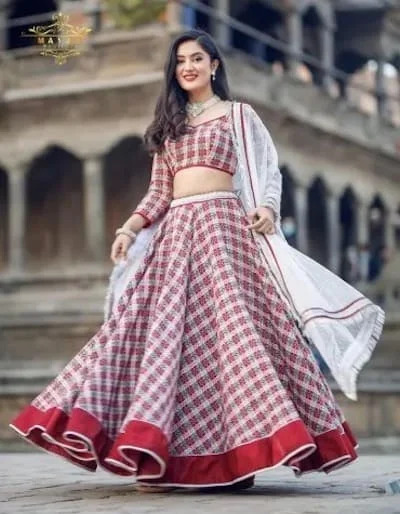
Creating demand for locally made Dhaka products can provide opportunities for traditional weavers, small businesses and emerging designers. However, preserving this heritage requires more than incorporating traditional patterns into modern clothing. Fair recognition of artisans, quality production and better market opportunities are equally important.
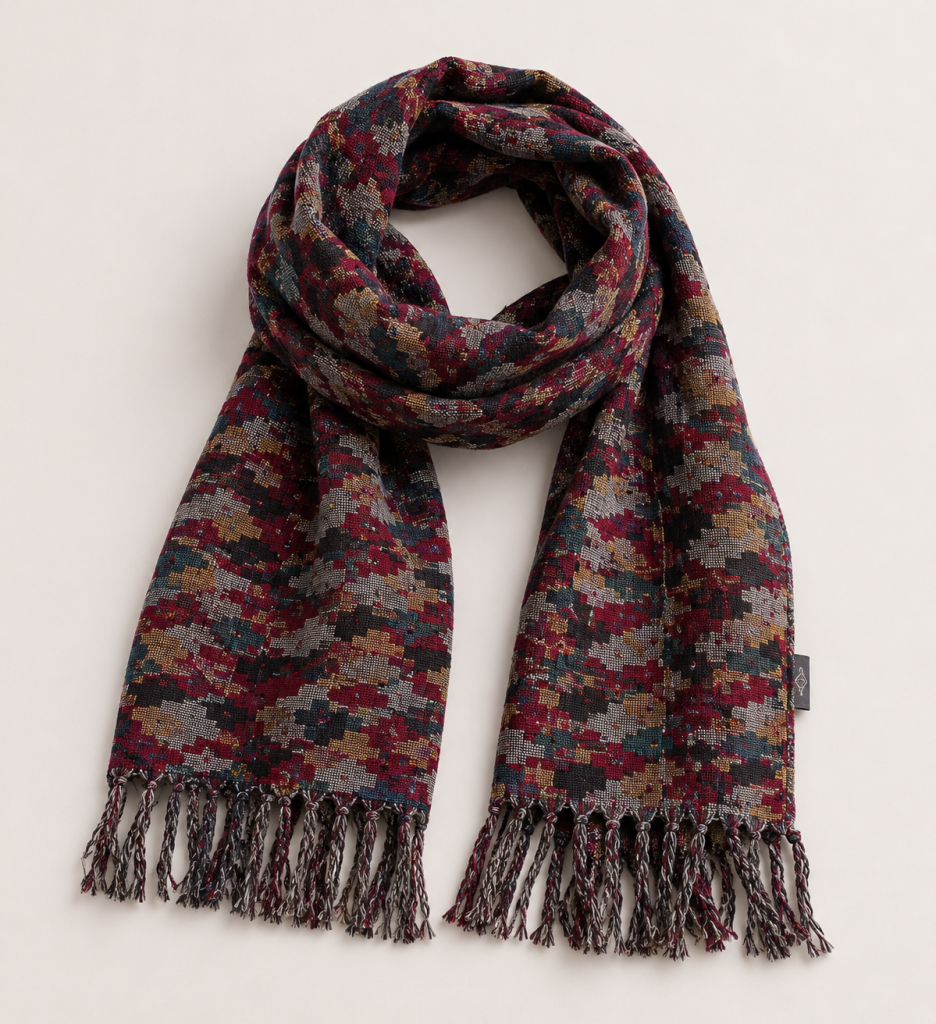
AI-generated illustrative image
Giving Heritage a New Identity
Fashion continues to evolve, but cultural influences remain an important part of how people express themselves. Dhaka does not need to lose its traditional identity to become relevant to modern fashion. Instead, it can continue to evolve through new designs, creative styling and the people who choose to wear it.
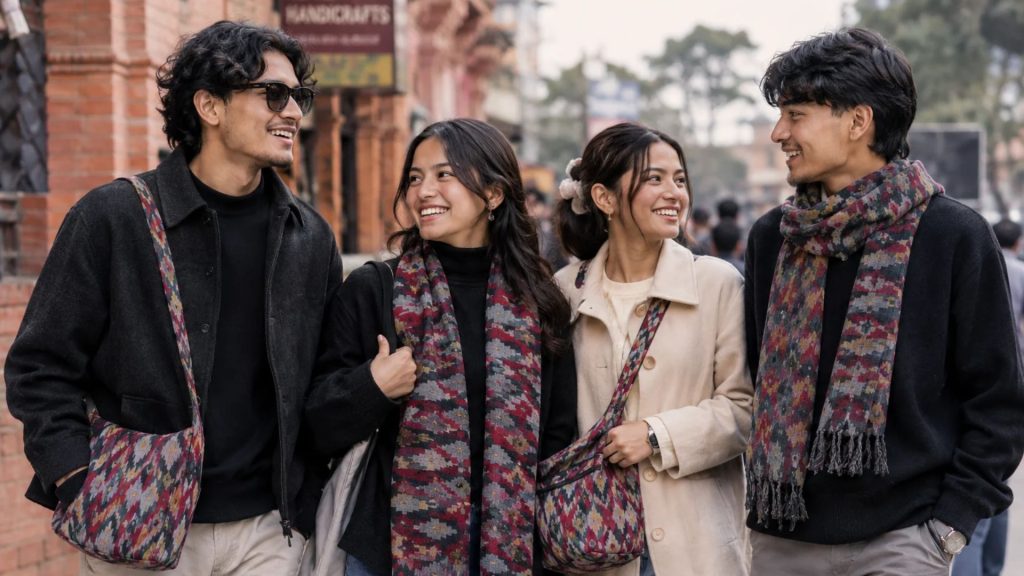
AI-generated illustrative image
Perhaps the future of Nepali fashion lies not in moving away from tradition, but in finding new ways to make it part of everyday life.
Similar News

The Art of Being Alone: Why Solo Dates Are Becoming a Lifestyle Choice
November 26 , 2026
Beyond the Screen: Why Young Nepalis Still Love Collecting Physical Things
November 24 , 2026
How Women’s Fitness Communities Are Finding Their Place in Nepal
November 23 , 2026

Yoga, Pilates or Gym: Where Should Your Fitness Journey Begin?
November 22 , 2026