Before OTT: The Nepali Films That Defined Generations
- Entertainment
- Movies
-
 Rekha Shrestha
- November 27 , 2026

Before Netflix, YouTube and streaming platforms became part of everyday entertainment, watching a movie in Nepal was an experience of its own. A visit to the cinema hall was something to look forward to, families gathered around television screens, and popular film songs often became part of everyday conversations.
For many Nepalis, classic films represent more than entertainment. They bring back memories of familiar actors, emotional storylines, memorable music and a time when watching a movie was often a shared experience. Long before digital platforms made films accessible at the touch of a screen, Nepali cinema was already creating stories that connected with audiences across generations.
From the early developments of the film industry to the commercial successes of the 1980s and 1990s, several productions helped shape Nepal’s cinematic identity. While some introduced new approaches to storytelling, others became cultural favourites through their music, performances and enduring appeal.
Maitighar (1966): A Landmark in Nepali Cinema
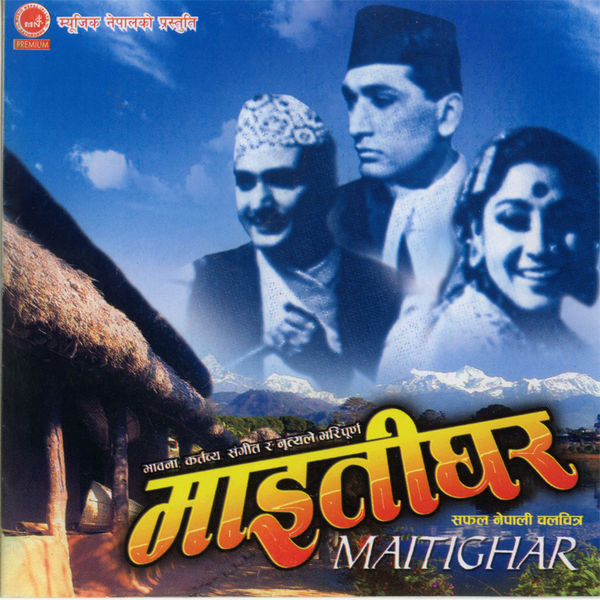
Few films hold the historical significance of Maitighar in the development of Nepal’s film industry. Directed by B.S. Thapa, it is recognised as the first Nepali film produced under a private banner. The film featured Indian actress Mala Sinha alongside C.P. Lohani, bringing together talent from Nepal and India.
Its music was another notable aspect of the production, with renowned singers including Lata Mangeshkar and Asha Bhosle contributing to its soundtrack. The songs helped give the film a distinct musical identity and added to its appeal.
At a time when Nepali filmmaking was still finding its direction, Maitighar represented an important step towards establishing a more developed private film industry. Its place in Nepali cinema history goes beyond its storyline, marking a period when local filmmaking was beginning to gain wider recognition.
Paral Ko Aago (1978): Stories Rooted in Nepali Society
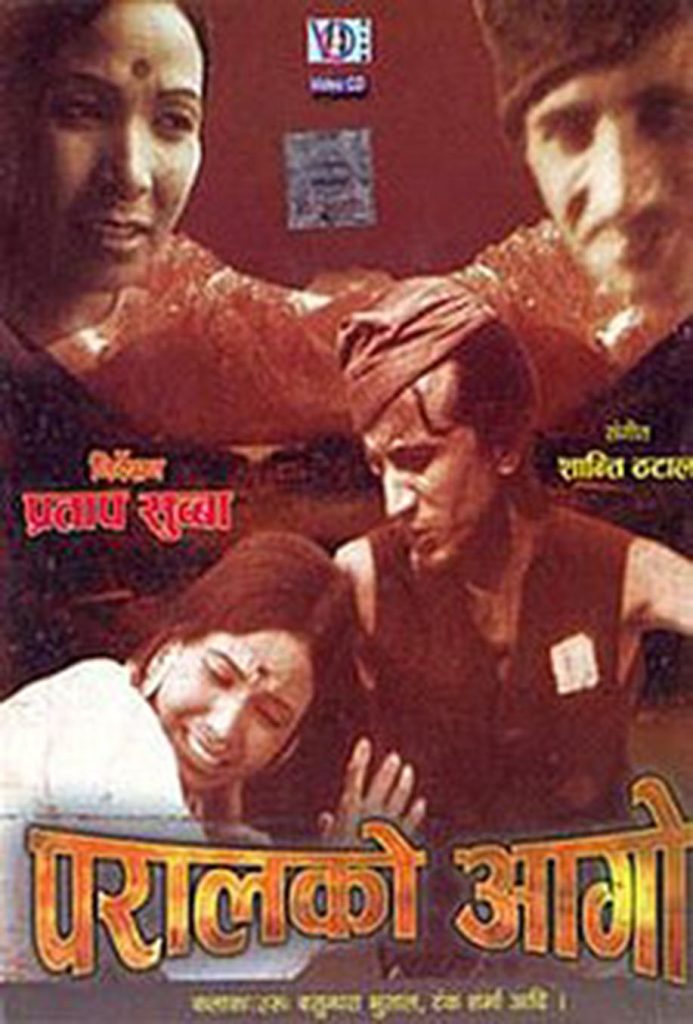
While commercial entertainment was becoming an important part of filmmaking, some productions focused on reflecting the realities of Nepali society. Paral Ko Aago, directed by Pratap Subba, remains a notable example of this approach.
Rather than relying on elaborate settings or spectacle, the film drew attention through its grounded storytelling and portrayal of human relationships and social realities. Its narrative reflected the everyday experiences and challenges that audiences could relate to.
The film also represents an important period in Nepali filmmaking when stories rooted in local experiences helped shape the identity of national cinema. Its lasting significance lies in demonstrating how films could entertain while also reflecting the society in which they were made.
Kusume Rumal (1985): The Romance That Captured Audiences
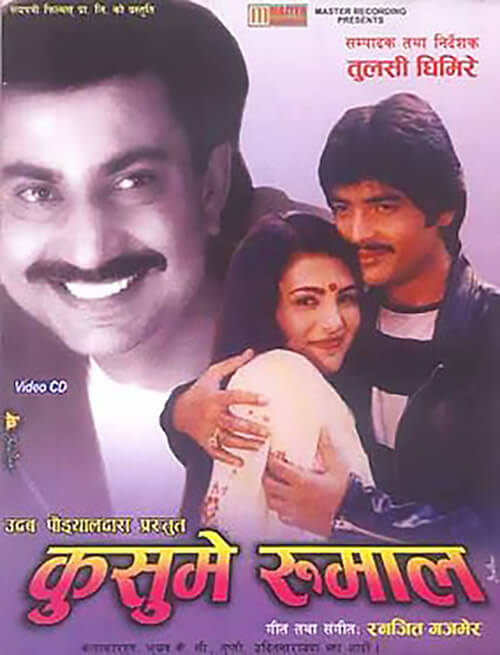
When it comes to classic Nepali romantic films, Kusume Rumal remains one of the most recognisable titles. Directed by Tulsi Ghimire, the film featured Bhuwan K.C., Tripti Nadakar, Udit Narayan and Neer Shah.
Its emotional love-triangle storyline, memorable performances and popular soundtrack helped it connect with a wide audience. The title song, in particular, became closely associated with the film and contributed to its lasting popularity.
Beyond its romantic appeal, Kusume Rumal achieved an important commercial milestone.
It became one of the biggest box-office successes in Nepali cinema and held the record as the country’s highest-grossing film until Darpan Chhaya surpassed it in 2001.
The film helped establish a lasting place for romantic dramas in mainstream Nepali cinema. Even today, its name brings back memories of an era when film songs and stories often became part of popular culture.
Chino (1991): A Favourite of Nepali Commercial Cinema
The 1990s brought another wave of popular Nepali films, and Chino, directed by Tulsi Ghimire, became one of the memorable productions of that period.
Featuring actors such as Shiva Shrestha, Bhuwan K.C. and Kristi Mainali, the film brought together familiar faces in a story shaped by emotion, relationships and drama.
Part of what made films like Chino appealing was their ability to combine different elements of mainstream entertainment. Romance, family relationships, dramatic moments and music came together to create stories that appealed to audiences with different tastes.
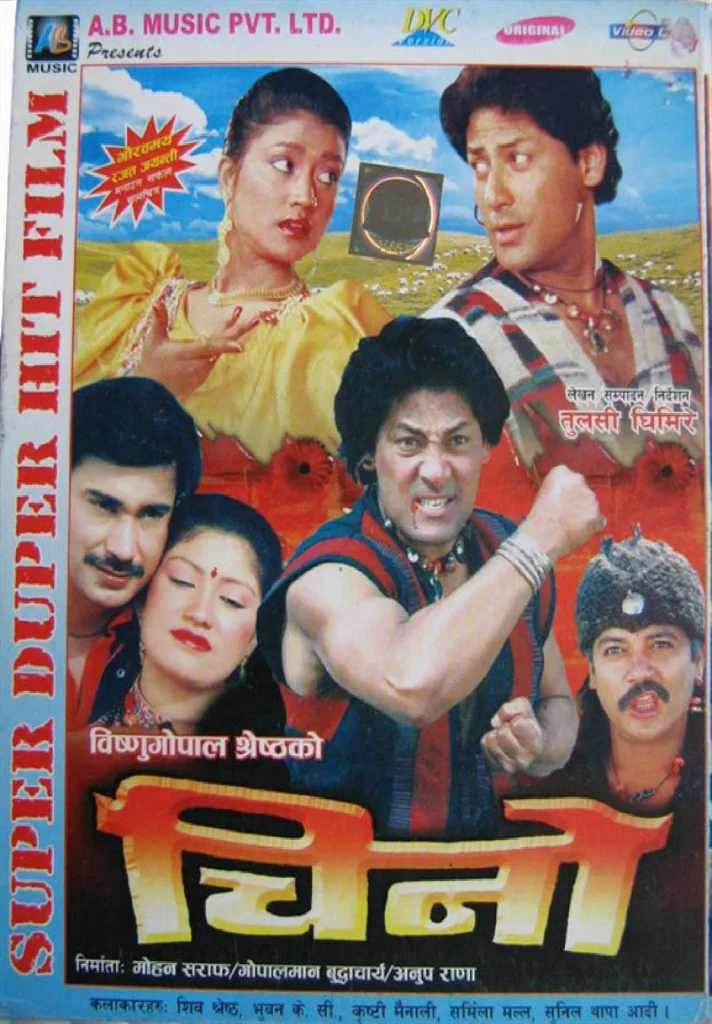
The film remains associated with a period when Nepali commercial cinema was building a strong connection with viewers. Its popularity also reflects the influence of actors and filmmakers who helped shape the industry during the 1990s.
Darpan Chhaya (2001): A Film That Defined an Era
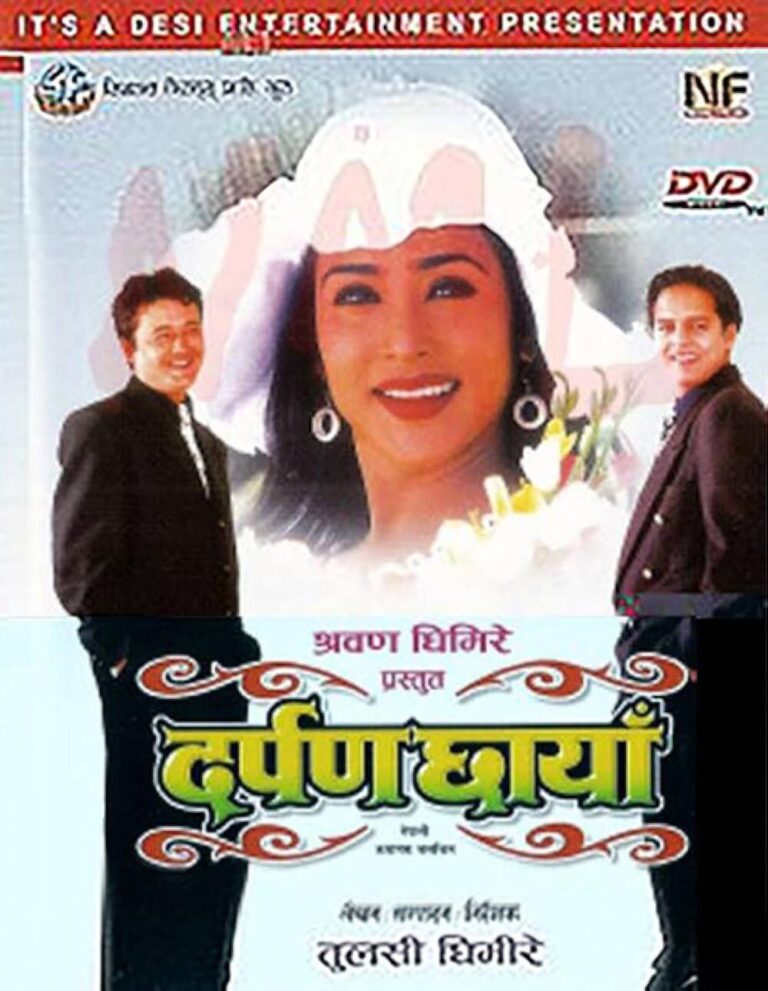
Released in 2001, Darpan Chhaya became one of the defining successes of Nepali commercial cinema. Directed by Tulsi Ghimire, the film starred Dilip Rayamajhi, Uttam Pradhan and Niruta Singh.
Its story of friendship, love and sacrifice connected with audiences, while its music became an equally important part of its popularity. The film’s songs continued to find an audience beyond the cinema halls, helping it remain familiar even years after its release.
Commercially, Darpan Chhaya achieved a major milestone by surpassing the box-office record previously held by Kusume Rumal.
Its success demonstrated the growing reach of Nepali films and the ability of local productions to attract large audiences.
For many viewers, the film represents a memorable period in Nepali entertainment, when its music, cast and emotional storyline became part of a wider cultural experience.
From Cinema Halls to Streaming Platforms
The way Nepalis watch films has changed considerably over the decades. Cinema halls once offered one of the main opportunities to experience films on a large screen, while video parlours and VCRs later allowed people to enjoy movies outside theatres. Television broadcasts and DVDs further expanded access to entertainment.
Today, streaming platforms and digital media have transformed the viewing experience. Audiences can explore Nepali and international films through their phones, laptops and televisions, often without having to wait for a scheduled broadcast or cinema release.
Social media has also changed how films reach viewers. Trailers, short clips, music videos and online discussions allow audiences to discover and engage with productions in new ways.
Yet, the shift towards digital entertainment has not erased the appeal of older films. Classic Nepali movies continue to resurface through online uploads, television broadcasts and conversations between generations. A familiar song or a memorable scene can still bring back memories of a different time.
Why Classic Nepali Films Still Matter
Nepali cinema has come a long way in terms of technology, production quality, storytelling and audience expectations. Contemporary filmmakers are experimenting with different genres and narratives, while audiences have access to a wider range of entertainment than ever before.
However, understanding the industry’s present also means recognising the films that helped shape its past. Productions such as Maitighar, Paral Ko Aago, Kusume Rumal, Chino and Darpan Chhaya represent different stages in the evolution of Nepali cinema. Each contributed in its own way to the stories, music and cinematic experiences that audiences came to value.
Looking back at these films is not simply about nostalgia. It is about recognising the creativity, performances and storytelling that helped build Nepal’s film culture.
Technology may continue to change how people discover and watch movies, but the connection audiences form with a good story remains much the same. The screens may have become smaller, and entertainment may be just a click away, but the films that shaped generations continue to hold a special place in Nepal’s cinematic history.
Similar News