Skincare Is for Men Too: Why Taking Care of Your Skin Matters
- skincare
- Life Style
-
 Chetana Shrestha
- November 27 , 2026
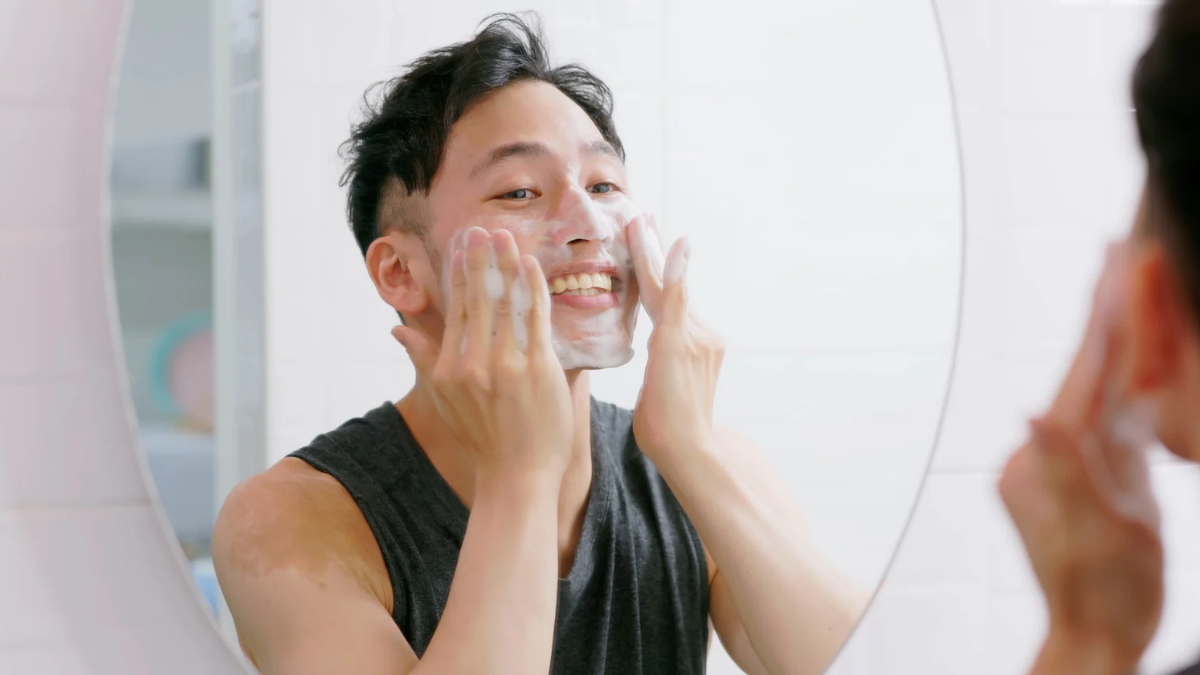
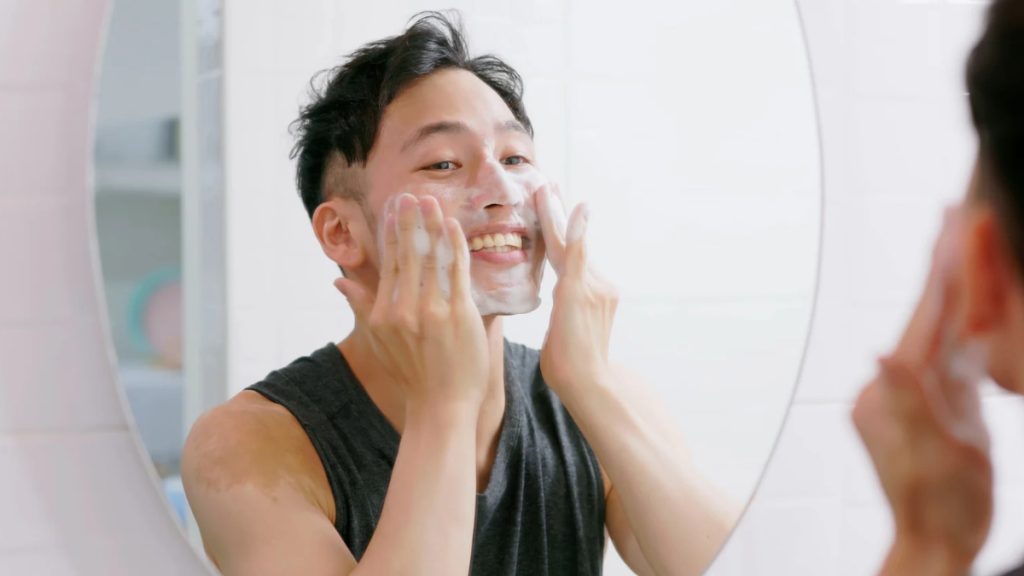
If your current routine involves washing your face with the same bar of soap or 3-in-1 body wash you use on the rest of your body and skipping sunscreen altogether you are not alone. Skincare is often associated with beauty products and elaborate routines, leading many men to treat it as an unnecessary extra rather than an essential part of personal health.
Yet healthy skin is not a gender-specific concern. Men are equally exposed to sunlight, pollution, dust, and sweat. Taking care of your skin does not mean spending hours in front of a mirror or buying expensive products; it simply means understanding what your skin needs and building a few practical habits to protect it.

Why Should Men Care About Their Skin?
Skin is the body’s largest organ, and its primary job is to act as a shield. It blocks out harmful bacteria, irritants, and environmental pollutants while locking in moisture. When this protective barrier is damaged, skin becomes dry, irritated, sensitive, and more prone to breakouts or infections.
Men’s skin also faces specific everyday stressors. Frequent shaving can trigger razor burn, ingrown hairs, and micro-cuts, while regular outdoor work or sports increase exposure to UV damage, premature aging, dark spots, and skin cancer.
A common misconception is that men do not need moisturizer or sunscreen because their skin tends to be thicker and oilier. While hormones do influence skin thickness and oil production, they do not make men immune to dehydration, sunburn, or long-term UV damage. Skincare is not about vanity it is about keeping your body’s first line of defense functioning properly and noticing unusual skin changes early.
A Simple 3-Step Routine for Men
You do not need a complicated regimen to see results. Start with three core steps in this exact order: Cleanse, Moisturize, and Protect.
- Cleanse Gently (Morning & Night) Washing your face removes the sweat, dirt, excess oil, and pollutants that build up throughout the day. Swap out harsh body soaps which strip away healthy natural oils for a gentle facial cleanser. If your skin feels greasy, look for a gel or foaming cleanser; if it feels tight or flaky, opt for a cream or hydrating cleanser.
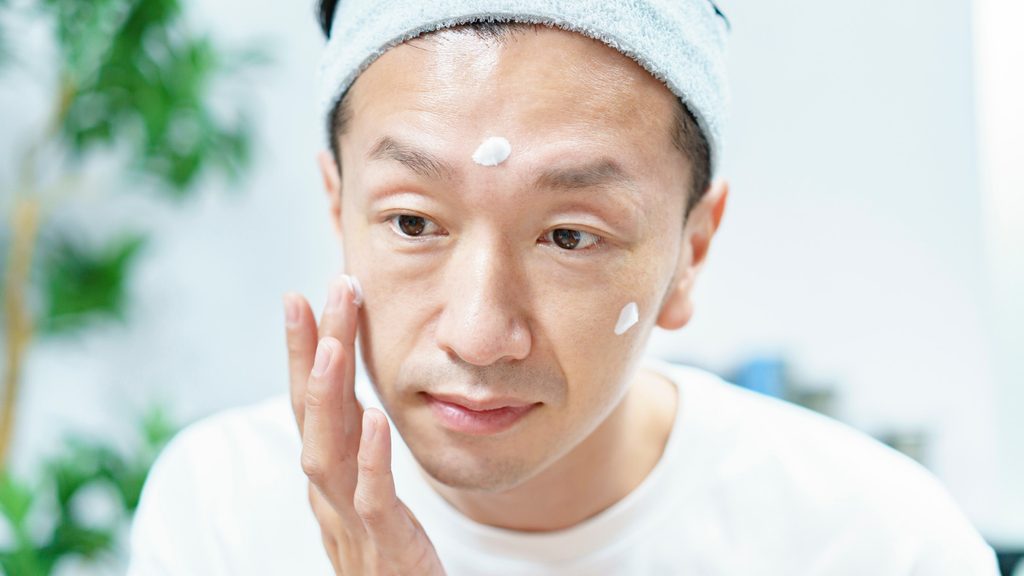
- Do Not Skip Moisturizer (Morning & Night) Moisturizer locks in hydration and repairs your skin’s protective barrier after washing. Even oily skin needs hydration when skin gets stripped dry, it often produces more oil to compensate. Choose a lightweight, oil-free gel moisturizer for oily or combination skin, or a richer lotion/cream for dry skin.
- Make Sunscreen a Daily Habit (Morning Only) Sun protection is non-negotiable regardless of gender or weather. Apply a broad-spectrum sunscreen with SPF 30 or higher as the final step of your morning routine to shield against UVA and UVB rays. If you are sweating or spending extended time outdoors, reapply every two hours.
Smart Shaving & Lifestyle Habits
Once you have the daily basics down, a few small adjustments can make a noticeable difference:
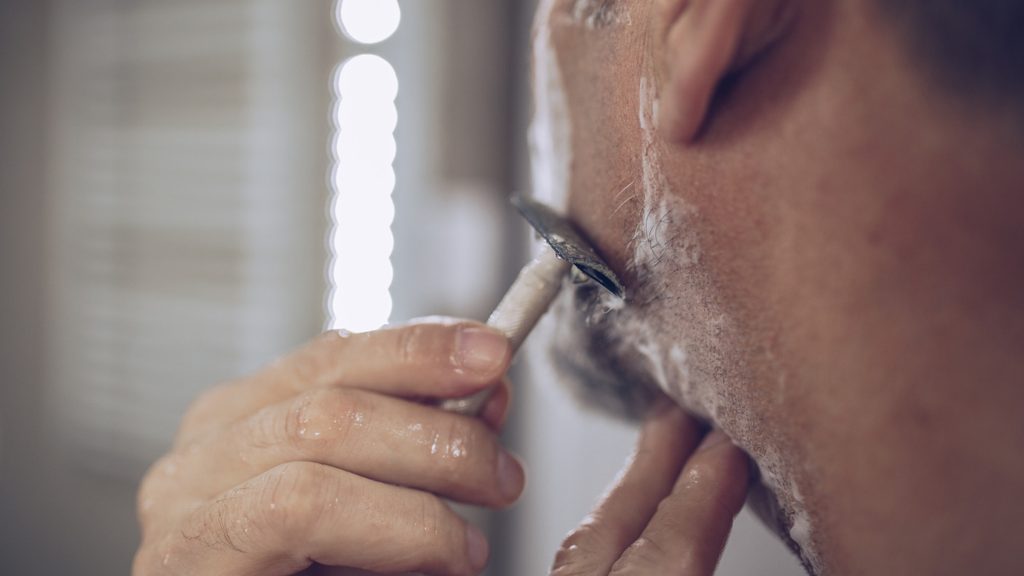
- Upgrade Your Shave: Shaving with a dull blade or on dry skin causes unnecessary friction. Soften hair with warm water first, use a proper shaving cream or gel, shave gently with the direction of hair growth, and apply a soothing, alcohol-free moisturizer afterward.
- Support Skin from the Inside: Staying hydrated, eating a balanced diet, and getting consistent sleep help your skin repair itself overnight. Avoid smoking which accelerates skin aging, slow healing, and skip harsh gritty face scrubs that can irritate your skin barrier.
Choose What Works for You
Not every product works for everyone, and you do not need items labeled “For Men” to get good results many gendered products simply add heavy fragrances that can irritate skin. Instead, choose basic, fragrance-free formulas suited to whether your skin leans oily, dry, sensitive, or combination.
Ultimately, skincare is a straightforward part of looking after your health. You do not need a shelf full of bottles just a few consistent habits. Because healthy skin is not about looking a certain way; it is about protecting the body you live in.
Similar News

The Art of Being Alone: Why Solo Dates Are Becoming a Lifestyle Choice
November 26 , 2026

Beyond the Screen: Why Young Nepalis Still Love Collecting Physical Things
November 24 , 2026
How Women’s Fitness Communities Are Finding Their Place in Nepal
November 23 , 2026