Yoga for Diabetes and Hormonal Balance
- Fitness
-
 The Buzz Nepal
 - August 10 , 2025

In a time when busy schedules, stress, and irregular eating habits are quietly disturbing the body’s natural balance, health concerns like diabetes and hormonal imbalances are becoming increasingly common. While these issues are physical in nature, they are also connected to the body’s deeper energy systems.
Yoga is the ancient science of harmonizing body, mind, and spirit, emerges as a beacon of hope: a gentle yet powerful tool to restore balance, regulate hormones, and manage blood sugar levels with grace.
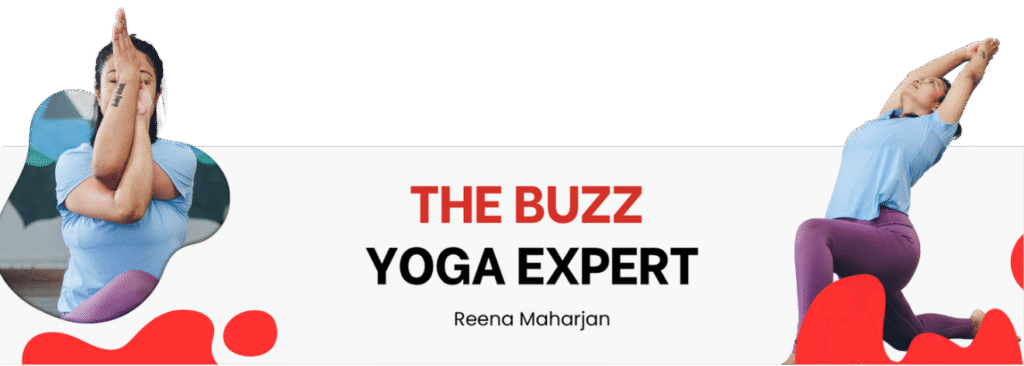
Yoga practitioner Reena Maharjan shares, “Yoga is more than just physical exercise; it is a holistic lifestyle, a sacred dance between breath and movement that activates the inner healer within us. For those struggling with diabetes or hormonal issues, consistent practice of yoga opens pathways to self-awareness, cellular rejuvenation, and emotional stability.”
Breath as a Bridge: Pranayama
One of yoga’s key tools for managing diabetes and hormonal balance is pranayama, or conscious breathing. Techniques like Anulom Vilom (alternate nostril breathing) and Bhramari (bee breath) help calm the nervous system, reduce stress hormones like cortisol, and improve oxygen flow throughout the body.

By practicing pranayama regularly, individuals may see improved insulin sensitivity, better glandular function, and an overall sense of calm. “The breath becomes a bridge that calms the mind, massages the endocrine glands, and revitalizes internal systems,” says Reena.
Awakening the Endocrine System
Hormones play a vital role in regulating mood, metabolism, and other bodily functions. Certain yoga poses are believed to stimulate endocrine glands, including the thyroid and pancreas, which are important in managing diabetes and metabolic health.

Poses such as Sarvangasana (shoulder stand), Matsyasana (fish pose), and Setu Bandhasana (bridge pose) can support these functions. For women dealing with conditions like PCOS, thyroid issues, or menstrual irregularities, gentle sequences including Bhujangasana (cobra pose), Malasana (garland pose), and Supta Baddha Konasana (reclining bound angle pose) may help encourage hormonal harmony.
The Role of Meditation
Meditation is at the heart of yoga’s healing approach. Regular meditation practice can help regulate stress responses, improve sleep, and promote emotional stability which are the factors that are important for both diabetes and hormonal balance.
Mindfulness techniques, such as observing the breath or repeating a calming mantra like “So Hum”, may also help reduce blood glucose fluctuations over time.
Lifestyle Beyond the Mat
Yoga is not limited to physical postures; it encourages a balanced, mindful way of living. Following a Sattvic (pure and balanced) diet, maintaining regular sleep patterns, and practicing gratitude are all part of this lifestyle.
“Complementary natural remedies such as turmeric, cinnamon, ashwagandha, and tulsi are often incorporated by those managing these health conditions, alongside and not in place of medical advice.” says Reena.
A Sustainable Path to Wellness
For those managing diabetes or seeking hormonal balance, yoga offers a long-term, sustainable approach rather than a quick fix. As Reena Maharjan reminds us, “Let every breath be a prayer, every pose a celebration, and every moment a chance to heal.”
About the Author
Reena Maharjan is a passionate yoga educator with over 10 years of practice and 8 years of teaching experience. She is a 500-hour certified instructor trained in Nepal and India. Also certified in prenatal/postpartum yoga and mat Pilates, she blends ancient wisdom with mindful movement.
Instagram: yogawith_reena
For more yoga tips like this, stay tuned to The Buzz Nepal, where true wellness begins with real journeys.
Also Read
K-POP Cover Concert 2025 Nepal in Kathmandu
Avani. Earth. Essence. Empowerment.
Find Yoga for Your Body with Gyanisha Shrestha
Hong Kong sees broad-based economic resilience under “One Country, Two Systems”
Similar News