Why Fyodor Dostoevsky Still Matters: 7 Books Every Reader Should Experience
- Books
-
 The Buzz Nepal
 - December 22 , 2025
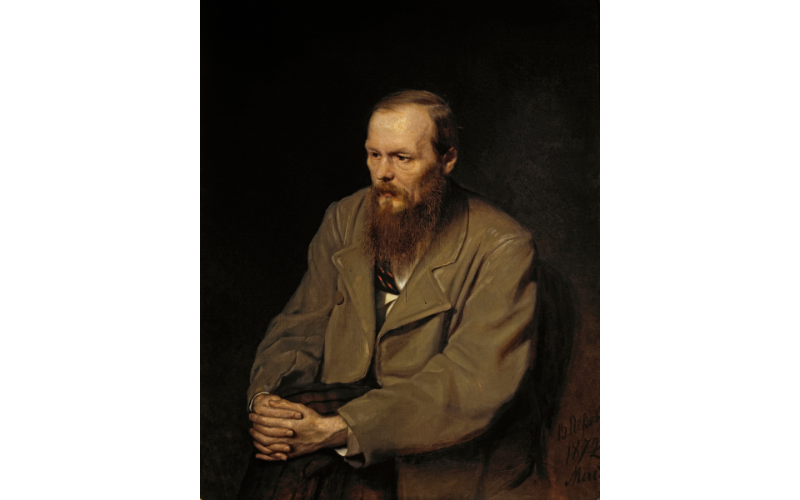
More than a century after his death, Fyodor Dostoevsky continues to shape how we understand the human mind, morality, guilt, faith, and freedom. His novels are not light reads, they are emotional, philosophical, and often unsettling but that is precisely why they remain timeless.
For readers in Nepal and beyond who are increasingly drawn to introspective literature, Dostoevsky’s works feel more relevant than ever. Here are seven essential Dostoevsky books that every serious reader should explore, whether you are new to his writing or revisiting his classics.
1. Crime and Punishment (1866)
Arguably Dostoevsky’s most famous novel, Crime and Punishment follows the troubled mind of Rodion Raskolnikov, a young man who commits murder believing he is morally justified. What follows is a gripping psychological descent into guilt, paranoia, and redemption.
Why read it:
A masterclass in psychological fiction and moral philosophy, this novel asks one enduring question: Can intellectual justification silence conscience?

2. The Brothers Karamazov (1880)
Dostoevsky’s final and most ambitious work, this novel explores faith, doubt, free will, and justice through the lives of three very different brothers. It is philosophical, emotional, and deeply human.
Why read it:
Often considered one of the greatest novels ever written, it tackles religion and morality in ways that still challenge modern readers.

3. Notes from Underground (1864)
Short but explosive, this novella introduces an unnamed narrator who openly rebels against rationality, progress, and societal norms. The book is widely regarded as a precursor to existentialist literature.
Why read it:
If you are interested in psychology, identity, and the contradictions of the human ego, this book feels strikingly modern.

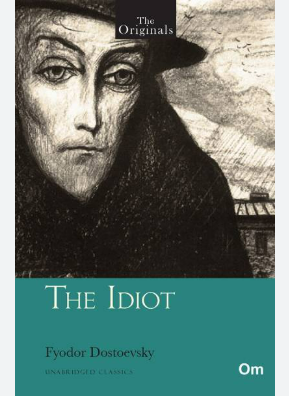
4. The Idiot (1869)
Prince Myshkin, a man defined by compassion and innocence, returns to a society driven by greed, manipulation, and pride. His goodness, rather than saving him, becomes a source of conflict.
Why read it:
Dostoevsky’s attempt to imagine what happens when pure goodness exists in a morally compromised world.
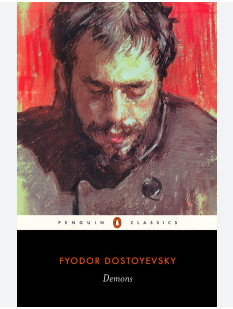
5. Demons (Also Known as The Devils) (1872)
A dark political novel examining radical ideology, chaos, and moral collapse. Though set in 19th-century Russia, its warnings about extremism feel disturbingly relevant today.
Why read it:
A powerful exploration of how ideas, when detached from morality, can destroy societies.
6. White Nights (1848)
A tender, melancholic short story about loneliness, imagination, and unfulfilled love, set in St. Petersburg.
Why read it:
Perfect for first-time readers who want a softer introduction to Dostoevsky’s emotional depth.

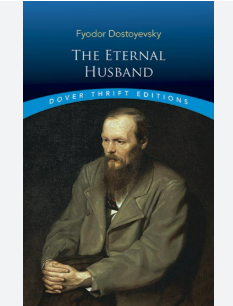
7. The Eternal Husband (1870)
A psychological drama centered on jealousy, humiliation, and obsession between two men bound by betrayal.
Why read it:
A concise yet intense exploration of toxic emotional dependence and pride.
Why Dostoevsky Resonates Today
In an age dominated by social media confidence, performative success, and curated happiness, Dostoevsky reminds us of something uncomfortable yet honest: human beings are contradictory, fragile, and morally conflicted.
His characters struggle with guilt, faith, loneliness, ego, and redemption: themes that resonate deeply with modern readers navigating uncertainty, identity, and meaning.
Where to Start
- New readers: Crime and Punishment or White Nights
- Philosophy lovers: Notes from Underground or The Brothers Karamazov
- Political thinkers: Demons
Also Read
New Music Alert: “Bhool” by SWAR Drops with Lyrical Video
Easy Christmas Sweet Recipe for Nepali Households
The Dunning-Kruger Effect: Why Social Media Makes Everyone Feel Like an Expert
Protein Myths in Nepal: How Much Do You Really Need?
“Hey Sailaa” Music Video Released: A Soulful, Cinematic Offering from Abhaya & The Steam Engines
Similar News