Why Cultural Festivals Are Becoming The New Form Of Tourism
- Life Style
- Travel
-
 The Buzz Nepal
 - May 31 , 2026
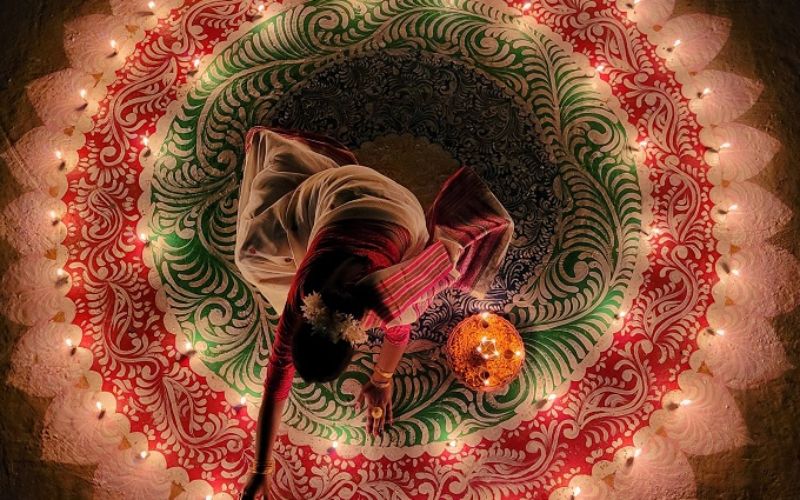
For a long time,travelwas defined by destinations.
People visited cities for famous landmarks, historic buildings, beaches, museums, or bucket-list attractions. The goal was often to see a place, take photographs, and move on to the next stop.
Increasingly, however,travelersare planning trips around something else entirely: experiences.
Across the world, culturalfestivalsare becoming major reasons to travel. From music gatherings in the deserts of North America to art biennales in Europe, spiritual festivals in Asia, and heritage celebrations across Africa and Latin America, travelers are no longer just asking where they should go. They are asking what is happening there.
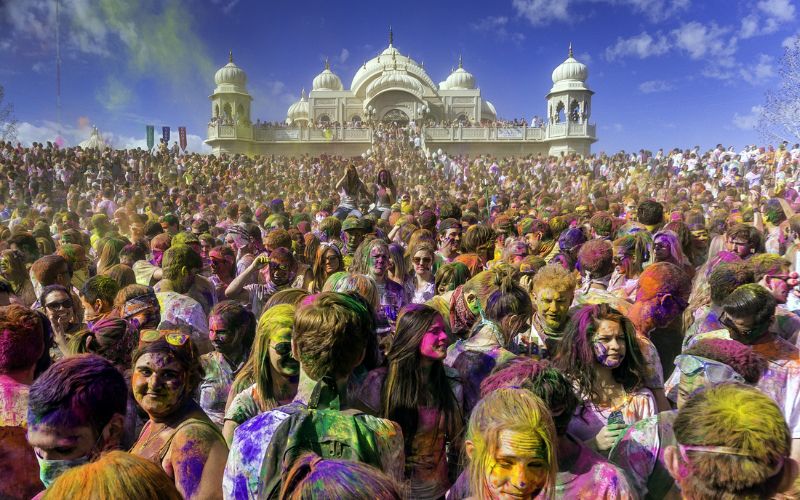
The shift reflects a broader change in how people think about travel.
In an era where almost every landmark can be viewed online before arrival, many travelers are seeking something less predictable and more immersive. A festival offers exactly that. It transforms a destination from a backdrop into an experience. Streets change rhythm. Public spaces fill with performances. Communities become active participants rather than attractions being observed from a distance.
Travel industry reports increasingly point toward experience-driven tourism as one of the defining trends shaping global travel. Many travelers now build entire itineraries around cultural calendars rather than geographic locations.
Part of the appeal lies in the temporary nature of festivals. Unlike monuments or museums that remain year-round, festivals create moments that feel unique to a specific place and time. Missing them often means waiting another year—or longer.
This has turned major cultural events into global magnets.
Events such as the Venice Biennale, Rio Carnival, Edinburgh Fringe, Tomorrowland, Art Basel, and countless regional festivals attract visitors from across continents. Some destinations have even begun positioning festivals as central parts of their tourism strategy, recognizing their ability to generate international attention and economic activity.
Music festivals, in particular, have evolved beyond concerts. Many now function as destination experiences, combining travel, wellness, art installations, food culture, local exploration, and community-building into a single event. The location itself has become as important as the lineup.
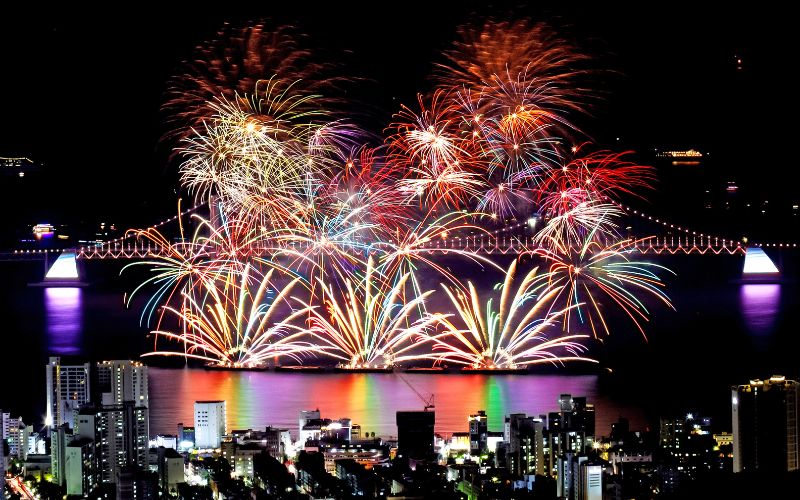
Social media has also accelerated the trend.
Festivals create highly visual environments that encourage sharing, but their appeal extends beyond aesthetics. Many attendees describe them as opportunities for connection. In a time when much of life happens through screens, festivals offer large-scale collective experiences that feel increasingly rare.
This is especially evident among younger travelers. Rather than collecting destinations, many are collecting memories tied to specific moments. A trip becomes less about checking a city off a list and more about participating in something meaningful while there.
The growing popularity of cultural tourism is also reshaping perceptions of culture itself. Festivals are no longer viewed only as entertainment. They have becomeplatformsfor preserving heritage, supporting artists, showcasing local identity, and introducing visitors to traditions they might not otherwise encounter.
Whether it is a centuries-old religious celebration, an experimental art exhibition, or a contemporary music gathering, the attraction often comes from the same desire: to experience a place while it feels fully alive.
Perhaps that is why cultural festivals continue to grow in importance.
People still travel to see the world.
They are simply becoming more interested in experiencing it.
Also Read
How Music Changes the Way We Remember
From Thrift Stores To Flea Markets: Young Nepal’s Fashion Shift in 2026
Why Everyone’s Suddenly Obsessed With Digital Cameras Again in 2026
Similar News