From Scraps to Purpose: How HattiHatti Is Rewriting the Story of Nepal’s Textile Waste, The Buzz Nepal July 2026 Feature
- Local Brands
-
 The Buzz Nepal
 - July 7 , 2026

In a country where fast fashion moves fast and discarded fabric moves faster, HattiHatti NPO is doing something quietly radical: turning what the industry throws away into something worth wearing.
A Business Born from Belief
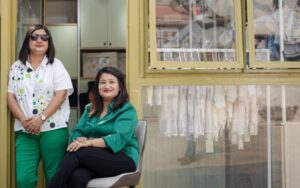
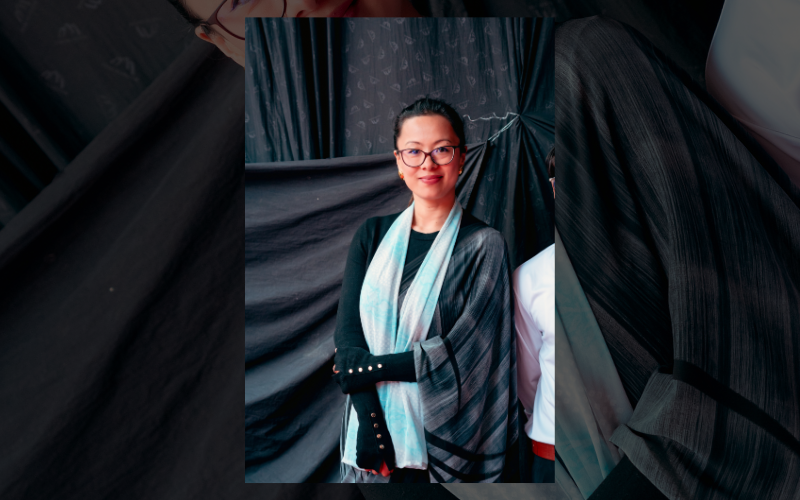
Founded on the belief that sustainability and profitability are not opposing forces, HattiHatti, managed by Ms. Sajana Jirel as co-founder, operates at the intersection of circular fashion and women’s empowerment. What began as a social initiative evolved into a fully realized business model. The turning point, as the founder recalls, came around 2017, when customers stopped buying out of sympathy and started buying because they simply loved what they were getting. That shift changed everything.
The Life of a Sari
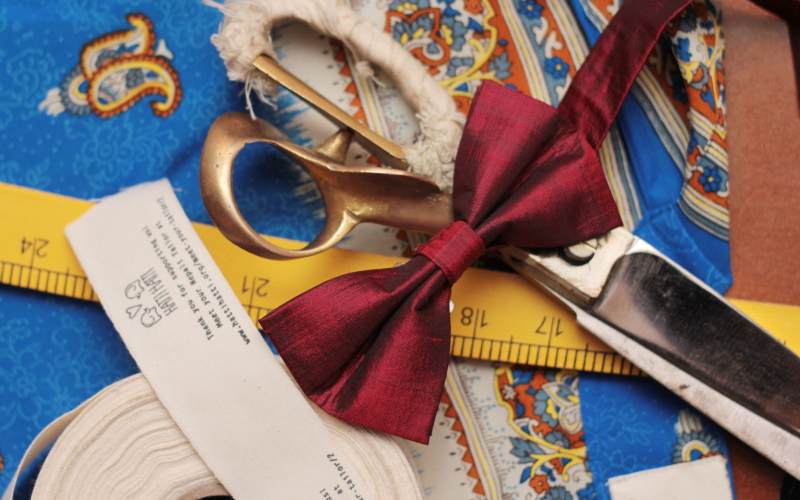
At its core, HattiHatti’s work begins with a donated sari. Each piece is collected, sorted, cleaned, and assessed before entering a design process shaped entirely by its individual character: its colors, texture, and the particular way light moves through the weave. Women artisans then cut and stitch each item by hand, transforming material that might have ended up in a landfill into tote bags, pouches, home décor, and wearable pieces. No two products are identical. That is not a limitation. It is the point.
Changing Minds, One Product at a Time
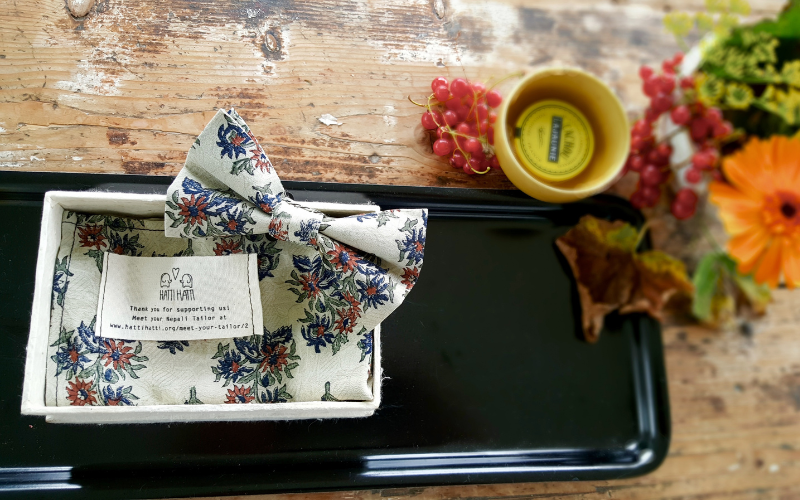
Building consumer trust in a market still warming up to upcycled fashion has required patience and deliberate storytelling. Early on, recycled products carried an unfair stigma, associated with lower quality or, as the founder puts it plainly, “associated with the dead.” HattiHatti pushed back through consistent craftsmanship, honest narratives about the production process, and products that could hold their own on aesthetic merit alone. The goal was never to ask customers to make a sacrifice for sustainability. It was to show them they were getting something better.
The Women Behind the Thread
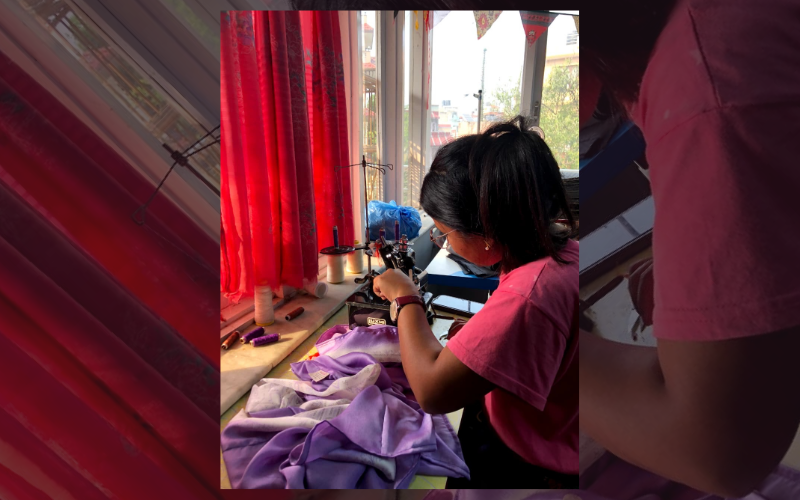
But the work at HattiHatti has never been only about the product. Behind every finished piece is a woman who came in uncertain of her worth and left with something harder to measure than a paycheck. The founder speaks of one particular artisan, hesitant, quiet, unsure even of her own name at first, who gradually grew into someone financially independent and visibly confident, someone who began to see herself not as a beneficiary but as a creator. Stories like hers have become the organization’s compass, a constant reminder that every stitch carries a larger purpose.
What Comes Next
Looking ahead, HattiHatti’s vision extends well beyond Kathmandu. The organization is working toward a decentralized production model, one where women across different regions can earn income within their own communities, feeding into a wider network of sustainable manufacturing. Export opportunities, retail partnerships, and stronger e-commerce presence are all part of the roadmap. The challenges are real: capital access, production scale, and the inherent complexity of building a supply chain around material that is, by nature, inconsistent. But the founder frames each obstacle as an invitation to build something more resilient.
Five years from now, HattiHatti hopes to be recognized not only for its impact, but for what that impact proves: that a discarded sari and an overlooked woman can, given the right conditions, become something extraordinary.
Instagram: @hattihatti_npo
Also Read
What Makes Up Shridhika: World of Art, Beauty and Identity, The Buzz Nepal July 2026 Feature
Mercure Kathmandu Introduces ‘Rooftop Escape Brunch’ With Unlimited BBQ and Pool Access, July 2026
7 Incredible Ways Yoga Can Completely Transform Your Everyday Life