A Realistic Guide to Holistic Wellness: How to Actually Take Care of Yourself
- Life Style
- Wellness
-
 The Buzz Nepal
 - June 9 , 2026
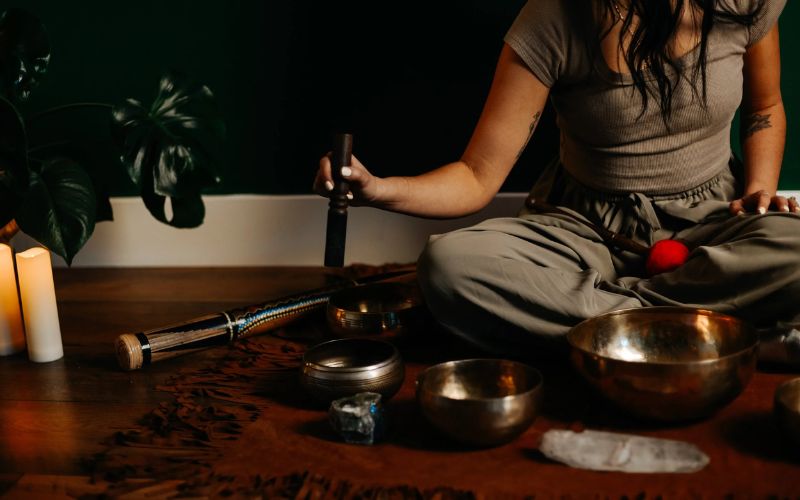
We live in an age of information overload — where every scroll brings a new supplement to try, a new routine to follow, a newversionof yourself to become. Holistic wellness has never been more talked about, and yet for many people, it has never felt more overwhelming.
The truth is, holistic wellness is not about doing everything perfectly. It is about paying attention — to your body, your mind, your relationships, and the rhythms of your daily life. It is less a destination and more a practice. Here is what that actually looks like.
Start With Sleep — Everything Else Follows
Before the morning routine, before the green juice, before the meditation app — there is sleep. It is the foundation on which every other aspect ofwellnessrests, and it is the one most consistently sacrificed in the name of productivity.
Adults need between seven and nine hours of quality sleep each night. Not just hours in bed, but actual restorative sleep. That means a consistent bedtime, a dark and cool room, and — as uncomfortable as it sounds — screens off at least thirty minutes before you sleep. The blue light emitted by phones and laptops suppresses melatonin production, signaling to your brain that it is still daytime. No wellness routine in the world can compensate for chronic sleep deprivation.

Move Your Body — But Make It Something You Actually Enjoy
Exercise does not have to mean a gym membership or a six-day training split. What research consistently shows is that the best form of movement is the one you will actually do. A daily walk, adanceclass, swimming, yoga, cycling through the city — all of it counts.
The goal is to move for at least thirty minutes most days, but more importantly, to stop thinking of movement as punishment and start treating it as care. Your body was built to move. Let it.

Eat With Intention, Not Anxiety
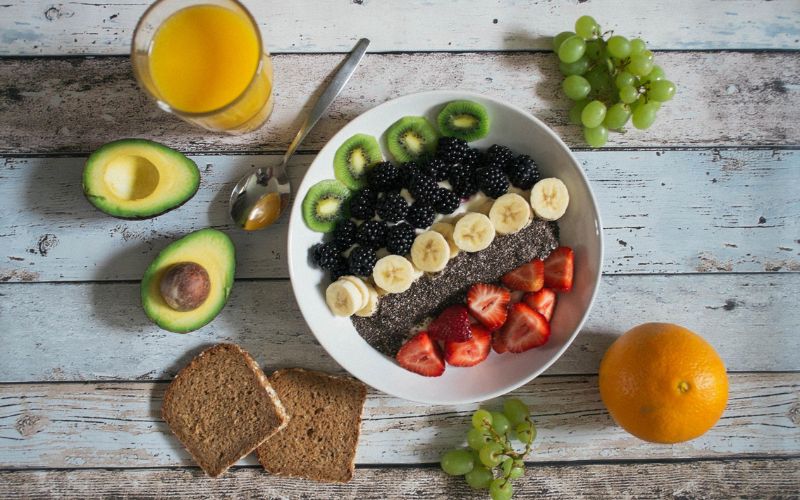
Nutrition has become one of the most anxiety-inducing subjects in wellness — which is deeply counterproductive. Good nutrition does not require elimination diets, calorie tracking, or a cupboard full of expensive supplements.
The basics are deceptively simple: eat mostly whole foods, prioritize vegetables, legumes, and lean proteins, stay hydrated, and eat mindfully — meaning slowly, without your phone, actually tasting your food. Cooking at home when you can, reducing ultra-processed food, and not skippingmealswill take you further than any trending diet ever will.
And eat the meal you enjoy with the people you love sometimes. That is wellness too.
Protect Your Mental Space
Physical wellness without mental wellness is an incomplete equation. Stress is not just a feeling — it is a physiological state that affects immunity, digestion, sleep, and cardiovascular health. Managing it is not optional.
This does not have to mean formal meditation, though even five minutes of intentional breathing each day has measurable benefits. It can also mean journaling, therapy, time in nature, digital boundaries, or simply protecting pockets of your day for silence and stillness. In a world that constantly demands your attention, choosing not to give it is an act of radical self-care.

Tend to Your Relationships
Loneliness is one of the most significant and underacknowledged health risks of modern life. Research has consistently linked strong social connections to longer life, better immunity, and lower rates of depression and anxiety.
Holistic wellness means investing in the people around you — not just networking, but genuinely showing up for friendships, family relationships, and community. A conversation over tea, a phone call to someone you have been meaning to reach out to, a shared meal — these are not soft lifestyle choices. They are medicine.

Rest Is Not the Reward for Productivity — It Is Part of the Work
Perhaps the most radical shift in thinking that holistic wellness requires is this: rest is not laziness. It is a biological necessity. The idea that we must earn rest through exhaustion is one of the most damaging myths in modern culture.
Build rest into your day intentionally. Take your lunch break. Step outside for ten minutes in the afternoon. Do something that has no purpose other than enjoyment — read a book, tend a plant, sit in the sun. Your nervous system needs recovery just as much as your muscles do.

The Simplest Definition of Wellness
Holistic wellness is not a product or a program. It is the ongoing, imperfect, deeply personal practice of treating yourself as someone worth taking care of — in body, mind, and spirit.
You do not have to overhaul your entire life to start. You just have to begin, one small, genuine act of care at a time.
Also Read
Nepal Is Having a Tourism Moment — And the Numbers Prove It, June 2026
Mango Mania: Four Dishes Worth the Hype | Buzz Picks June 2026
Similar News