Earth Day 2026: A Planet at a Crossroads
- Life Style
-
 The Buzz Nepal
 - April 22 , 2026
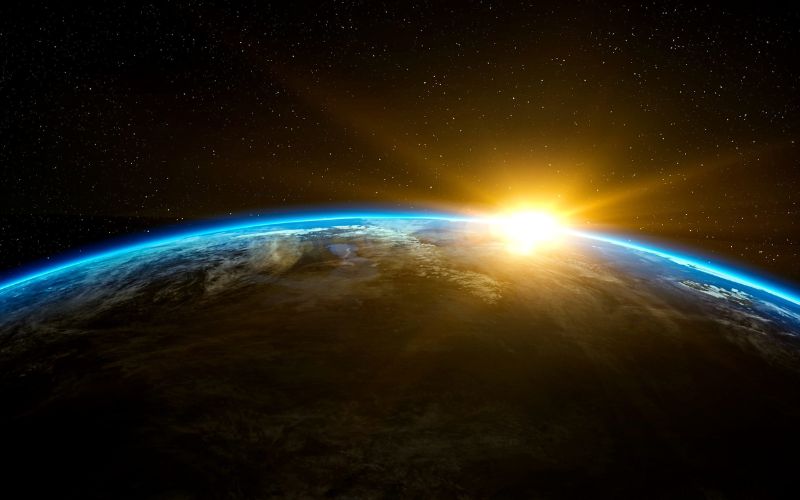
Earth Dayis celebrated every year on April 22, when billions of people across the globe pause to reflect on the state of our planet. Now in its 56th year, it is more than a symbolic gesture, it is a call to action rooted in science, urgency, and an enduring belief that human choices can still determine the fate of the natural world.
How It All Began
The story of Earth Day begins in 1970, against a backdrop of smog-choked cities, rivers catching fire from industrial pollution, and a growing public awareness that the environment could no longer be taken for granted. U.S. Senator Gaylord Nelson, inspired by the devastation of a massive oil spill off the coast of Santa Barbara, California, proposed a national day of education and activism focused on the environment. On April 22, 1970, approximately 20 million Americans took to the streets, parks, and college campuses in what became one of the largest civic demonstrations in American history.
That single day led directly to the creation of the U.S. Environmental Protection Agency and the passage of landmark legislation including the Clean Air Act, the Clean Water Act, and the Endangered Species Act. Earth Day wentglobalin 1990, mobilizing 200 million people in 141 countries, and has since grown into the largest secular observance in the world.
The State of Our Planet Today
More than five decades after that first Earth Day, the challenges facing our planet are more complex, and more urgent than ever.
Climate Change remains the defining environmental crisis of our time. Global average temperatures have risen by approximately 1.3°C above pre-industrial levels, bringing with it more frequent and intense heatwaves, droughts, wildfires, and flooding. The last decade was the hottest on record. Arctic sea ice continues to decline, and glaciers from the Himalayas to the Andes are retreating at alarming rates, threatening the freshwater supply of hundreds of millions of people.
Biodiversity Loss is accelerating at a rate not seen since the mass extinction that wiped out the dinosaurs.Scientistsestimate that around one million plant and animal species face extinction due to habitat destruction, pollution, invasive species, and climate change. Coral reefs, often called the rainforests of the sea, have experienced widespread bleaching events, with some regions losing more than half their coral cover.
Plastic Pollution has reached every corner of the Earth. Microplastics have been found in the deepest ocean trenches, in Arctic snow, in rainwater, and even in human blood. Over 380 million metric tons of plastic are produced every year, yet only a fraction is ever recycled.
Deforestation continues to strip the planet of its lungs. Tropical forests, which store vast amounts of carbon and shelter an extraordinary diversity of life, are cleared at the rate of millions of hectares each year, largely for agriculture and cattle ranching.
Reasons for Hope
Yet the picture is not entirely bleak. Around the world, individuals, communities, and governments are fighting back with creativity, determination, and a growing sense of collective responsibility.
Renewable energy has undergone a revolution. Solar and wind power are now among the cheapest sources of electricity ever produced, and their share of the global energy mix is growing rapidly. Electric vehicles are becoming mainstream. Nations and corporations are setting net-zero emissions targets, and forests are being replanted on a massive scale in countries from Ethiopia to Ecuador.
Innovations in cleantechnology, sustainableagriculture, and circular economy models are demonstrating that prosperity does not have to come at the planet’s expense.
What Earth Day Means in 2026
This year’s Earth Day theme: “Our Power, Our Planet”, emphasizes the collective strength that comes from renewable energy and united human action. It is a reminder that the same ingenuity that created the problems we face can be turned toward solving them.
But Earth Day is not just for governments and corporations. It belongs to every person who plants a tree, reduces their plastic use, chooses public transport, votes for climate-conscious leaders, or simply takes a child outside to marvel at the natural world. Small actions, multiplied by billions of people, add up to something immense.
A Letter to the Earth
If the planet could speak, it might not scold us. It might simply ask us to remember; remember the astonishing improbability of life, the intricate web of relationships that makes existence possible, the debt we owe to every living thing that came before us and every generation that will come after.
Earth Day is that moment of remembering. It is a day to grieve what has been lost, to celebrate what remains, and to recommit to the hard, necessary, and ultimately hopeful work of healing our only home.
The Earth does not need saving from itself. It needs saving from our indifference.
Also Read
Kathmandu Is Definitely Heating Up: Here’s How to Actually Enjoy It, April 2026
Sangeet Fest 2026: One Beat, One Purpose
The Importance and Timing of Animal Birth Control in Pets: Focus on Dogs and Cats
Xtreme Saturday Returns for Its 19th Street Festival on May 2: Durbarmarg Comes Alive
Similar News