Bhoto Jatra 2026: The Sacred Climax of Nepal’s Oldest and Magnificent Chariot Festival Is Today
- Culture and Tradition
-
 The Buzz Nepal
 - June 1 , 2026
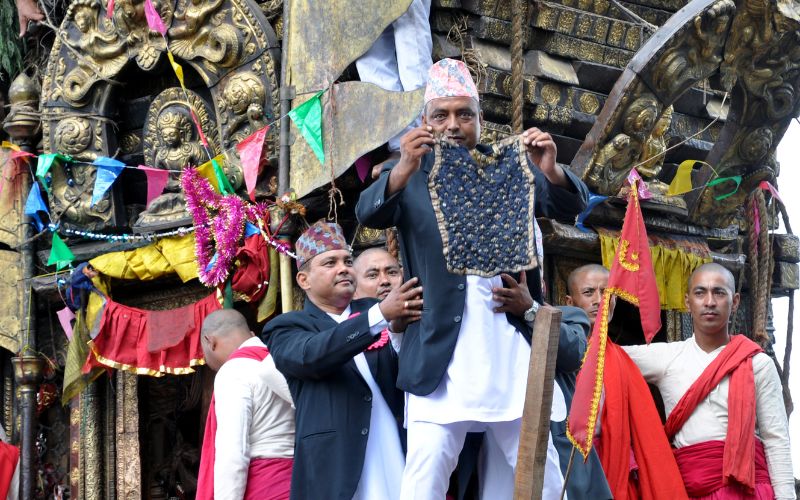
Jestha 18, 2083. Jawalakhel, Patan. One of the most ancient living traditions in South Asia reaches its culmination.
Today marks the conclusion of the Rato Machindranath Jatra, the longest and one of the most culturally significant chariot festivals in Nepal. The Bhoto Jatra ceremony, the sacred final act of a two-month procession, takes place today at Jawalakhel inPatan. The chariot procession began on April 30 and concludes today, June 1, 2026, Jestha 18, 2083.
What Is the Rato Machindranath Jatra?
The Rato Machindranath Jatra is the oldest, longest-running, and most sociologically complexchariotfestival in Nepal, a living system of theology, indigenous engineering, agrarian ritual, and civic identity that has run continuously for over 1,400 years. It takes place in Lalitpur, also known as Patan, one of the three ancient kingdoms of the Kathmandu Valley and the historic center of Newari art and culture.
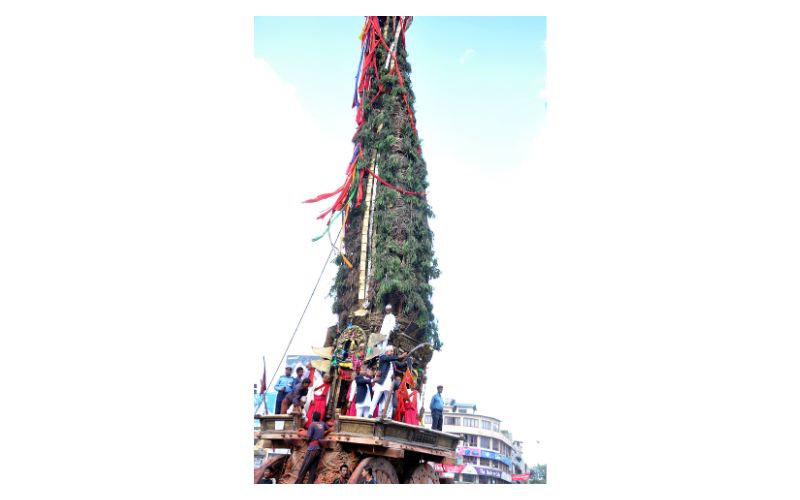
The festival begins in Pulchowk, where a towering chariot is constructed and adorned with garlands and vibrant decorations. Once completed, the idol of Rato Machindranath is ceremoniously transferred from his temple to the chariot. Devotees and locals then pull the chariots through the streets of Lalitpur, passing through Natole, Gabahal, Mangal Bazaar, Sundhara, Lagankhel, and Kumaripati before reaching Jawalakhel for the final stop.
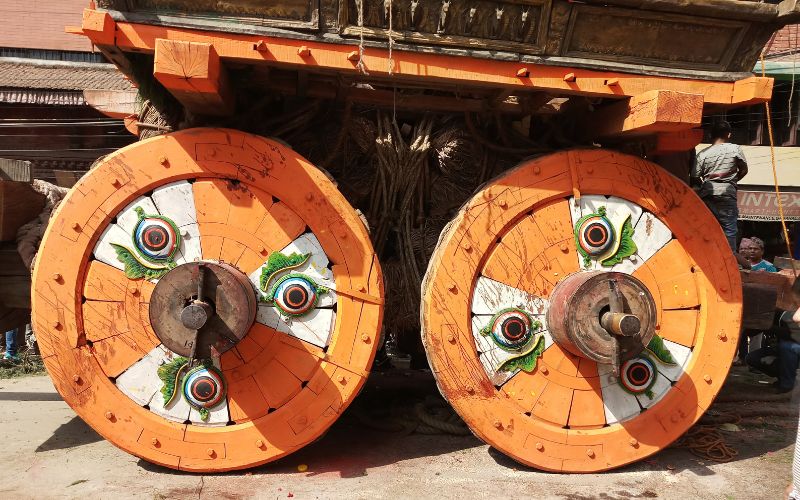
The chariot of Machindranath is approximately 60 ft, built entirely from wood and rope, with only the wheels made of metal. It is reconstructed from scratch every year by the Guthi community organizations of Patan, using skills and knowledge passed down through generations.
The Significance of Rato Machindranath
The festival is celebrated to honor the Vajrayana Buddhist God of compassion, Avalokitesvara Karunamaya, simultaneously revered as aHinduyogic saint and aBuddhistBodhisattva of compassion. This dual identity is not a marketing convenience. It is a genuine theological structure that has allowed the festival to unify the Valley’s religiously diverse population for over a millennium. The Hindus and Buddhists of Patan pull the same ropes attached to the same chariot carrying the same deity. Neither side sees a contradiction.
The deity is believed to be the bringer of rain and prosperity, and the festival holds deep agrarian significance for the people of the Valley. The procession is a prayer, a public act of collective devotion intended to ensure good rainfall and a healthy harvest for the year ahead.
The Legend Behind the Festival
The Rato Machindranath Jatra is celebrated to remember that Kathmandu was once rescued from a severe drought. According to legend, Guru Gorakhnath, a sage, visited Patan and was not offered any respect. Angered by the insult, he captured the nine rain-bringing serpents and sat on them, causing a twelve-year drought across the Valley.
The sandalwood idol of Rato Machindranath was then brought from Kamrup Kamakhya to the Valley to alleviate the drought. The passionate prayers of the people were answered when the deity appeared, ending the crisis and blessing the land with prosperity. As a gesture of gratitude, the annual chariot procession began, a tradition that has continued without interruption ever since.
The Bhoto Jatra — Today’s Sacred Ceremony
The Bhoto Jatra is the climax of the entire festival. It centers on the display of a jewel-studded black bhoto, a vest, from the chariot for all to see. According to legend, a farmer named Karkotaka was rewarded with a diamond-studded bhoto for curing the Queen’s eye illness. The vest was later taken by a serpent king, and the tradition of displaying it publicly each year began as an invitation for the rightful owner to come forward and claim it with proof. Centuries later, the display continues. The owner has never come forward. The tradition endures.
A few days after the Bhoto Jatra, the chariot is dismantled and the idol of Rato Machindranath is returned to his temple in Bungamati, where he will remain for the next six months before the cycle begins again.
A Festival That Has Never Stopped
The Rato Machindranath Jatra has survived earthquakes, political upheaval, and even a global pandemic. It is not a cultural performance staged for visitors. It is a living tradition, maintained by the Guthi community organizations of Patan whose members have been building the chariot, organizing the procession, and performing the rituals for as long as anyone can remember.
Today at Jawalakhel, that tradition reaches its annual conclusion.
Also Read
Why Cultural Festivals Are Becoming The New Form Of Tourism
How Music Changes the Way We Remember
From Thrift Stores To Flea Markets: Young Nepal’s Fashion Shift in 2026
Why Everyone’s Suddenly Obsessed With Digital Cameras Again in 2026