Pet Skincare: Why Healthy Skin Means a Healthier Pet
- Expert Tips
- Life Style
-
 The Buzz Nepal
 - February 20 , 2026

The skin is the largest organ of a vertebrate body and serves as the first line of defense against environmental pathogens, allergens, and external irritants. For household pets, maintaining proper skin health is not just about appearance, it is essential for overall well-being. Healthy skin prevents discomfort, secondary infections, chronic irritation, and long-term dermatological issues.
“Skin problems are among the most common reasons pet owners visit the clinic,” says Dr. Subash Rimal, veterinary dermatologist. “What many people see as minor itching or shedding can often be the early sign of an underlying issue.”
Grooming and Surface Maintenance

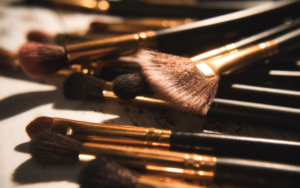
Regular grooming serves a biological purpose beyond aesthetic upkeep.
Sebum Distribution
Brushing helps distribute natural oils (sebum) along the hair shaft, creating a protective, water-resistant barrier that keeps the coat healthy and resilient.
Debris Removal
Routine brushing eliminates environmental allergens, dust, and dead dander that may trigger inflammation or itching.
Early Detection
Grooming sessions provide an opportunity for physical inspection. Pet owners can identify parasites such as ticks and fleas early, as well as monitor unusual lumps, lesions, or changes in the skin.
“Five minutes of daily brushing can prevent weeks of treatment later,” Dr. Rimal explains. “It’s one of the simplest but most powerful preventive tools.”
Hygiene and Bathing Protocols
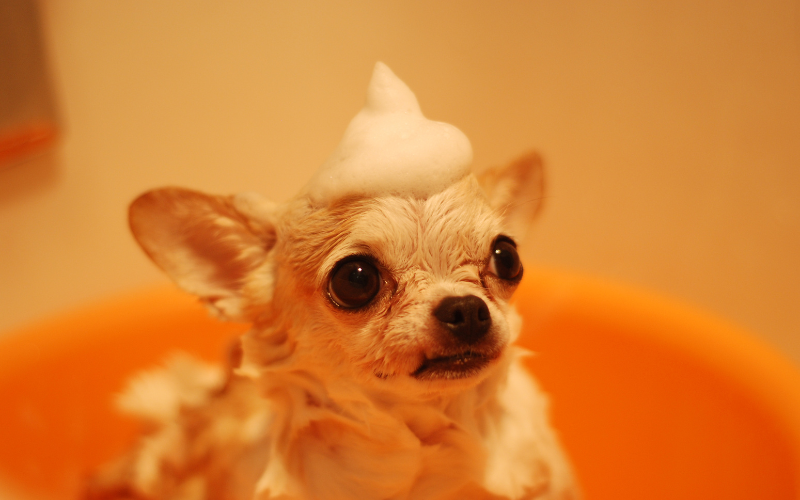
Maintaining hygiene is important, but over-bathing can disrupt natural skin chemistry.
Bathing Frequency
Most dogs require bathing every four to eight weeks, depending on breed and activity level. Cats typically maintain their hygiene through self-grooming unless medical conditions require otherwise.
pH Compatibility
Human skin has a pH of approximately 5.5, while pet skin ranges between 6.2 and 7.5. Using human shampoos can disrupt a pet’s protective “acid mantle,” leading to dryness and irritation. Pet-specific products are always recommended.
Temperature Control
Water should be lukewarm. Excessively hot water can cause thermal irritation, while cold water may be uncomfortable and ineffective in cleansing.
“Owners often overestimate how often pets need bathing,” adds Dr. Rimal. “Less is more when it comes to preserving the natural skin barrier.”
Nutritional Influences on Skin Health
Healthy skin begins from within. Nutrition plays a direct role in dermal integrity.
Essential Fatty Acids
Omega-3 and Omega-6 fatty acids support cellular membrane health and reduce inflammation.
Protein Intake
Keratin, the primary structural component of hair and skin, depends on high-quality protein sources.
Hydration
Adequate water intake maintains elasticity and reduces flakiness or dryness.
“A shiny coat is often a reflection of balanced nutrition,” notes Dr. Rimal. “You can’t fix chronic skin issues with topical treatments alone if the diet is inadequate.”
Clinical Indicators of Skin Distress
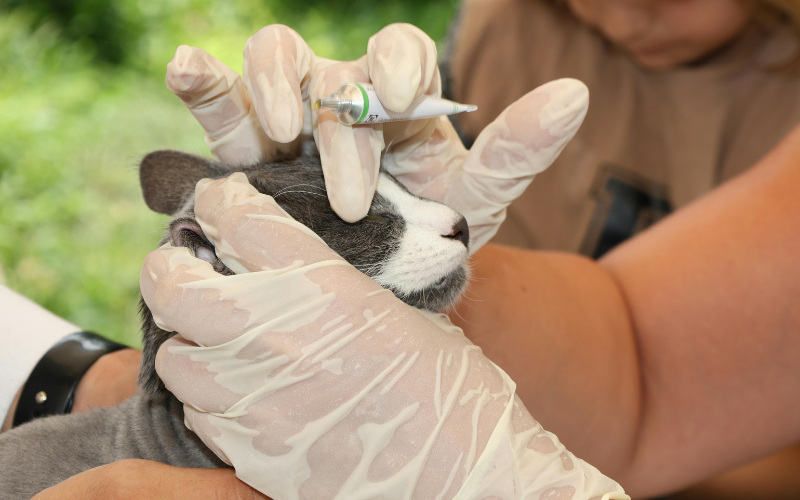
Pet owners should monitor for symptoms that may require veterinary consultation:
- Excessive Pruritus: Persistent licking, scratching, or chewing may indicate allergies or parasites.
- Pyoderma: Bacterial infections that commonly appear as painful ‘hot spots.’
- Flea Dirt: Small black specks that indicate active flea infestation.
- Malodorous Skin: A musty or yeasty smell often signals fungal or yeast overgrowth.
“Early intervention makes all the difference,” Dr. Rimal emphasizes. “If your pet’s scratching changes in intensity or frequency, that’s your cue to consult a veterinarian.”
About The Author
Dr. Subash Rimal-veterinarian, academic, and animal welfare advocate is a trusted name in Nepal’s veterinary field. An Assistant Professor at the Institute of Agriculture and Animal Science (IAAS), Tribhuvan University. He also serves as a practicing clinician at Lifeline Veterinary Hospital & Research Centre, Lalitpur, where he blends science and compassion in his approach to animal care.
Contact Details:
Lifeline Veterinary Hospital And Research Centre
Location: Sanepa, Lalitpur
Instagram: lifelinevet_hospital

Also Read
Moxy Kathmandu Brings Marriott’s Bold Lifestyle Energy to the Capital
February Art Spotlight: Sangee Shrestha
Soaltee Hotels & Resorts Brings Signature Luxury to the Hills of Manakamana
Buzz Expert Nikita Explains Why Replacing a Missing Tooth Is About More Than Appearance
Meet Kairav Halway, the 17-Year-Old Founder Behind Nepal-Focused Streetwear Label Kahl
Similar News