What Teaching Children Reveals About Adult Yoga Practice: Insights from Expert Reena Maharjan
- Expert Tips
- Life Style
- Wellness
-
 The Buzz Nepal
 - February 16 , 2026

For yoga expert Reena Maharjan, teaching yoga to children began as a simple responsibility, guiding them through poses, helping them breathe deeply, and channeling their restless energy into calm movement. With playful animal flows, storytelling, and simple stretches, the goal was to introduce young minds to balance and awareness. But over time, the experience revealed something far more profound.
“While I was teaching yoga to children, they were quietly teaching yoga back to me,” Maharjan says.
Through her classes, she observed that children naturally embody mindfulness rather than consciously practicing it. Unlike adults, whose minds often drift toward responsibilities and distractions, children remain fully present in each moment. “Children do not ‘practice’ mindfulness, they live in it,” she explains. “When they stretch, they stretch with their whole being. When they laugh, they laugh without hesitation. When they fall out of balance, they simply try again. There is no embarrassment, no comparison, no self-criticism.”
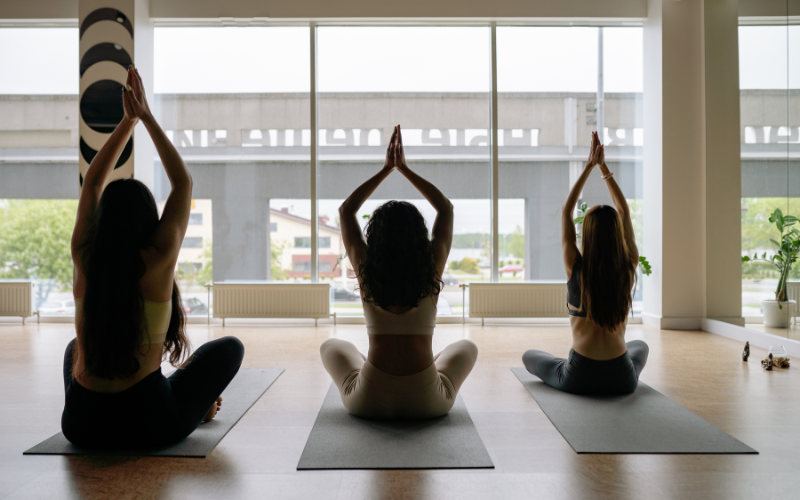
This sense of presence reflects one of yoga’s most essential truths, being fully connected to the moment. Maharjan notes that teaching children helped her rediscover this quality in her own practice. “Through them, I rediscovered what true presence feels like, natural and unforced,” she says.
Another important lesson children demonstrate is non-attachment. While many adults approach yoga with goals such as improving flexibility or mastering difficult poses, children approach each posture with curiosity rather than expectation. “For children, a pose is not something to perfect; it is something to explore,” Maharjan says. “If they wobble, they giggle. If they fall, they get up. Their resilience reflects the essence of yoga philosophy, consistent effort without ego.”
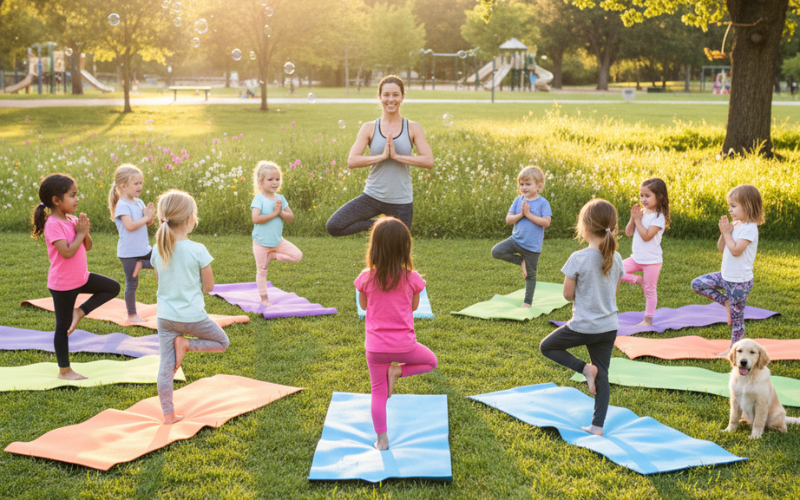
Emotional honesty is another quality that stands out in children’s yoga practice. Their emotions are visible, honest, and temporary. Through simple breathing exercises, Maharjan has witnessed how naturally children regulate themselves. “A few slow breaths, a quiet moment, and balance returns,” she says. “It reminds us that emotions are not obstacles, they are experiences that move through us when we allow them space.”
Children also bring a sense of playfulness that transforms yoga into a joyful and imaginative experience. “Children don’t perform yoga, they experience it,” Maharjan shares. “A simple pose can become a story, a game, or an adventure. Their joy in movement dissolves rigidity and brings softness back into practice.”
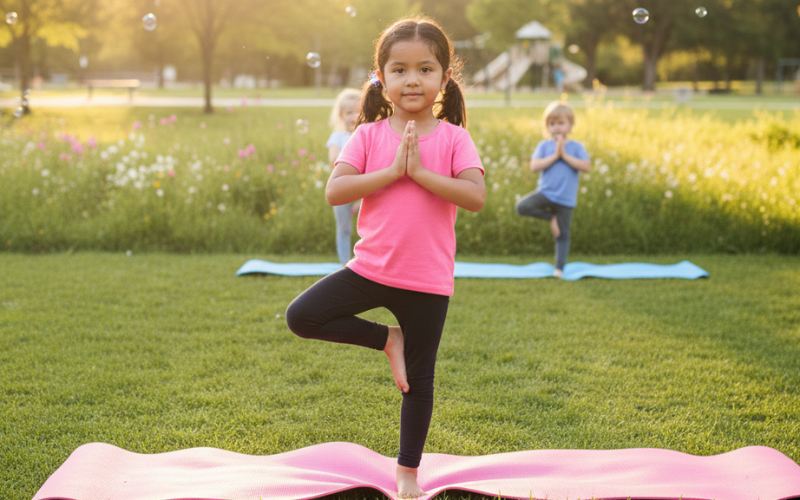
This authenticity, she explains, reflects the true heart of yoga. Free from concern about appearance or performance, children approach yoga with innocence and openness. “They are not concerned with how they appear to others,” Maharjan says. “In their spontaneity, I see the true essence of yoga, union with the present moment.”
Teaching children has not only shaped her perspective as an instructor but also deepened her understanding as a practitioner. “It reminded me that yoga is not about mastering complex poses,” she says. “It is about returning to simplicity: breath, awareness, curiosity, and joy.”
Five Things People Forget as Adult Yoga Practitioners
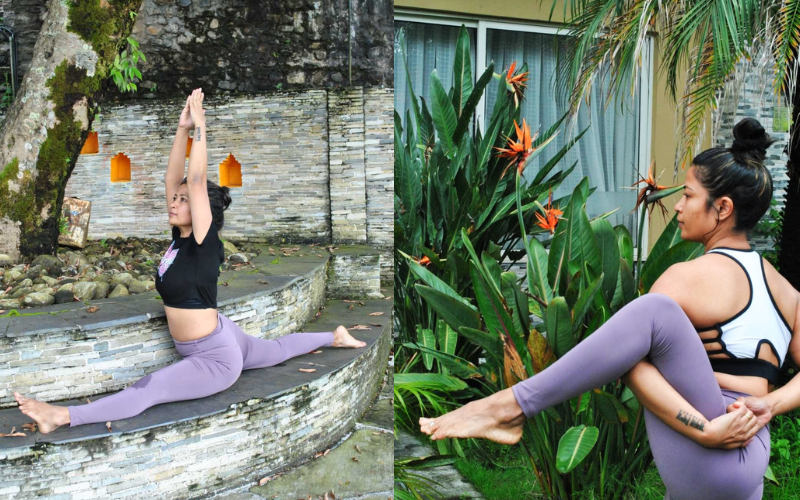
Drawing from her experience, Maharjan highlights five essential reminders for adult practitioners:
1. Bring Back Playfulness
Children approach yoga with imagination and freedom, without worrying about perfection or judgment.
“Approach your mat with curiosity, not criticism,” Maharjan advises. “Yoga is not a performance. It is an experience.”
2. Focus on the Present Moment
Children remain fully immersed in their practice, free from distractions or mental pressure.
“Practice single-task presence,” she says. “When you stand, just stand. When you breathe, just breathe. Your mat is a reset button.”
3. Express, Don’t Suppress
Children naturally express and release emotions through movement and breath.
“Movement is emotional release,” Maharjan explains. “Allow your practice to become a space where emotions can move freely.”
4. Consistency Matters More Than Duration
Children benefit from short but regular sessions, demonstrating that consistency creates meaningful change.
“Even ten mindful minutes daily can be more powerful than occasional intense practice,” she says.
5. Joy Is the Real Goal
Children measure yoga by how it makes them feel, not how difficult it was.
“Ask yourself how you feel after practice, not how much you achieved,” Maharjan says. “Yoga is about connection, not competition.”
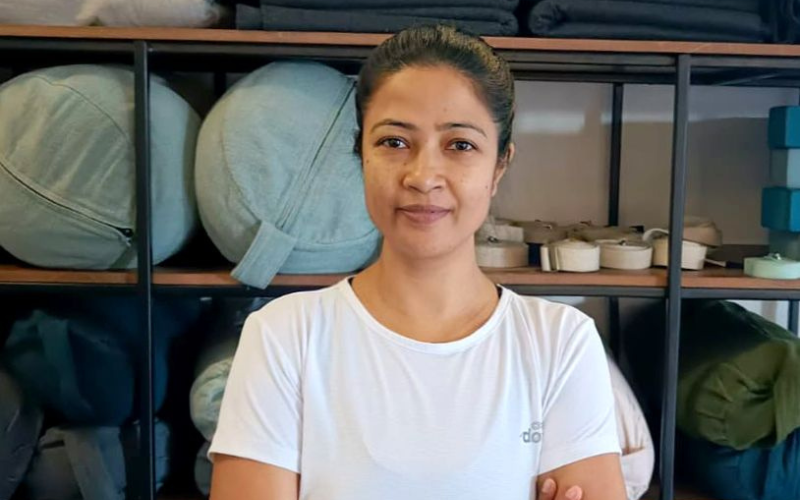
Through her experience teaching children, Maharjan continues to rediscover yoga in its purest form, not as a performance or achievement, but as a way of being. Their presence, honesty, and joy serve as a powerful reminder that yoga’s true purpose lies in simplicity, awareness, and authentic connection.
About the Author
Reena Maharjan is a passionate yoga educator with over 10 years of practice and 8 years of teaching experience. She is a 500-hour certified instructor trained in Nepal and India. Also certified in prenatal/postpartum yoga and mat Pilates, she blends ancient wisdom with mindful movement.
Instagram: yogawith_reena
For more yoga tips like this, stay tuned to The Buzz Nepal, where true wellness begins with real journeys.

Also Read
Né Nepal is Bringing Nepali Craft Back Into Everyday Life
Sushant KC Drops OST For The New Movie “Rammita Koo Pirati”
What is Love? Celebrities Share What Love Truly Means To Them
Similar News