Buzz Expert Nikita Explains Why Replacing a Missing Tooth Is About More Than Appearance
- Life Style
- Wellness
-
 The Buzz Nepal
 - February 18 , 2026

A missing tooth rarely announces itself as a medical emergency. There is no alarm, no urgency only a quiet adjustment. People begin chewing on one side. They avoid certain foods without realizing it. They smile less freely. Over time, what seemed like a small absence begins to reshape daily habits and self-confidence.
According to Dr. Nikita Agarwal, the impact of tooth loss extends far beyond appearance.
“Most patients don’t come in because of pain,” she explains. “They come in because something doesn’t feel balanced anymore. They’ve adapted, but they don’t feel the same.”
Tooth loss affects more than the visible smile. It changes how pressure is distributed across the jaw, how neighboring teeth align, and how the bone beneath the surface is maintained. Without stimulation from a natural tooth root, the bone in that area begins to shrink, a gradual process that often goes unnoticed until it creates larger structural changes.
The Consequences of Waiting

Many patients delay treatment because the absence doesn’t initially interfere with daily function. But adaptation can come at a cost.
Food begins to collect in unnatural spaces. Adjacent teeth shift to fill the gap. Jaw strain develops from uneven pressure. These changes happen slowly, but they can compromise long-term oral health.
Dr. Agarwal emphasizes that timing plays a critical role.
“The longer a tooth is missing, the more the foundation changes,” she says. “We’re not just replacing a tooth, we’re preserving the bone and restoring balance.”
Dental implants are designed to address both concerns. Unlike removable solutions, implants integrate with the bone, helping maintain its structure while restoring natural function.
Restoring Function, Not Just Filling a Gap
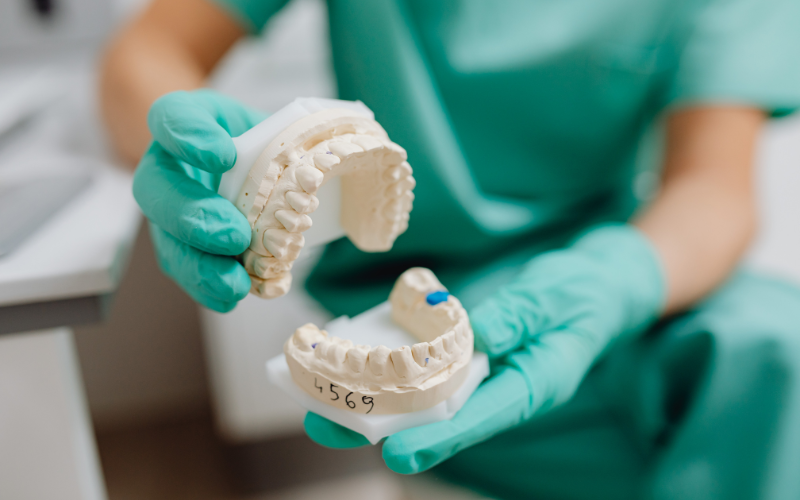
One of the most common misconceptions about dental implants is that they are purely cosmetic. In reality, their primary role is functional; to restore stability, protect surrounding teeth, and maintain the integrity of the jaw.
Patients often ask whether the procedure is painful or difficult. Dr. Agarwal notes that advancements in digital planning and guided techniques have transformed the experience.
“With proper planning, the procedure is precise and controlled,” she explains. “Most patients are surprised by how manageable it feels. The goal is not just placement, but comfort and predictability.”
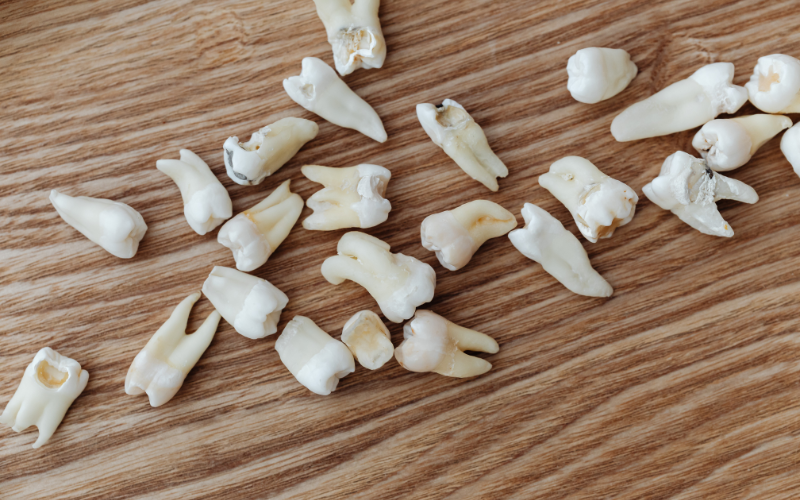
Equally important is the longevity of the result. When carefully planned and maintained, dental implants can last for decades.
“Success doesn’t come from speed,” she says. “It comes from careful diagnosis, understanding the patient’s bite, and respecting the biology.”
Why Diagnosis Comes Before Treatment
Modern implant dentistry relies heavily on detailed evaluation. Digital imaging, bite analysis, and bone assessment allow specialists to understand the complete picture before beginning treatment.
This diagnostic phase determines not only whether an implant is possible, but how it can function naturally within the patient’s existing structure.
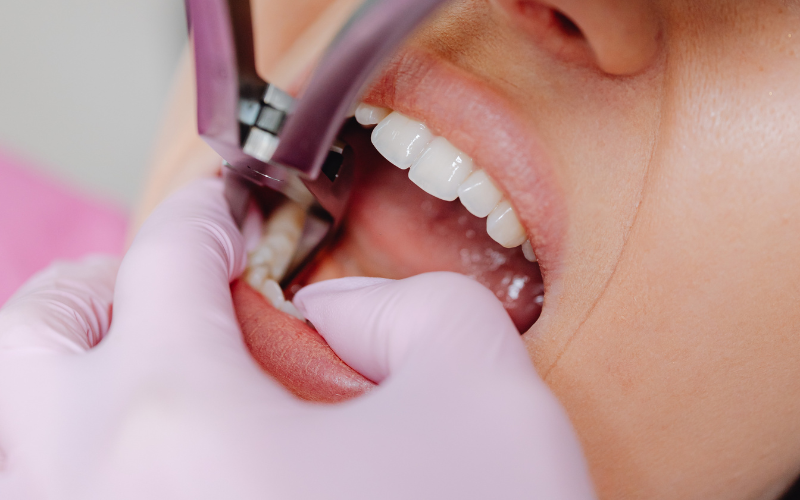
“An implant should never feel foreign,” Dr. Agarwal says. “When done correctly, it becomes part of you. Patients stop thinking about it, that’s when you know it’s successful.”
This philosophy reflects a shift in modern dentistry. The focus is no longer just on replacing what is missing, but on restoring harmony, ensuring that every part of the oral system works together as intended.
More Than a Clinical Decision
For many patients, choosing to replace a missing tooth is not about aesthetics alone. It is about regaining ease in everyday life, eating without hesitation, speaking without adjustment, and smiling without self-awareness.
The transformation is often subtle, but meaningful.
“The best outcome,” Dr. Agarwal reflects, “is when the patient forgets the implant is even there. It simply feels like their own tooth again.”
Because in the end, restoring a tooth is not just about filling a space. It is about restoring comfort, confidence, and a sense of wholeness that was quietly lost.
About Author
Dr. Nikita Agarwal is a Prosthodontist and Oral Implantologist based in Nepal, specializing in digital dentistry and advanced implant rehabilitation. She holds an MDS in Prosthodontics and is a Fellow and Master of the International Congress of Oral Implantologists (ICOI). As the founder of Studio Dentale, she integrates digital technologies such as intraoral scanning, CAD/CAM, and 3D printing into clinical practice. She is also actively involved in academic training and professional education.
Instagram: @dr_nikita.agarwal | @studiodentale_

Also Read
Meet Kairav Halway, the 17-Year-Old Founder Behind Nepal-Focused Streetwear Label Kahl
What Teaching Children Reveals About Adult Yoga Practice: Insights from Expert Reena Maharjan
Né Nepal is Bringing Nepali Craft Back Into Everyday Life
Sushant KC Drops OST For The New Movie “Rammita Koo Pirati”
What is Love? Celebrities Share What Love Truly Means To Them
Similar News