Summer Skin Safety Tips for Pets From Vet Expert
- Pets
- Life Style
-
 The Buzz Nepal
 - March 12 , 2026

Summer can be a challenging season for pet health, especially when it comes to skin problems. Higher temperatures, increased humidity, and environmental changes create ideal conditions for ectoparasites such as fleas, ticks, mites, and lice to thrive. These parasites not only cause irritation and discomfort but can also transmit serious diseases. For pet owners, awareness and proper preventive skin care are essential to keep pets healthy and comfortable during the warmer months.
Common Ectoparasites in Pets
Fleas are among the most common ectoparasites affecting dogs and cats. These tiny parasites feed on blood and can cause intense itching, allergic dermatitis, and, in severe cases, anemia. Fleas can also transmit certain parasites.
Ticks are another major concern during summer. They attach themselves to the skin and feed on blood for several days. In addition to causing local irritation, ticks can transmit serious diseases such as babesiosis, ehrlichiosis, and anaplasmosis.
Mites are microscopic parasites that live on or within the skin. Some species cause mange, which can lead to hair loss, severe itching, crust formation, and secondary bacterial infections.
Lice infestations are less common but may occur in pets with poor hygiene or weakened immune systems. They can cause irritation, frequent scratching, and a dull or unhealthy coat.

How Summer Affects Skin Health
During the summer months, pets may experience increased sweating through their paw pads, greater exposure to dust, pollen, and allergens, and higher parasite activity. These factors can contribute to several skin issues, including:
- Skin irritation and itching
- Hot spots (acute moist dermatitis)
- Allergic dermatitis
- Secondary bacterial or fungal infections
- Hair loss and poor coat quality
Pets with thick coats, those that spend a lot of time outdoors, or animals that are not groomed regularly may be more susceptible to these problems.
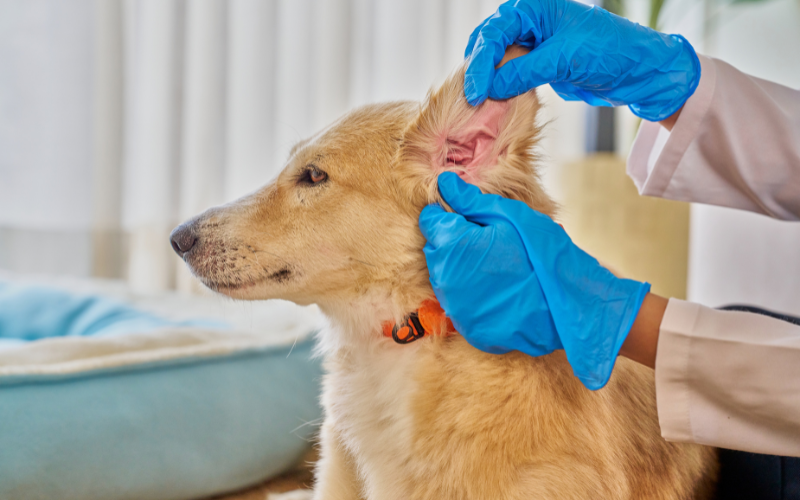
Preventing Ectoparasite Infestations
Consistent parasite prevention is one of the most effective ways to protect pets. Pet owners should consult a veterinarian to determine the most suitable preventive products, which may include:
- Topical spot-on treatments
- Oral parasite control medications
- Anti-parasitic collars
- Medicated shampoos
Regular grooming and frequent checks of a pet’s skin and coat can help detect parasites early.
Maintaining a clean environment is equally important. Pet bedding, kennels, and living spaces should be cleaned and disinfected regularly to reduce the chances of parasite breeding.
Summer Skin Care Tips for Pets
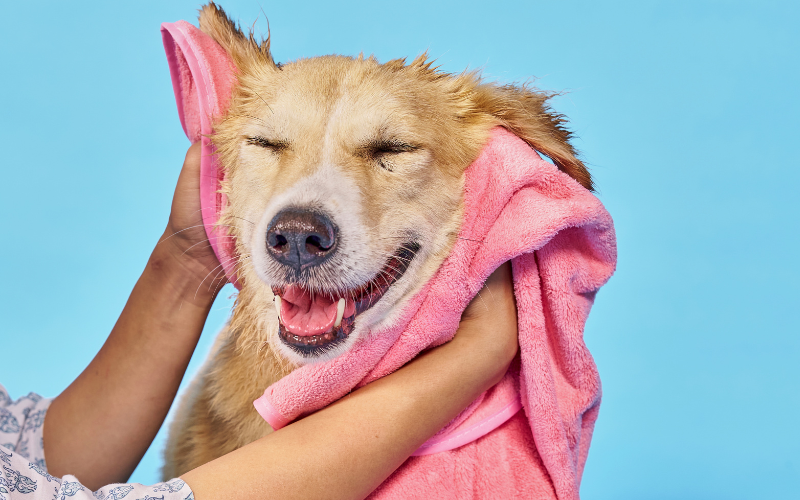
Proper skin care plays an important role in preventing infections and maintaining healthy skin during summer.
Regular grooming: Brushing your pet’s coat helps remove loose hair, dirt, and potential parasites while improving blood circulation.
Bathing: Occasional baths using mild, veterinarian-approved shampoos can help maintain skin hygiene. However, overbathing should be avoided, as it may dry out the skin.
Tick checks: After outdoor walks, especially in grassy areas, pets should be checked for ticks around the ears, neck, underarms, and between the toes.
Balanced nutrition: A healthy diet rich in essential fatty acids, vitamins, and minerals supports strong skin and a shiny coat.
Proper hydration: Pets should always have access to clean drinking water, as dehydration can affect skin health.
When to See a Veterinarian

Pet owners should consult a veterinarian if they notice any of the following signs:
- Persistent itching or scratching
- Redness, swelling, or skin wounds
- Hair loss or bald patches
- Visible ticks, fleas, or mites
- Unpleasant odor or discharge from the skin
Early diagnosis and treatment can prevent complications and help pets recover more quickly.
Ectoparasites are a common concern for pets during the summer season. Effective parasite control, regular grooming, a clean environment, and proper nutrition all play a key role in maintaining healthy skin. With responsible care and timely veterinary attention, pet owners can help ensure their pets stay comfortable, healthy, and parasite-free throughout the summer.
About The Author
Dr. Subash Rimal-veterinarian, academic, and animal welfare advocate is a trusted name in Nepal’s veterinary field. An Assistant Professor at the Institute of Agriculture and Animal Science (IAAS), Tribhuvan University. He also serves as a practicing clinician at Lifeline Veterinary Hospital & Research Centre, Lalitpur, where he blends science and compassion in his approach to animal care.
Contact Details:
Lifeline Veterinary Hospital And Research Centre
Location: Sanepa, Lalitpur
Instagram: lifelinevet_hospital

Also Read
Anna Sharma Shares Behind-the-Scenes Look of Her Upcoming Film “Tunnel 26”
Love, Drama, and a Fresh Chapter Await in XO, Kitty
Kathmandu’s Weekend Brings Art, Cinema, and Music Together
ZESSTY Is The Spotlight Artist of The Month of The Buzz Nepal
Buzz Expert Shares How Digital Dentistry Is Transforming Smile Makeovers for Women
Similar News