Common Gastrointestinal Issues in Cats, and Cure: Don’t Ignore these Signs, April 2026
- Pets
-
 The Buzz Nepal
 - April 9 , 2026

Gastrointestinal problems are among the most common health issues affecting cats, ranging from mild digestive upset to life-threatening conditions. Feline Panleukopenia Virus (FPV), a highly contagious parvovirus, is a major cause that’s reportedly increasing in Kathmandu, making vaccination critical for prevention.
Common Gastrointestinal Issues in Cats
Cats often suffer from intestinal parasites like roundworms, hookworms, tapeworms, coccidia, and whipworms, which cause vomiting, diarrhea, weight loss, and poor growth if untreated. Food sensitivities or allergies can trigger chronic diarrhea and vomiting, while inflammatory bowel disease (IBD) leads to ongoing inflammation of the intestines, resulting in weight loss and appetite changes. Pancreatitis, or pancreatic inflammation, frequently occurs alongside IBD and liver issues (triaditis), presenting with lethargy, pain, and digestive distress.
FPV and Rising Cases
FPV primarily attacks the gastrointestinal tract, causing severe vomiting, bloody diarrhea, dehydration, fever, and a sharp drop in white blood cells, often proving fatal especially in kittens. In Kathmandu, reports indicate FPV cases are on the rise, likely due to unvaccinated strays and dense urban pet populations spreading the hardy virus via feces, shared environments, or even human shoes and clothing. This surge heightens risks for household cats, particularly in high-density areas like Nepal’s capital.
Symptoms to Watch
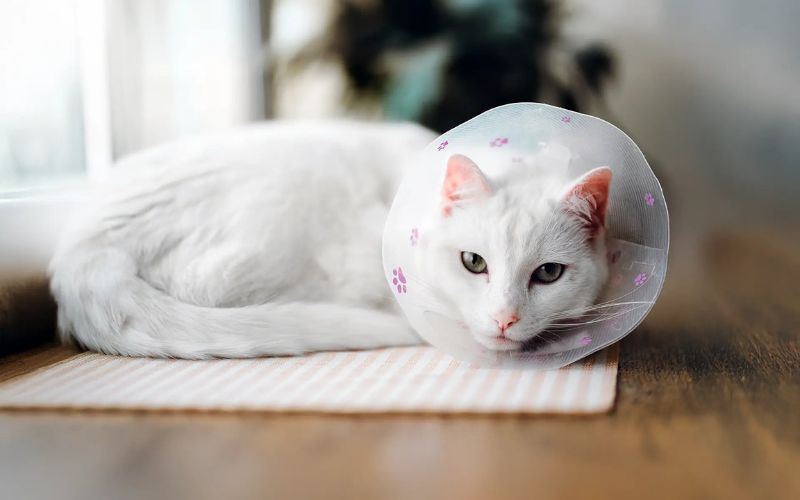
Early signs of GI distress include repeated vomiting, loose or bloody stools, loss of appetite, lethargy, abdominal pain (hunching or sensitivity), and dehydration shown by tacky gums or skin tenting. With FPV, sudden high fever, severe weakness, and rapid decline occur within days, demanding immediate vet care. Chronic issues may show as gradual weight loss or intermittent diarrhea, while acute problems like foreign body ingestion cause sudden refusal to eat.
Diagnosis and Treatment
Vets diagnose via fecal exams for parasites, blood tests for FPV or organ function, imaging like X-rays or ultrasound, and sometimes endoscopy or biopsies for IBD. Parasites are treated with dewormers; supportive care for FPV includes fluids, anti-nausea meds, antibiotics for secondary infections, and isolation. Diet trials with hydrolyzed or novel protein foods help chronic cases, alongside anti-inflammatories or immunosuppressants.
Vaccination Advice
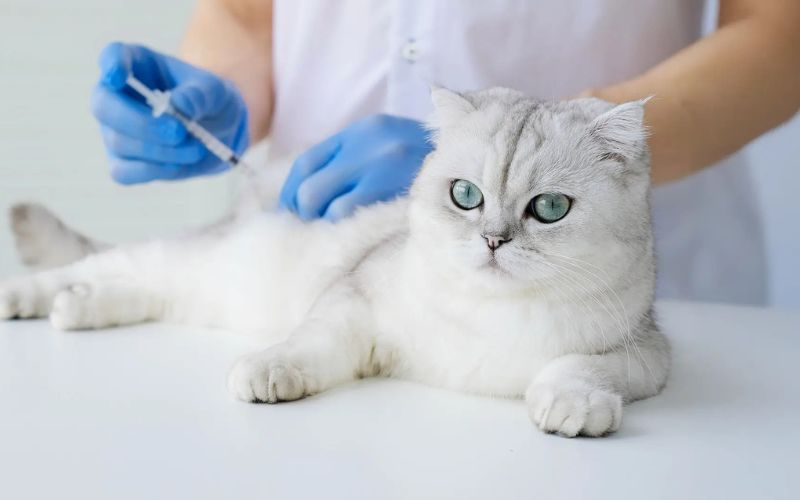
Vaccination is the cornerstone of FPV prevention, kittens should get their first dose at 6-8 weeks, boosters every 3-4 weeks until 16-20 weeks in high-risk areas like Kathmandu. Adults need boosters every 1-3 years; in outbreak zones, vaccinate strays or new cats immediately upon intake, repeating after 2 weeks. Core vaccines like FVRCP (covering FPV, herpesvirus, calicivirus) are safe and highly effective; consult a local vet in Kathmandu for schedules amid rising cases.
Prevention Tips
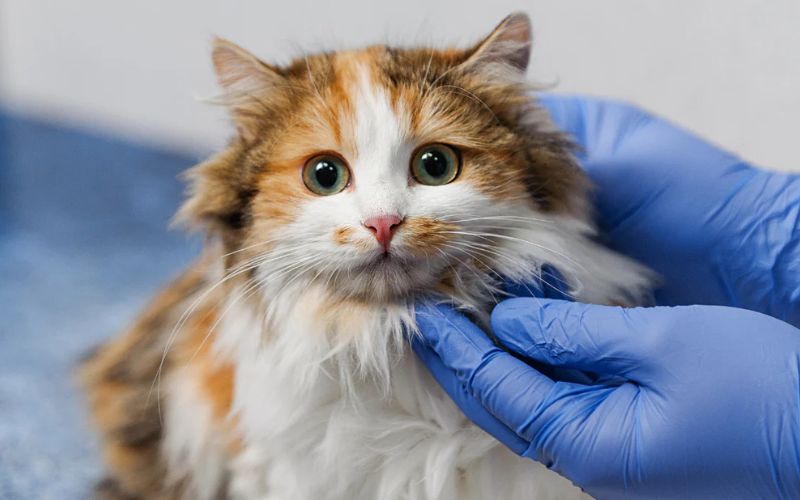
Keep litter boxes clean daily to curb parasite and FPV spread, feed high-quality diets avoiding sudden changes, and minimize stress which worsens GI issues. Regular deworming, flea control (to break tapeworm cycles), and annual vet checkups catch problems early. In Kathmandu, avoid letting cats roam where strays congregate, and quarantine new pets until vaccinated and tested.
When to Seek Help
Rush to a vet for any vomiting over 24 hours, bloody stools, extreme lethargy, or suspected FPV signs, delays can be fatal. For chronic issues, track symptoms in a journal for your vet. Early intervention improves outcomes dramatically.
About The Author
Dr. Subash Rimal-veterinarian, academic, and animal welfare advocate is a trusted name in Nepal’s veterinary field. An Assistant Professor at the Institute of Agriculture and Animal Science (IAAS), Tribhuvan University. He also serves as a practicing clinician at Lifeline Veterinary Hospital & Research Centre, Lalitpur, where he blends science and compassion in his approach to animal care.
Contact Details:
Lifeline Veterinary Hospital And Research Centre
Location: Sanepa, Lalitpur
Instagram: @lifelinevet_hospital

Also Read
The Buzz Nepal Cover Story, April 2026: Mingma David Sherpa is Fearlessly Above the Clouds
Apwoh Misa: A Reclamation in Sound, Memory, and Defiance, 2082
Ri Mo Kathmandu Officially Debuts a Vibrant Art Kathmandu 2026 at Kathmandu Marriott Hotel
The Truth About Teeth Whitening: Why Expert Care Matters More Than Social Media Trends in 2026
Sindhur Jatra Fest II 2082 to Paint Bhaktapur Beautifully in Its Vermillion Shade.
Similar News