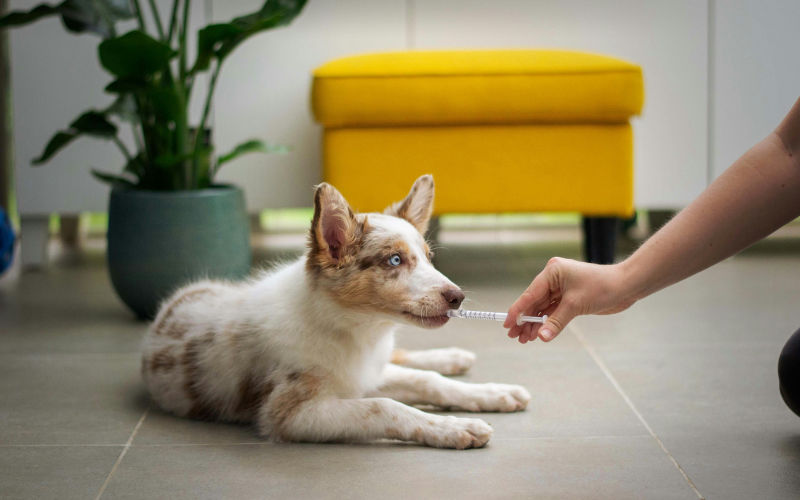
End-of-Life Care for Your Pet: A Guide for Pet Parents from The Expert
- Pets
- Life Style
-
 The Buzz Nepal
 - February 11 , 2026

Pets are cherished members of the family, and as they age or face chronic or terminal illnesses, there often comes a time when the focus of care shifts from curing to comforting. End-of-life care prioritizes dignity, pain management, and emotional support, ensuring that a pet’s final days are peaceful and free from unnecessary suffering. Understanding this stage helps pet parents make thoughtful and compassionate decisions guided by love.
As pets approach the final stage of life due to conditions such as cancer, organ failure, or age-related complications, certain changes become noticeable. Loss of appetite, weight loss, difficulty moving, incontinence, breathing challenges, confusion, and withdrawal from interaction are common signs.

Dr. Rimal notes, “These changes often indicate that the quality of life is declining. At this stage, aggressive treatments may cause more stress than relief.” Recognizing these signs early allows families to transition toward supportive and palliative care.
Palliative care focuses on easing discomfort and maintaining quality of life. Veterinarians may prescribe pain management and supportive medications tailored to the pet’s condition. At home, simple yet meaningful adjustments can make a significant difference such as providing soft bedding, ensuring a warm and clean resting area, offering easy access to food and water, assisting with mobility, and maintaining hygiene.

“Small acts of care, a gentle touch, a calm voice can bring immense comfort to a pet during this time,” says Dr. Rimal. Emotional reassurance, he emphasizes, is just as important as medical support.
Monitoring a pet’s quality of life is a crucial responsibility for owners. Families should observe whether their pet is eating and drinking properly, staying clean, responding to loved ones, and experiencing more good days than difficult ones.

“When pain becomes constant and bad days outnumber good ones, it is important to have an honest discussion with your veterinarian,” Dr. Rimal advises. These conversations, though difficult, help guide compassionate decision-making.
In cases where suffering cannot be effectively managed, euthanasia may be considered the most humane option. The procedure is designed to be painless and peaceful, preventing prolonged distress.

Dr. Rimal explains, “Euthanasia is not giving up, it is an act of kindness when suffering can no longer be relieved.” Being present during the process can offer comfort to both the pet and the family, allowing for a gentle and dignified goodbye.
After a pet’s passing, grief is both natural and deeply personal. The emotional bond shared with a pet often leaves a lasting imprint, and their absence can create a profound sense of loss. Dr. Rimal encourages families to allow themselves time to mourn. “Grief reflects love,” he says. Sharing memories, creating keepsakes, and openly expressing emotions, especially with children, can support the healing process.

Ultimately, end-of-life care is about honoring the unconditional love pets give throughout their lives. Providing comfort, respect, and compassion in their final days is a meaningful way to give back. As Dr. Rimal gently reminds pet parents, “A peaceful farewell, filled with love and familiarity, is the greatest gift we can offer in return.”
About The Author
Dr. Subash Rimal-veterinarian, academic, and animal welfare advocate is a trusted name in Nepal’s veterinary field. An Assistant Professor at the Institute of Agriculture and Animal Science (IAAS), Tribhuvan University. He also serves as a practicing clinician at Lifeline Veterinary Hospital & Research Centre, Lalitpur, where he blends science and compassion in his approach to animal care.
Contact Details:
Lifeline Veterinary Hospital And Research Centre
Location: Sanepa, Lalitpur
Instagram: lifelinevet_hospital

Also Read
Kuma Sagar and The Khwopa Band Has Announced Live Concert in Bhaktapur
Inside T’s Armoire: Deeya Yonjan Tamang’s Vision for Fashion
Radiance with Purpose: Inside Swechchhya Thapa Magar’s Beauty Philosophy
Laxmi Gupta is The Model of The Month for The Buzz Nepal February
Marriott Kathmandu Unveils Valentine’s Day Dining Experiences
Similar News