Therapy in Nepal: Breaking the Stigma Around Seeking Help, June 2026
- Entertainment
-
 The Buzz Nepal
 - June 23 , 2026

In Nepal, talk of feelings, stress, or sadness often stay hidden. Therapy in Nepal is seen as a taboo. People fearjudgmentfrom family and society. Many believe mental health problems mean weakness or bad luck. This thinking causes real harm. People suffer alone instead of getting help they need.
Old beliefs run deep here. Some still link mental illness to curses or spirits. Others think only “crazy” people see a therapist. These ideas stop normal people, the ones dealing with anxiety, grief, or burnout, from asking for support.
Why People Stay Silent
Shame is the biggest wall. In Nepali culture, familyhonormatters a lot. If someone in a family seeks therapy, relatives worry about gossip. “What will neighbors say?” This fear keeps mouths shut and pain hidden inside.
Money is another problem. Therapy costs add up, and not everyone can pay. Outside Kathmandu and a few big cities, mental health services are rare. Someone living in a small village may need to travel far just to find one counselor.
Lack of knowledge also plays a role. Many people don’t know signs of depression or anxiety. They call it “just stress” or “laziness.” Without right information, people don’t see therapy as something normal or needed.
Small Signs of Change
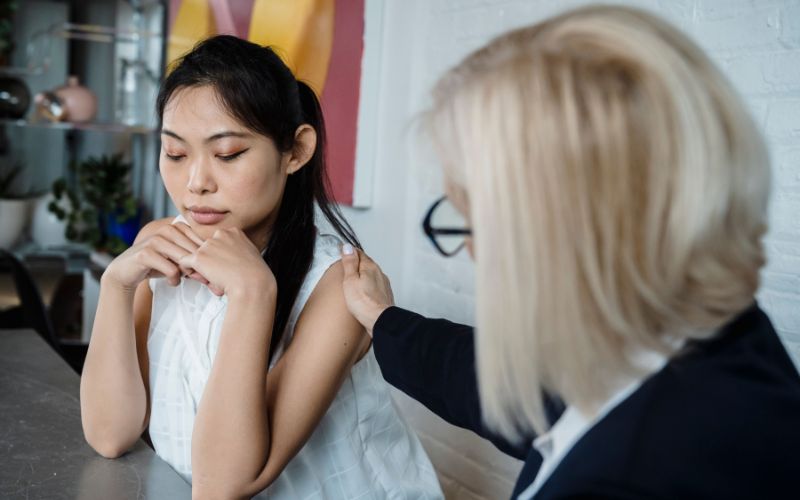
Still, things are slowly shifting. Young Nepalis, especially in cities, talk more openly about mental health now. Social media helps spread awareness. Someschoolsand colleges added counseling support for students.
A few brave public figures have shared their own struggles. This matters a lot. When someone people respect speaks up, it gives others courage too. Slowly, the word “therapy” feels less scary and more normal.
Some organizations now offer cheap or free counseling. Helplines exist for people in crisis. These steps are small but important. They show Nepal is moving, even if slowly, toward better mental health support.
What Needs to Happen Next
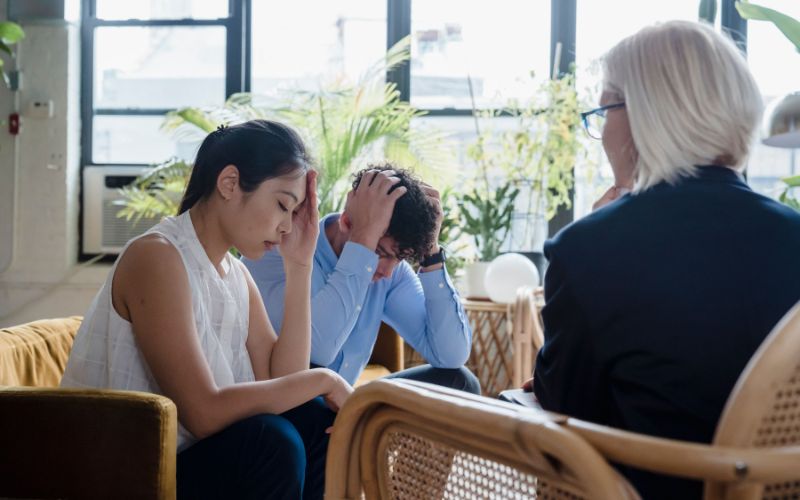
Real change needs more effort from many sides. Schools should teach students about emotions and mental health from young age. This builds awareness early, before stigma takes root.
Government support also matters. More funding for mental health clinics, especially outside cities, would help thousands who currently have no access. Insurance covering therapy costs could remove another big barrier.
Media has power too. Movies, TV shows, and news stories can showtherapyin a normal, caring light instead of mocking it. Stories of real people getting help and living better lives can change minds faster than any lecture.
Families need to learn as well. Parents and elders should understand that seeking help isn’t shameful, it’s brave. A supportive home makes it easier for someone to ask for help without fear.
A Path Forward
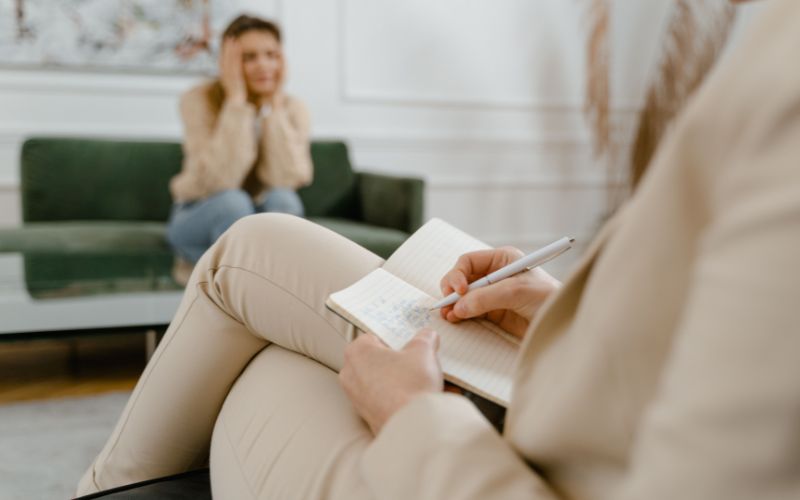
Breaking stigma won’t happen overnight. It takes time, patience, and many small steps from individuals, communities, and leaders together. But every conversation about mental health, every person who speaks up, every counselor who opens a clinic, moves Nepal closer to a kinder, more understanding society.
Mental health matters just as much as physical health. The sooner Nepal accepts this truth fully, the sooner more people can heal, grow, and live without hiding their pain.
Also Read
The World’s Smallest Chef, Le Petit Chef, Has Finally Arrived in Kathmandu, June 2026
Miss Nepal 2026 Is Officially Underway: 24 Finalists to Be Revealed at Tomorrow’s Sash Ceremony
Rise of Bold Makeup: Why Graphic Liners and Face Art Are Taking Over in 2026
Tips and Tricks to Achieve a Flawless Makeup Base, June 2026
Similar News