How Music Changes the Way We Remember
- Life Style
- Wellness
-
 The Buzz Nepal
 - May 31 , 2026
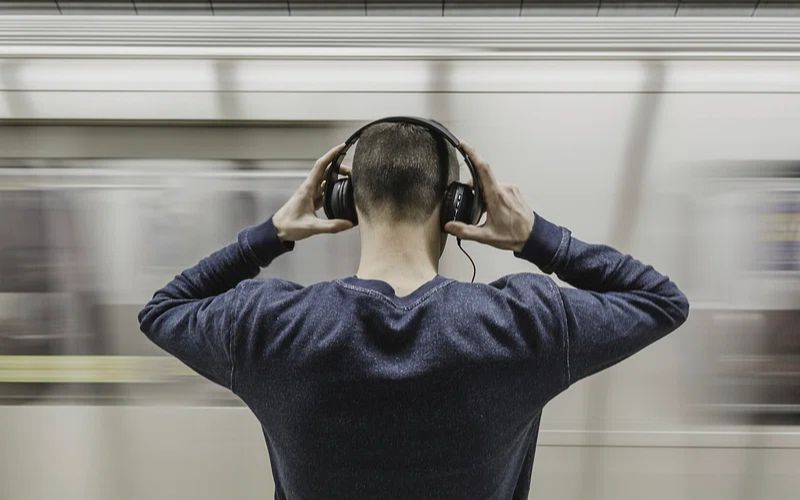
There are few things as powerful as hearing a song or a piece of music you have not listened to in years.
Within seconds, you are no longer standing where you are. You are somewhere else entirely. A classroom. A long bus ride. Achildhoodbedroom. A concert crowd. A late-night drive with friends. The details return with surprising clarity—the weather, the conversation, even the emotions that accompanied that particular moment.
Music has a unique ability to transport us through time.
Unlike photographs, which capture a single image,songsoften capture a feeling. They become attached to experiences without us realizing it. A track played repeatedly during a holiday becomes linked to that trip forever. An album listened to during a difficult period of life can instantly bring back emotions years later. Even songs we claim not to like can become powerful reminders of a specific chapter in our lives.

Part of what makes music so memorable is its presence in everyday life. It accompanies celebrations, heartbreaks, milestones, routines, and transitions. It plays in the background while we study, travel, work, or spend time with people we care about. Because music is woven into so many experiences, it becomes intertwined with memory itself.
This is why playlists often feel like personal archives.
Scroll through an oldplaylistand it can read like a diary. Certain songs represent a particular friendship. Others recall a relationship, a phase of self-discovery, or a period of uncertainty. Some tracks remind us of who we were, while others remind us of who we hoped to become.
The relationship between music and memory is also deeply emotional. People often remember how a song made them feel long after they have forgotten where they first heard it. A familiar melody can trigger nostalgia, joy, sadness, comfort, or excitement almost instantly. Few art forms create such immediate emotional responses.
In an era where music is more accessible than ever, listeners have become collectors ofmomentsas much as songs. Streaming platforms allow us to save tracks for every mood and occasion. We build playlists for road trips, rainy days, workouts, celebrations, and heartbreaks. Without realizing it, we are documenting our lives through sound.
Years later, those collections become time capsules.
A song that once played through cheap earphones on a crowded commute may one day evoke memories more vividly than a photograph from the same period. The music becomes a key, unlocking memories that seemed forgotten.
Perhaps that is why people continue to form such strong connections with music. Beyond entertainment, songs become markers of time. They help us organize our experiences, remember our past, and revisit moments that might otherwise fade away.
Life moves quickly. People change. Places evolve. Entire chapters come and go.
Yet sometimes all it takes is the opening notes of a familiar song to bring a piece of the past back to life.
Also Read
From Thrift Stores To Flea Markets: Young Nepal’s Fashion Shift in 2026
Why Everyone’s Suddenly Obsessed With Digital Cameras Again in 2026
Dharan, Get Ready: SWAR To Headline Summer Music Fest 2026
Cinema’s Billion Dollar Club: Top 10 Highest-Grossing Films of All Time
Similar News