Rato Machhindranath Jatra Begins With its First Stop at Gabahal
- Entertainment
-
 The Buzz Nepal
 - May 2 , 2025
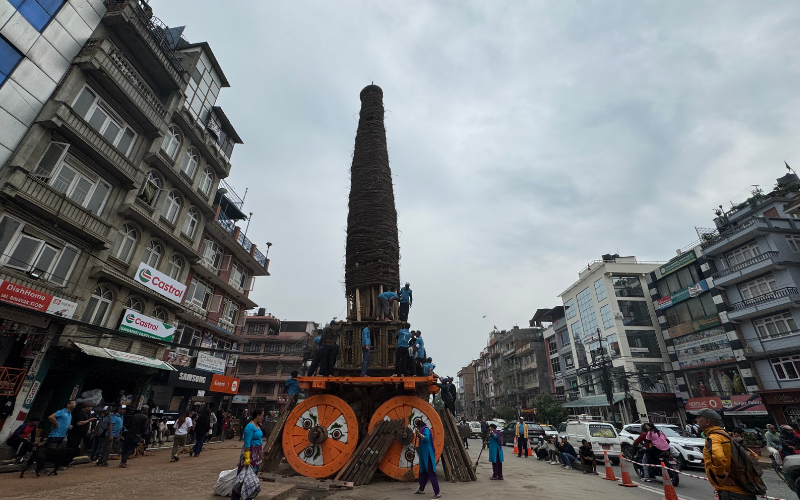
Rato Machhindranath Jatra is more than a religious procession; it is a month-long celebration of community, tradition and hope. This jatra is also known as the Bunga Dyo Jatra and Karunamaya Jatra. This name originates from the name of Padmapani Lokeshwor from Bungamati. The festival is believed to invoke monsoon rains, essential for agriculture in the region.
The legend of Rato Machhindranath begins during the reign of King Narendra Deva in the 7th century when faced with a devastating drought, the king guided by divine visions and spiritual leaders invited the deity to restore balance and bring rain. Since then, a towering chariot has carried the image of Rato Machhindranath through the streets of Patan every year, symbolizing its eternal watch over the land and its people.
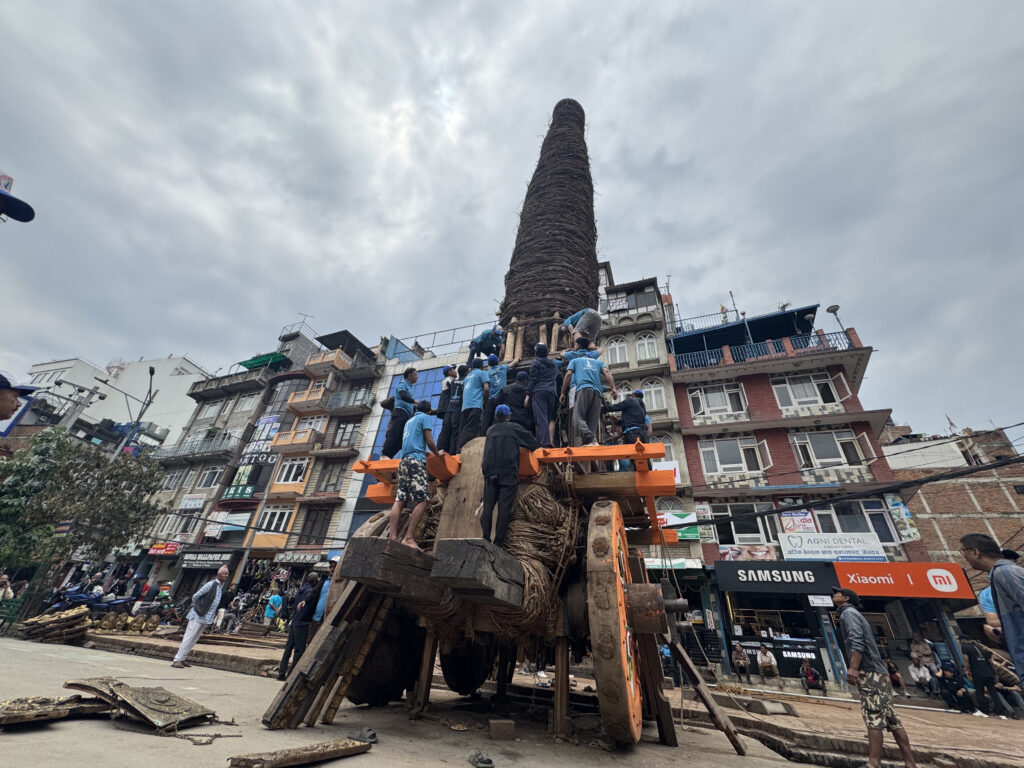
Building the Chariot: A Ritual of Devotion
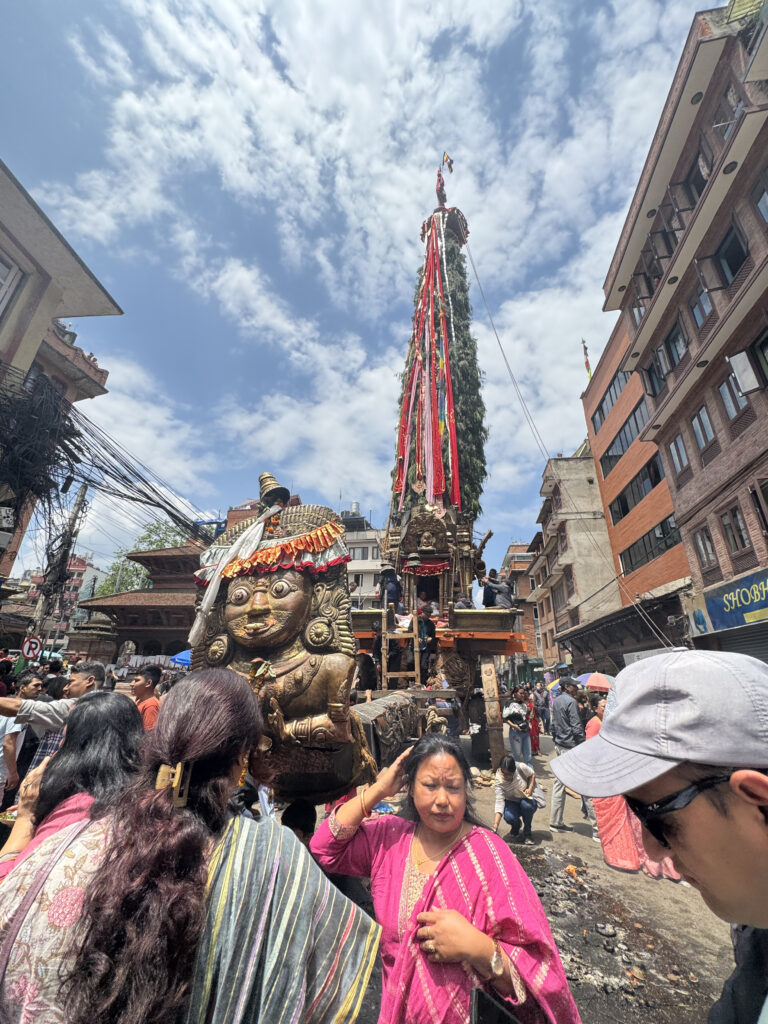
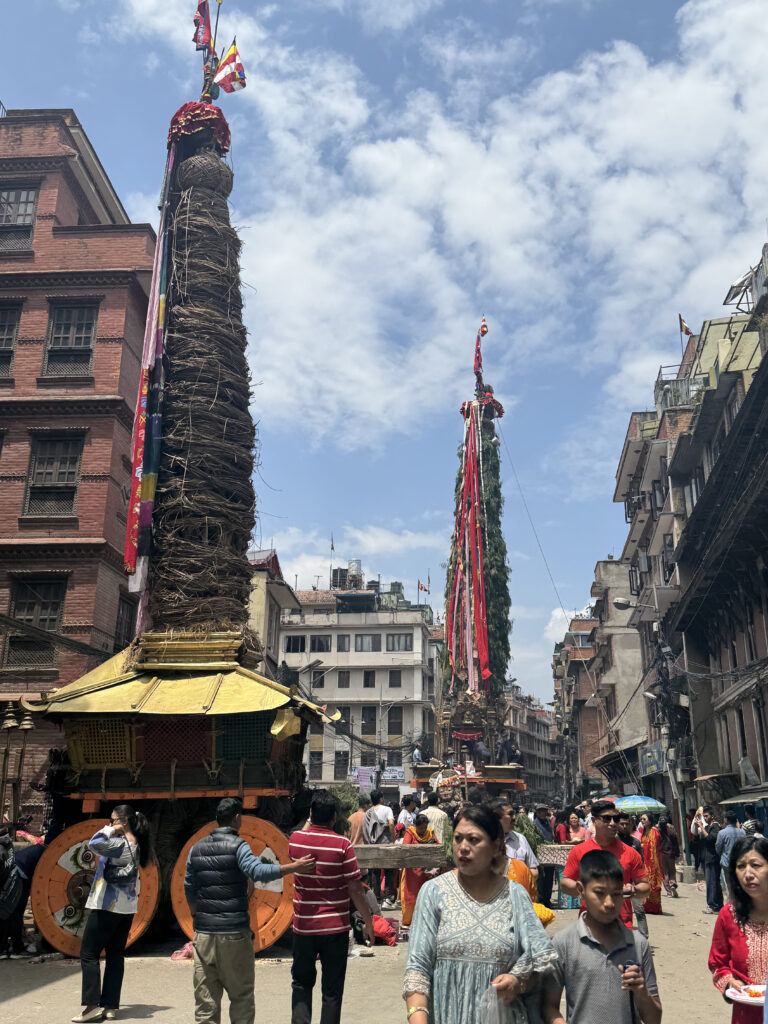
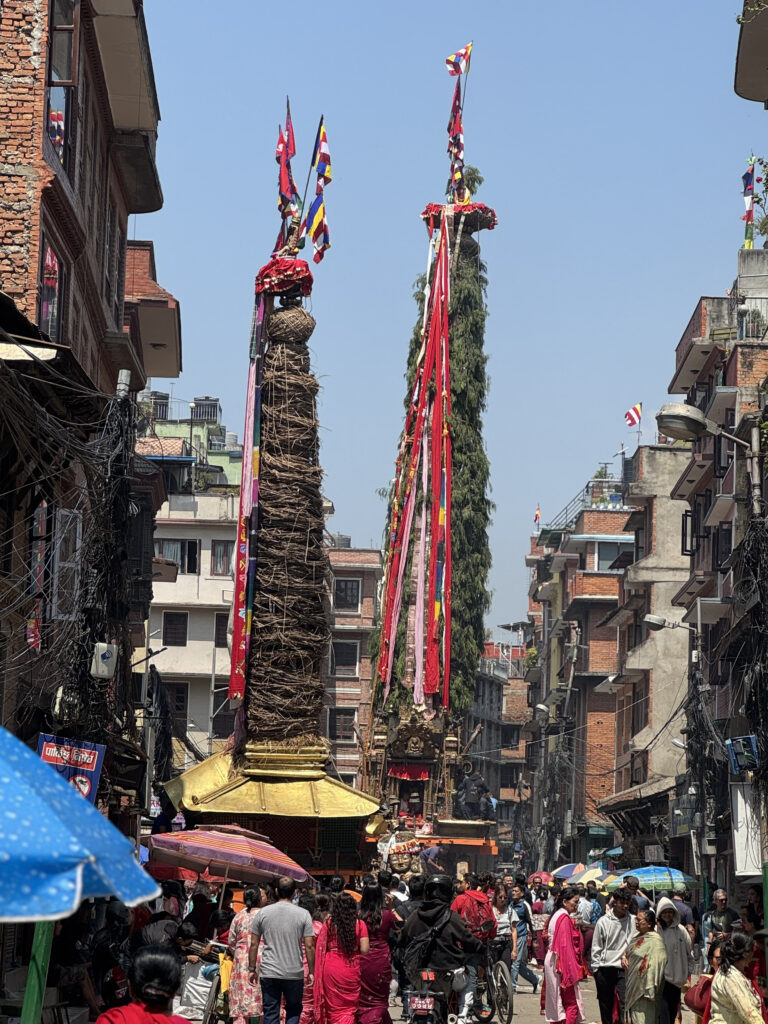
The festival kicks off with the construction of a massive, 60-foot-high wooden chariot at Pulchowk, crafted entirely by traditional artisans using ancient techniques passed down for generations. The image of the deity is then enshrined in the chariot, signaling the beginning of the grand procession. The rato machhindranath chariot is then welcomed by the Minnath Chariot signaling the start of the Jatra.
The Route
The chariot procession weaves through Patan’s historic alleys and neighborhoods in a path that has remained unchanged for centuries. The journey starts from:
Pulchowk (starting point)
Gabahal
Mangal Bazar
Sundhara
Chakrabahil
Lagankhel
Jawalakhel (final stop)
One of the most symbolic moments of the procession happens between Iti and Thati, where women take over the task of pulling the chariot, a tradition known as Yākah Misāyā Bhujyā, celebrating feminine strength and community involvement.
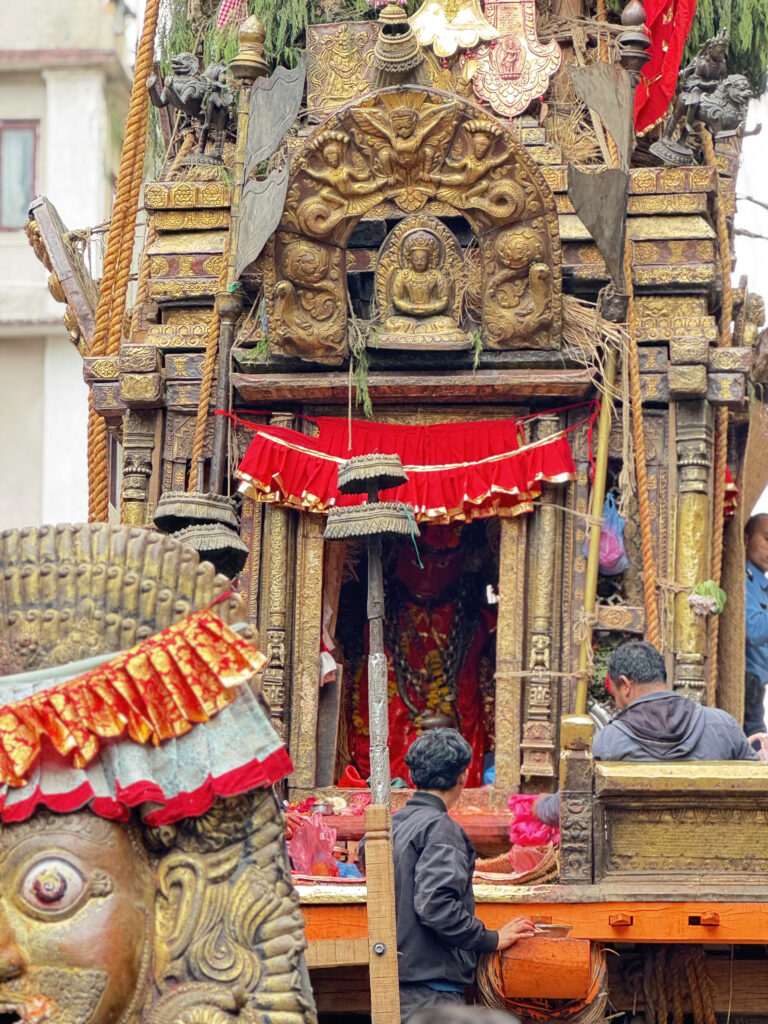
Some glimpses of Rato Machhindranath Chariot at Gabahal
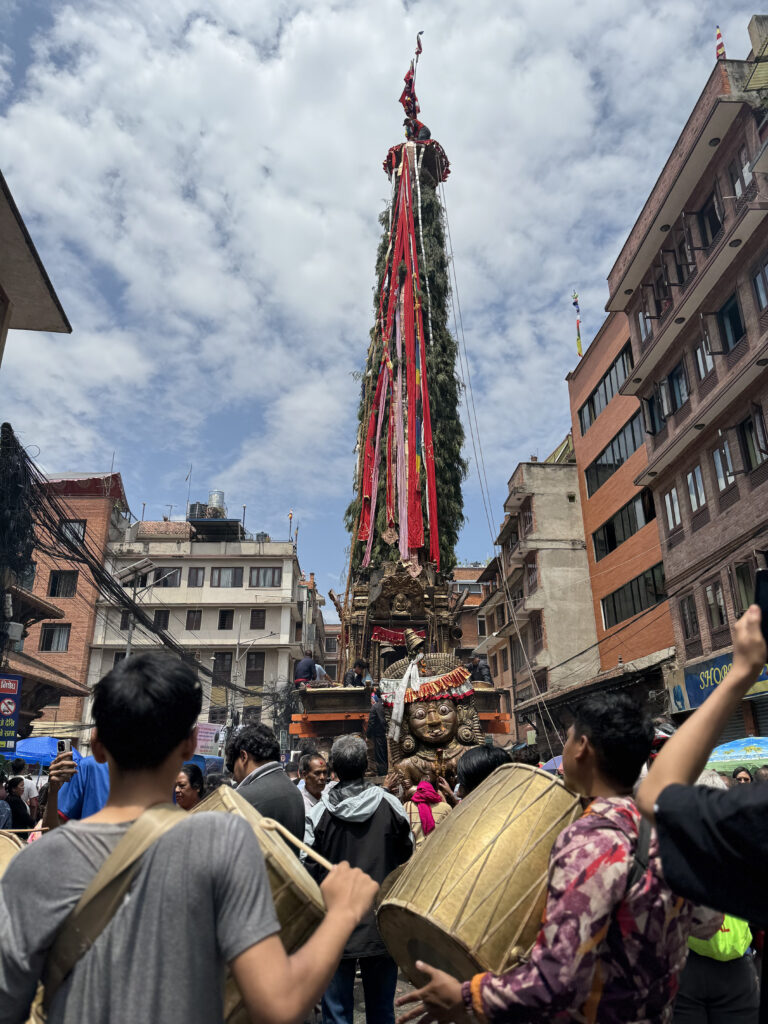
When to Witness the Jatra
The Jatra begins in the late Baisakh month of the Nepali calendar and runs through till Shrawan. The Jatra procession starts after 3:00 pm.
While the Jatra is rich in myth and celebration, it also serves a deeply practical and symbolic purpose to invoke timely monsoon rains. The Kathmandu Valley, reliant on agriculture, has for centuries looked to Rato Machhindranath for weather that ensures survival and abundance.
Also read:
Re:Fuel by Aloft : A Haven for Coffee Lovers
More Than a Day: Why Moms Deserve Appreciation Every Day
Beyond Footwork: The Soulful Dance of Kathak with Namrata KC
Sushi, Strategy and Success: The Story of Arjun Adhikari
Make Her Feel Truly Special This ‘Matatirtha Aunsi’ at Aloft Kathmandu Thamel
Similar News