Understanding the Shelf Life of Makeup: When to Replace Your Beauty Products
- Expert Tips
- Make Up
-
 The Buzz Nepal
 - March 20 , 2026
The Buzz Nepal Makeup Expert Tips & Suggestions
Makeup is an essential part of many beauty routines, but one critical factor often overlooked is its shelf life. Like skincare and food, cosmetics do expire, and using them beyond their safe period can lead to irritation, breakouts, or even infections. For both everyday users and professional makeup artists, knowing when to replace products is key to maintaining hygiene and protecting skin health.
Why Makeup Expires
Cosmetic products are formulated with active ingredients, oils, and preservatives that naturally degrade over time. Once opened, makeup is exposed to air, bacteria, and environmental pollutants, which gradually compromise its texture, performance, and safety.
Most products feature a small open-jar symbol indicating the Period After Opening (PAO): a guideline showing how long the product remains safe to use after first use.
Shelf Life Before Opening
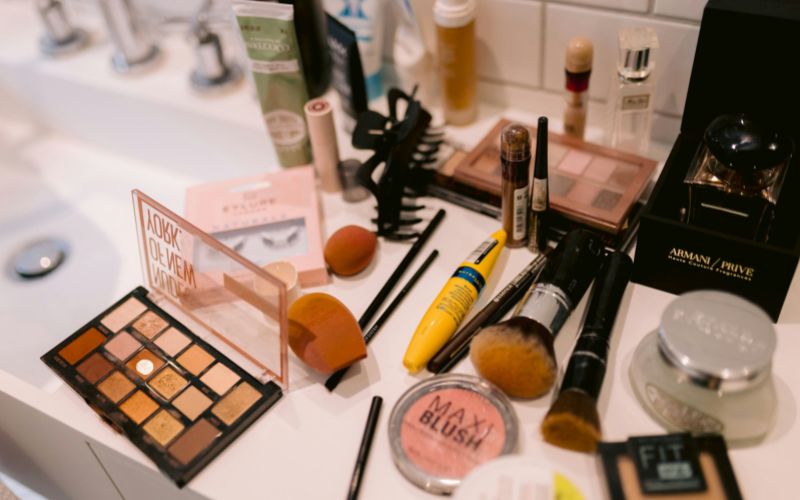
Unopened makeup products typically last two to three years, depending on their formulation and how they are stored. To preserve their quality, keep them in a cool, dry place away from direct sunlight.
Shelf Life After Opening
Once opened, products have a much shorter lifespan. Here’s a practical guide:
- Mascara & Liquid Eyeliner (3–6 months)
High risk of bacterial contamination due to frequent contact with the eyes. - Liquid Foundation & Concealer (6–12 months)
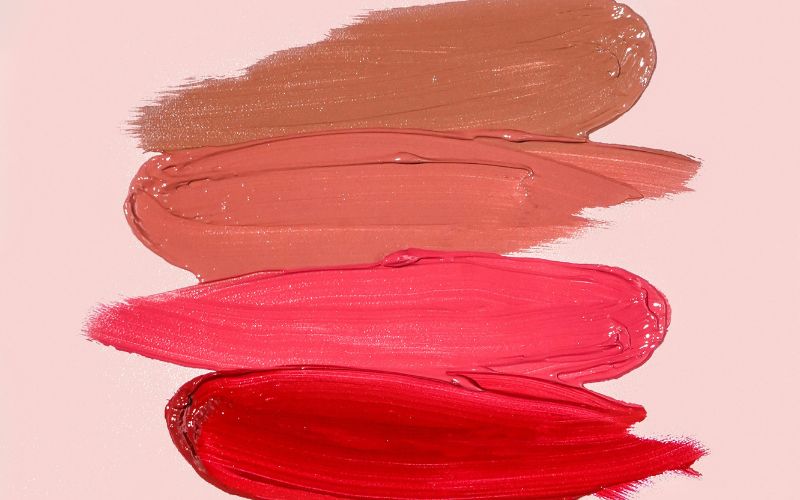
Discard if you notice separation, oxidation, or an unusual smell. - Cream-Based Products (6–12 months)
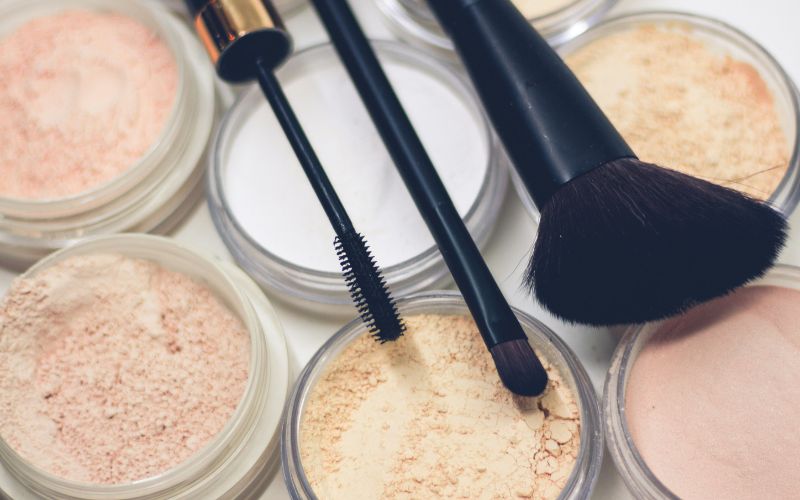
Includes cream blush, contour, and highlighter. Their moisture content makes them more prone to bacteria. - Powder Products (18–24 months)
Blush, bronzer, and eyeshadow last longer due to low water content. - Lipsticks & Lip Liners (12–18 months)
Replace if they become dry, develop an off smell, or change in texture.
Signs Your Makeup Has Expired
Even without tracking dates, your products will show visible warning signs:
- Unusual or rancid smell
- Separation of ingredients
- Changes in colour or texture
- Skin irritation, redness, or breakouts after use
When in doubt, it’s safer to replace the product than risk skin damage.
Maintaining Hygiene in Your Makeup Kit
Whether for personal use or professional work, hygiene should never be compromised:
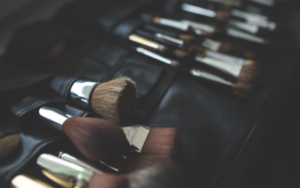
- Always use clean brushes and applicators
- Avoid sharing makeup products, especially eye and lip items
- Close packaging tightly after use
- Regularly clean and sanitise tools
Good hygiene not only extends product usability but also protects your skin from infections and irritation.
Understanding makeup shelf life goes beyond organising your beauty collection, it’s about skin safety and performance. Fresh, well-maintained products deliver better results, apply more smoothly, and reduce the risk of unwanted skin issues.
If a product looks, smells, or feels off, trust your instincts; it’s time to let it go.
About Expert
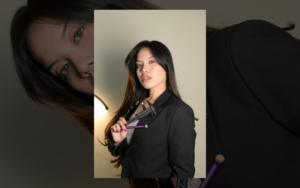
Muskan Goyal is a Kathmandu-based certified makeup artist and beauty creator known for blending soft, natural glam with bold, expressive artistry. From bridal to editorial looks, her work focuses on enhancing individuality rather than concealing it.
Instagram:@muaskan._/@muskangoyal.

Also Read
Bikki Gurung Is Finally Coming Home: Nepal Tour 2026 Announced
Malati Mangale’s Title Song “Sunaiko Sapani” Crosses 79K Views Within 24 Hours
Kathmandu Just Got a Whole Lot More French
Eco-Friendly Habits That Actually Fit Your Lifestyle
“Spider-Man: Brand New Day” Brings a New Chapter to Screens This July
Similar News