How K-Pop and Anime Are Shaping Nepali Youth Culture
- Entertainment
-
 The Buzz Nepal
 - January 4 , 2026
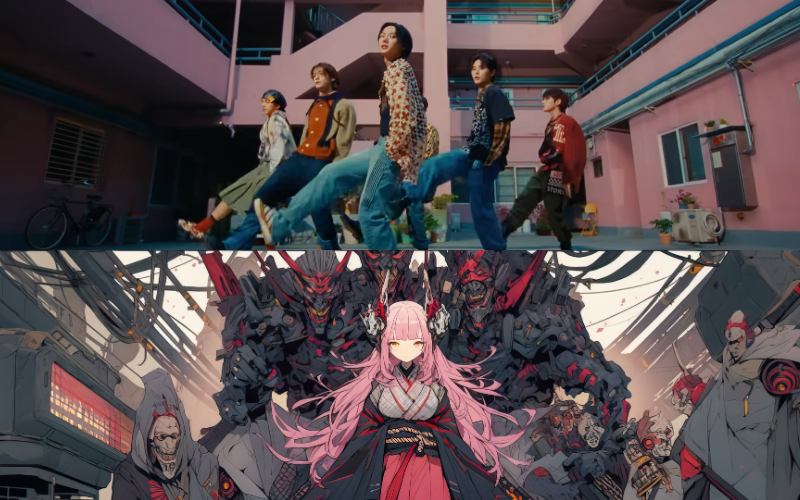
Walk into any college canteen in Kathmandu today and you’ll likely hear a mix of Korean pop music and conversations about latest Japanese anime playing on someone’s phone. What once felt niche or foreign has now become part of everyday youth culture in Nepal. K-pop and anime are no longer just entertainment trends, they are shaping how young Nepalis dress, communicate, express emotions, and even understand identity.
This cultural shift is especially visible among Gen Z and younger millennials, who grew up with global access through the internet. With platforms like YouTube, TikTok and Netflix, international content is now just a click away. As a result, Nepali youth are consuming stories and aesthetics that feel more emotionally expressive, visually creative, and socially progressive than traditional mainstream media.
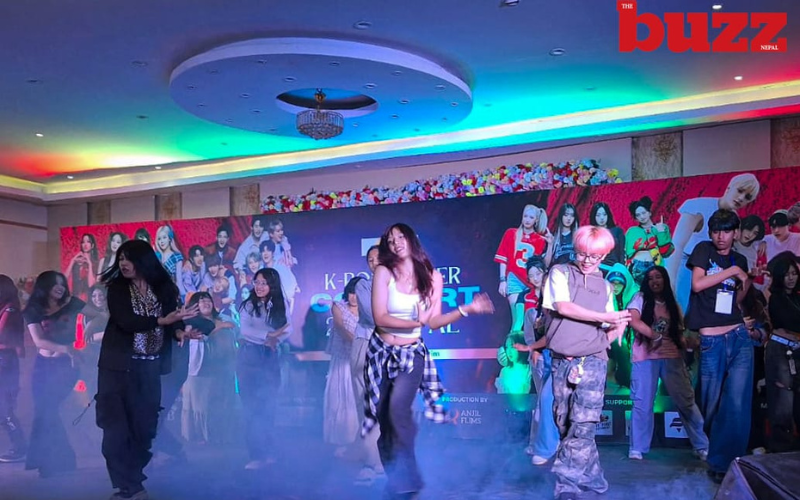
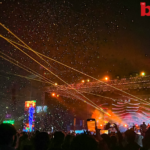
K-pop, in particular, has transformed fan culture in Nepal. What began as listening to songs has evolved into dance cover groups, fan events, merchandise pages, and even full-scale conventions like Kpop World Festival. Dance studios in Kathmandu now regularly offer K-pop choreography classes, and it’s not unusual to see teenagers learning Korean phrases alongside their schoolwork. Beyond music, K-pop introduces ideas of discipline, teamwork, self-expression, and emotional openness., qualities that resonate deeply with young people navigating academic pressure and social expectations.
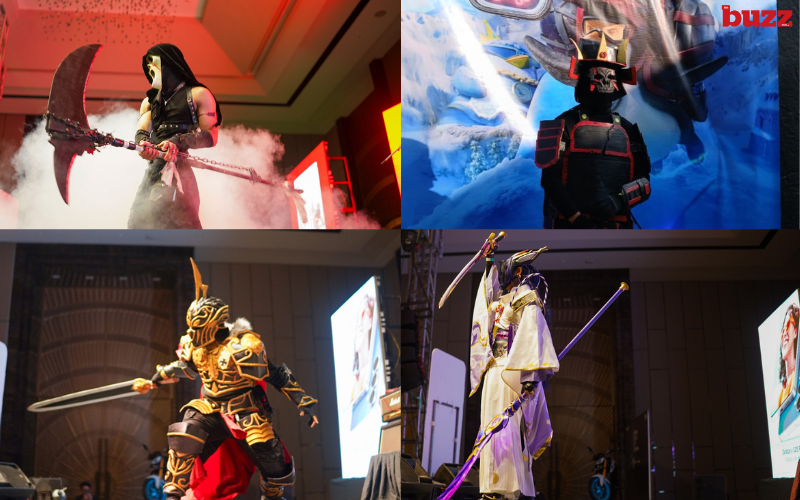
Anime has had a quieter but equally powerful influence. For many Nepali youth, anime offers stories that explore friendship, perseverance, loneliness, ambition, and moral conflict in ways that feel personal. Characters are allowed to be flawed, emotional, unsure, and evolving, which reflects the inner lives of many young viewers. Anime has also influenced fashion and art, with oversized hoodies, graphic tees, pastel hair colors, and sketch-style illustrations becoming common among creative youth in urban Nepal. Fan festivals like Otaku Jatra have become a place where otaku fans come together and feel at home.
Importantly, this global influence does not erase Nepali identity, it reshapes it. Young people are blending global culture with local values. You might see someone wearing a K-pop inspired outfit while attending a family puja later in the day. A student might write fan fiction online but still participate fully in festivals like Dashain and Tihar. This cultural hybridity shows that Nepali youth are not abandoning tradition; they are simply adding new layers to it.
However, the shift also creates tension. Older generations sometimes see these interests as distractions, foreign obsessions, or signs of cultural loss. Yet for many young people, K-pop and anime are not escapes from reality, they are tools for emotional connection, creativity, and self-understanding. They offer language for feelings that are hard to express, communities that feel accepting, and stories that feel validating.
Ultimately, the rise of K-pop and anime in Nepal reflects something deeper: a generation searching for meaning, belonging, and expression in a rapidly changing world. These global influences are helping Nepali youth build identities that are emotionally aware, culturally flexible, and creatively engaged. And in doing so, they are quietly redefining what it means to be young in Nepal today.
Also Read
Winter Comfort Foods to Keep You Warm: Easy Nepali Recipes to Try This Season
“Gobar Ganesh” Official Releases Trailer and Airing Date
“Mero Hajura” From the world of “Radha”Out Now: Swoopna Suman’s Soulful New Music Video
Otaku Jatra Announces Its 2025 Winners at a Lively Wrap-Up Party in Kathmandu
Darling Maeju Premiere: Preezol Nepali’s New Nepal Bhasa Song
Similar News