Pet Selection for First-Time Pet Owners in Nepal, Depends Upon Your Lifestyle Says Expert, May 2026
- Life Style
- Animals
- Expert Tips
-
 The Buzz Nepal
 - May 27 , 2026
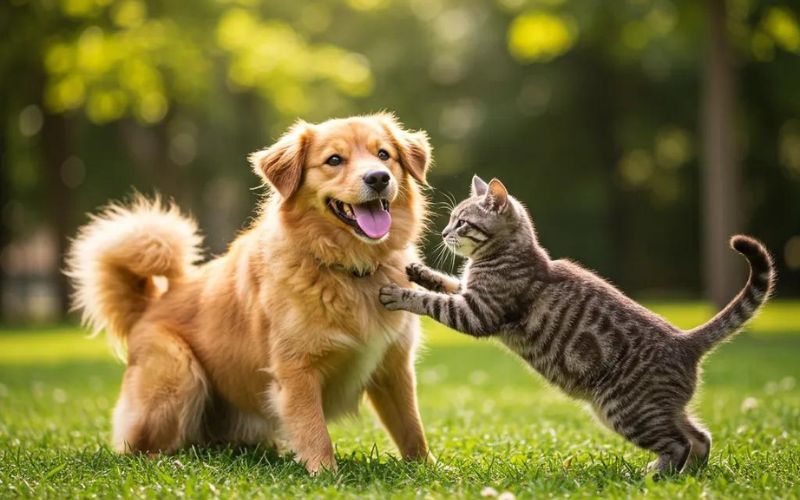
Pet Selectionfor the first time is an exciting decision, but it also comes with long-term responsibility. In Nepal, pet ownership is increasing rapidly, especially in urban areas such as Kathmandu, Lalitpur, and Pokhara, where many families andyoung professionalsare adopting dogs and cats as companions. However, many first-time owners choose pets based only on appearance or popularity, which often leads to stress for both the owner and the animal.
Selecting the right pet should depend on your lifestyle, living space, budget, time availability, and long-term commitment. A pet may remain part of your family for 10–20 years, so the decision should be made carefully.
Understanding Your Lifestyle Before Choosing a Pet
The first step in pet selection is evaluating your daily routine and living conditions. A person living in a small apartment with a busy jobschedulemay not be able to manage a high-energy dog breed that requires long walks and constant attention. Similarly, someone with an active lifestyle may not enjoy caring for a very independent pet.
Before bringing home a pet, first-time owners should ask themselves:
- How much time can I spend with the pet daily?
- Do I live in ahouseor an apartment?
- Can I afford veterinary care, food, grooming, and emergencies?
- Do family members support having a pet?
- Will I still be able to care for the pet in the future?
Experts increasingly recommend matching the pet to the owner’s lifestyle rather than choosing based on appearance alone.
Dogs or Cats: Which Is Better for Beginners?
Dogs
Dogsare loyal, social, and affectionate animals. They are excellent companions for families and individuals who can dedicate time for exercise, training, and interaction. However, dogs require regular walks, vaccinations, grooming, and socialization.
For first-time owners in Nepal, beginner-friendly dog breeds often include:
- Labrador Retriever
- Golden Retriever
- Pug
- Beagle
- Indie/local mixed breeds
Labradors and Golden Retrievers are known for their friendly temperament and trainability, making them suitable for families. Pugs are smaller and adapt better to apartment living.
Local or mixed-breed dogs are also excellent choices. They are generally more adaptable to Nepal’s climate, often healthier, and may have fewer inherited genetic problems compared to some purebred dogs.

Cats
Catsare becoming increasingly popular in Nepal, especially among apartment dwellers and working professionals. Cats generally require less outdoor activity than dogs and are more independent.
Cats may be better for people who:
- Work long hours
- Live in smaller spaces
- Prefer quieter pets
- Want lower-maintenance companionship
Popular choices include:
- Domestic short-haired cats
- Persian cats
- Himalayan cats
However, Persian and long-haired breeds require regular grooming and may develop skin or respiratory problems if neglected.
Importance of Living Space
Housing conditions greatly influence pet selection. Apartment living is increasingly common in Nepal, especially in urban areas. Not all pets adapt well to limited indoor space.
For apartments:
- Cats are generally ideal.
- Small or low-energy dog breeds are better suited.
- Owners must ensure proper exercise and toilet training.
For houses with yards:
- Medium and large dog breeds may be appropriate.
- Pets still require daily interaction and exercise despite having outdoor space.
Apartment rules and landlord policies should also be checked before adopting a pet.
Financial Responsibilities
Many first-time owners underestimate the cost of pet ownership. Expenses include:
- Vaccinations
- Deworming
- Food and supplements
- Grooming
- Emergency treatment
- Sterilization/neutering
- Boarding during travel
In Nepal, veterinary services and pet products are improving rapidly, but quality care can still be expensive in major cities. Responsible owners should plan financially before adopting a pet.
Health Care and Vaccination
Vaccination and preventive health care are essential. Rabies vaccination is particularly important in Nepal because rabies remains a public health concern. Studies in Nepal show that vaccination awareness among pet owners is increasing, but proper record keeping and preventive care are still important areas for improvement.
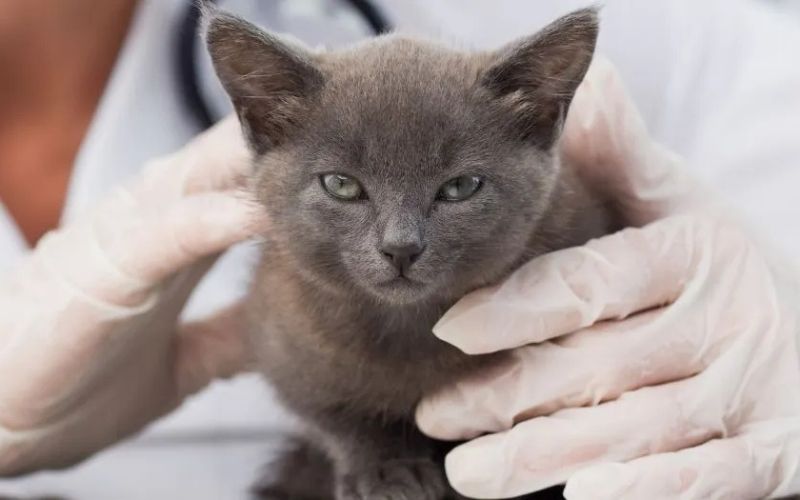
New pet owners should establish a relationship with a qualified veterinarian immediately after adoption. Early health checks help detect congenital diseases, parasitic infections, and nutritional deficiencies.
Adoption vs Buying
First-time owners should strongly consider adoption. Nepal has many rescued dogs and cats needing homes. Adopted animals can become excellent companions and are often already vaccinated or sterilized.
Buying from irresponsible breeders or pet sellers may encourage unethical breeding practices and increase the risk of hereditary diseases.
Responsible sourcing and guidance-based pet selection are increasingly recommended in Nepal.
Common Mistakes Made by First-Time Owners
Common mistakes include:
- Choosing pets based only on looks
- Ignoring breed temperament
- Underestimating expenses
- Lack of training and socialization
- Delaying vaccination and sterilization
- Impulsive purchasing
Many owners also fail to understand the long-term commitment involved. Pets need emotional attention, proper nutrition, exercise, and medical care throughout their lives.
Recommendations for First-Time Pet Owners in Nepal
For beginners in Nepal:
- Cats are often suitable for busy urban lifestyles.
- Local mixed-breed dogs are excellent, adaptable companions.
- Small to medium-sized dog breeds are easier for apartment living.
- Avoid high-energy or aggressive breeds without prior experience.
- Start with one pet instead of multiple animals.
- Learn basic pet behavior and training before adoption.
Families with children should choose calm, friendly, and trainable pets. Elderly owners may prefer lower-maintenance pets with moderate activity levels.
Conclusion
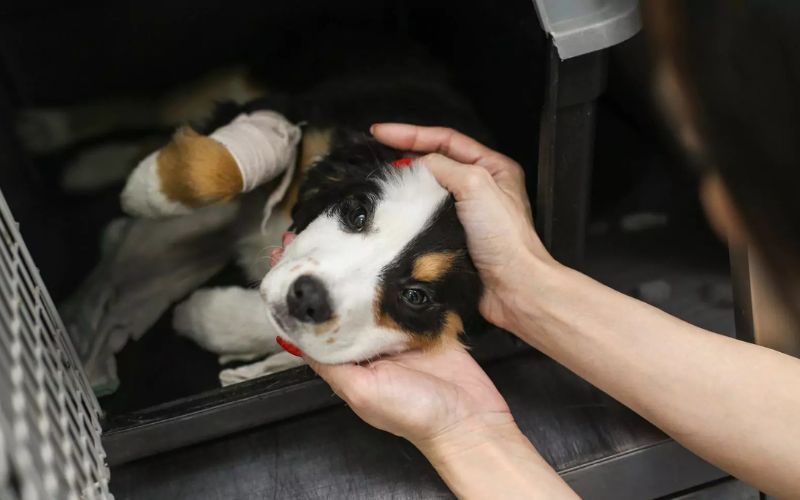
Pet ownership can bring companionship, emotional support, and happiness, but successful ownership begins with choosing the right pet. First-time pet owners in Nepal should carefully evaluate their lifestyle, financial capacity, housing conditions, and time commitment before making a decision.
A pet should never be chosen impulsively. Responsible pet selection improves animal welfare, reduces abandonment, and creates a stronger human-animal bond. Whether choosing a dog or a cat, the goal should always be to provide a safe, healthy, and loving lifelong home.
About The Author
Dr. Subash Rimal-veterinarian, academic, and animal welfare advocate is a trusted name in Nepal’s veterinary field. An Assistant Professor at the Institute of Agriculture and Animal Science (IAAS), Tribhuvan University. He also serves as a practicing clinician at Lifeline Veterinary Hospital & Research Centre, Lalitpur, where he blends science and compassion in his approach to animal care.
Contact Details:
Lifeline Veterinary Hospital And Research Centre
Location: Sanepa, Lalitpur
Instagram: @lifelinevet_hospital

Also Read
Argentina Await Messi Injury Update Ahead of World Cup Campaign, May 2026
Juni by Sajjan Raj Vaidya Is About Loving Someone Beyond This Lifetime, May 2026
Kathmandu’s Curated Flea Market Returns This Saturday, May 30 at Saskar Fine Dine
Maya Moha by The Hulaki: Raw, Powerful, Heartwarming | May 2026
Similar News