How to Deal With Season Change: A Guide to Staying Well, Inside and Out, June 2026
- Wellness
- Life Style
-
 The Buzz Nepal
 - June 21 , 2026
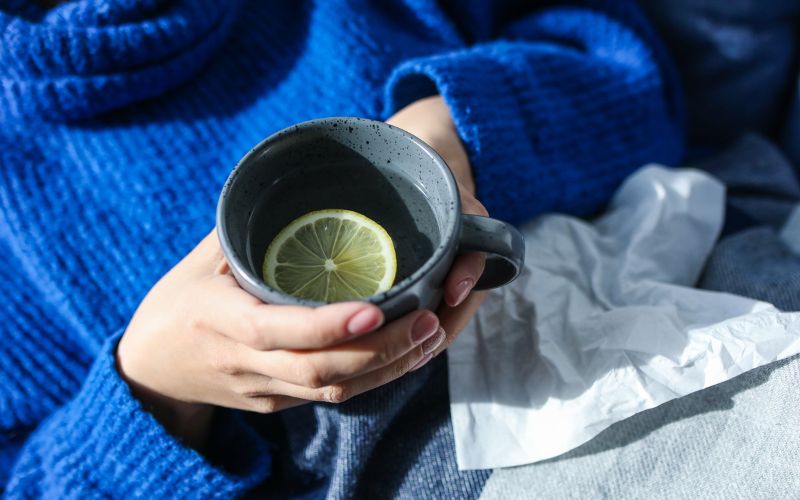
There is a reason so many of us feel a little off when the season change happens. As Nepal moves from the wet intensity of monsoon toward the cooler months ahead, thebodyand mind are quietly adjusting too, to changes in temperature, daylight, humidity, and rhythm. For many people, this transition brings fatigue, mood dips, skin changes, and a higher susceptibility to colds and infections. The good news is that with a little intention, season change does not have to derail your wellbeing.
Why Season Change Affects Us So Much
Our bodies are deeply responsive to environmental shifts. Changes in temperature and humidity affect everything from ourimmuneresponse to our sleep cycles, while shifts in daylight can influence mood regulating hormones like serotonin and melatonin. This is why the same person who feels energized and steady in one season can feel sluggish, irritable, or anxious in another. None of this is in your head. It is your body recalibrating.
Supporting Your Physical Health
Strengthen your immunity early. Seasonal transitions are when colds, flu, and allergies tend to spike. Prioritize sleep, stay hydrated, and lean into immune supporting foods like citrus fruits, ginger, turmeric, and leafy greens. A consistent routine matters more than any single remedy.
Adjust your skincare. Skin often reacts to humidity and temperature shifts before we consciously notice the season has changed. Lighten heavy creams as it gets warmer, or reintroduce more hydrating products as the air turns cooler and drier. Pay attention to how your skin actually feels rather than sticking rigidly to a routine that no longer fits the weather.
Keep moving, even if the routine shifts. Many people fall out ofexercisehabits during seasonal transitions, especially when weather becomes unpredictable. Building flexibility into your movement routine, indoor workouts on rainy days, shorter walks when it is too hot or too cold, helps you stay consistent without forcing yourself into uncomfortable conditions.
Mind your sleep environment.Temperaturechanges can disrupt sleep quality more than people realize. Adjusting bedding, room temperature, and even bedtime routines as the season shifts can make a meaningful difference in how rested you feel.

Supporting Your Mental and Emotional Wellbeing
Expect a transition period, and be gentle with yourself through it. It is common to feel a dip in energy or motivation as your body adjusts to a new season. This does not mean something is wrong with you. Giving yourself permission to move a little slower during the adjustment period can reduce the pressure that often makes seasonal changes feel harder than they need to be.
Get natural light when you can. Daylight exposure plays a significant role in regulating mood and energy. As seasons shift and daylight hours change, even a short walk outside in natural light can help stabilize your internal rhythm.
Watch for patterns, not just moments. A single low energy day is normal. But if you notice a consistent pattern of low mood, sleep disruption, or loss of interest that lines up with seasonal shifts year after year, it may be worth speaking with a doctor or mental health professional, since seasonal mood changes are a recognized and treatable experience.
Create small rituals around the transition. Many people find comfort in marking the change of season intentionally, refreshing their space, updating their wardrobe, or simply taking a moment to acknowledge that a shift is happening. These small rituals can offer a sense of grounding during a time that often feels unsettled.
The Bigger Picture
Season change is not something to push through, it is something to move with. Your body and mind are not malfunctioning when they respond to a shifting environment, they are doing exactly what they are designed to do. The goal is not to resist the transition, but to support yourself gently through it, with enough rest, nourishment, movement, and self-compassion to meet the new season feeling like yourself.
Also Read
From Stadium to Street Style: How Football Jerseys Became Fashion’s Hottest Statement Piece in 2026
Barely There, Everywhere: Why Nude Nails Are the Biggest Beauty Trend Right Now in 2026
Kathmandu Is Getting Its Own International Film Festival, and It Was Inspired by Cannes, June 2026
Similar News