Interior Expert – The Hidden Power of Scent in Interior Design
- Interior
-
 The Buzz Nepal
 - August 21 , 2025

When we think about interior design, the focus is usually on colors, textures, and lighting. But design goes beyond what we see, it also shapes how we feel. And one of the most overlooked yet powerful design elements is scent.
Have you ever walked into a five-star hotel and instantly felt calm, even before noticing the luxurious interiors? That’s the power of scent. Just as spaces can look designed, they can also be designed to smell a certain way.
Scent Branding in Commercial Spaces
Luxury stores, spas, and hotels often use signature scents to create a lasting identity. It’s called scent branding, and it’s a powerful way to influence mood and behavior. The same principle can be applied to our homes.
In Nepal, the growing popularity of indoor plants has brought freshness into many homes and cafés. Beyond aesthetics, plants naturally improve air quality and influence the subtle scents of a room. The freshness we breathe in from them is also part of our indoor scent palette.

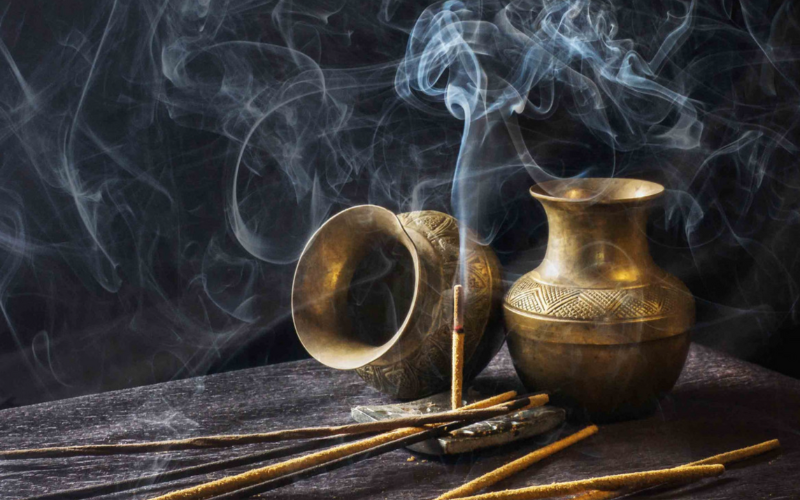
“At our studio, we often burn Tibetan Himalayan incense. Unlike synthetic air fresheners, these natural incense sticks – made from herbs, spices, and medicinal plants, carry a grounding and spiritual quality. They add a calming fragrance while creating a sense of peace and mindfulness in the environment. Scents, therefore, are not just aesthetic, they’re cultural and deeply human.”
Designing with Scent
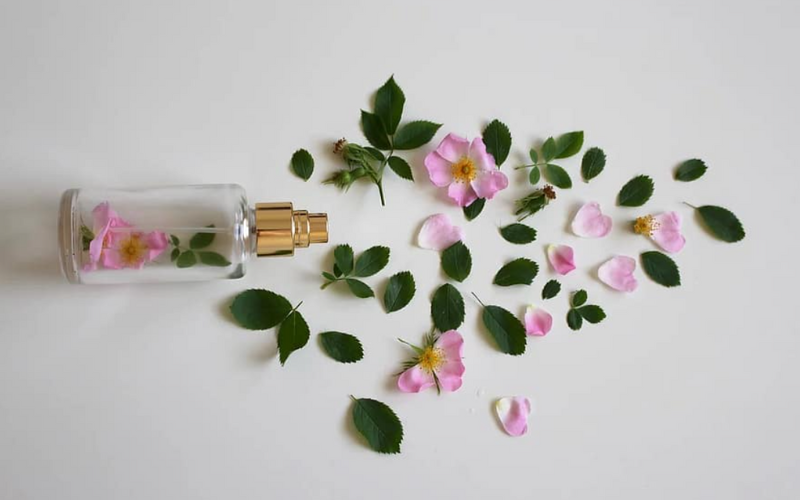
Scent can be introduced through diffusers, candles, incense, essential oils, indoor plants, or even natural materials like cedarwood. “The secret is subtlety, a good scent should never overpower but instead gently blend into the atmosphere, much like layered lighting.”
When chosen carefully, scents can create moods: citrus for energy, lavender for relaxation, or incense for grounding. Just like textures and colors, they help tell the story of a space and influence how people experience it.

“Lastly, Interior design is evolving from being just visual to becoming multi-sensory. So, the next time you think of designing a space, don’t just pick a color palette – pick a scent palette too. After all, your space should not only look good, it should also smell unforgettable.”
This shift toward multi-sensory design reflects a more holistic approach, where interiors don’t just appeal to the eye but engage emotions and memory through smell.
“Your space doesn’t just need a color palette; it needs a scent palette. From indoor plants to Himalayan incense, here’s why scent is the hidden X-factor in design.”
About Author
John D. Tamang is the Founder & CEO of both Group of Interior Architects (GIA) (Lazimpat-02) and Brush & Strokes (Uttardhoka). He also serves as a lecturer at the British Academy of Arts and Design (BAAD) in Ratopool. He completed his studies in 2019 from IEC College of Arts and Fashion.
Instagram: groupofinteriorarchitects

Also Read
“Bela Bitesi” from Hari Bahadur Ko Jutta Crosses 600K Views
Painting Moments into Memories
Similar News