Shield Yourself: How to Survive Summer’s Double Threat
- Life Style
-
 The Buzz Nepal
 - April 24 , 2026
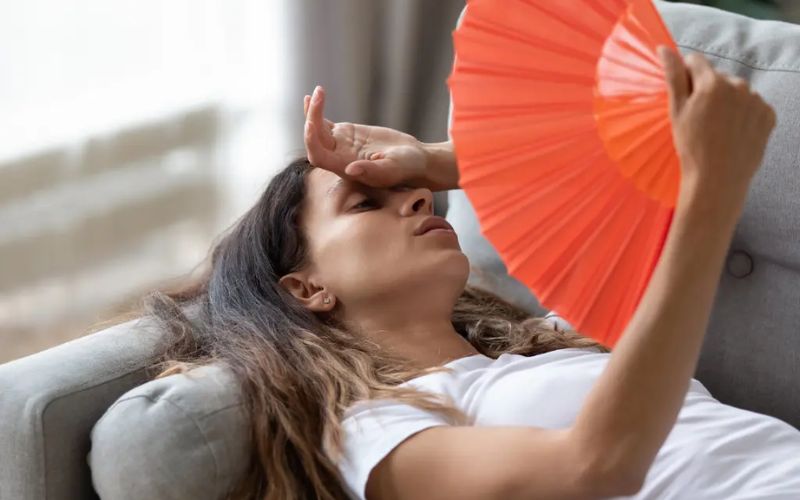
Every year, as the temperature climbs, millions of people step outside into conditions that quietly tax the body in two ways at once: blistering heat and air thick with invisible harm. We don’t talk about this combination enough.
There is a particular kind ofexhaustionthat settles in during the peak summer months. Not just the tiredness of a long day, but something heavier. A sluggishness in the chest. A headache that won’t fully lift. Skin that feels perpetually scorched. Most people chalk it up to “the heat.” But increasingly, what we’re dealing with is not one problem but two: extreme temperature and worsening air pollution, arriving together, compounding each other, and demanding that we pay far more attention than we typically do.
This is not a distant, abstract concern. Urbanair qualityhas deteriorated dramatically over the past two decades. On a hot summer afternoon in any major city, ground-level ozone forms when vehicle exhaust reacts with sunlight and spikes dangerously. Fine particulate matter from traffic, construction, and industry hangs in the heavy air. Meanwhile, the body is already working overtime just to keep cool. The heart pumps harder. The lungs breathe faster. And in doing so, they pull in more of whatever is floating in that air.
The two threats are not separate. They are asystem. And protecting yourself from summer means understanding both.
The Heat We Underestimate
We tend to treat heat as a discomfort rather than a danger. It is both. Heat exhaustion and heat stroke kill thousands of people every year, many of them healthy adults who simply didn’t recognise how quickly the body can be overwhelmed. The warning signs are easy to dismiss: a little dizziness, some nausea, feeling more tired than usual. By the time confusion sets in, the situation has already become an emergency.
The fundamentals of heat protection are well known but chronically under-practised. Hydration is the first and most important. Thirst is a lagging indicator. By the time you feel it, your body is already behind. Drinking water consistently across the day, not in rushed gulps when you remember, is the single most effective thing most people can do. On days of heavy exertion, electrolytes matter too. Water alone doesn’t replace the sodium and minerals lost through sweat.
Timing matters more than most people realise. The hours between 10 a.m. and 4 p.m. are not just uncomfortable; they are genuinely risky for sustained outdoor activity. Shifting your exercise, your errands, your outdoor time to the early morning or evening hours is not a small adjustment. It is, in many cases, the difference between a manageable summer and a dangerous one.
Clothingis underrated. Loose, lightweight, light-coloured fabrics do real physiological work: they reflect heat, allow sweat to evaporate, and reduce the body’s thermal load. A wide-brimmed hat is not a fashion choice; it is a shield. And sunscreen, applied consistently and reapplied every two hours, is non-negotiable for anyone spending meaningful time outdoors.
The Air We Ignore
If heat is underestimated, air pollution is almost entirely ignored in day-to-day life. People check the weather forecast religiously. Relatively few check the Air Quality Index before leaving home, even though it carries equally significant health implications.
Fine particulate matter, known as PM2.5, is small enough to pass through the lungs and enter the bloodstream directly. Long-term exposure is linked to heart disease, stroke, lung cancer, and cognitive decline. Short-term spikes, the kind that happen on hot, still summer days in cities, cause immediate inflammation in the airways, trigger asthma attacks, and strain the cardiovascular system. Children and the elderly are most vulnerable, as are people with pre-existing conditions. But no one is immune.
The practical response begins with information. Air quality data is publicly available in most countries, updated in real time, and accessible through a handful of free apps. Checking it takes ten seconds. When the AQI climbs above 100, sensitive groups should begin limiting outdoor exertion. Above 150, everyone should. Above 200, staying indoors with windows closed is the sensible choice.
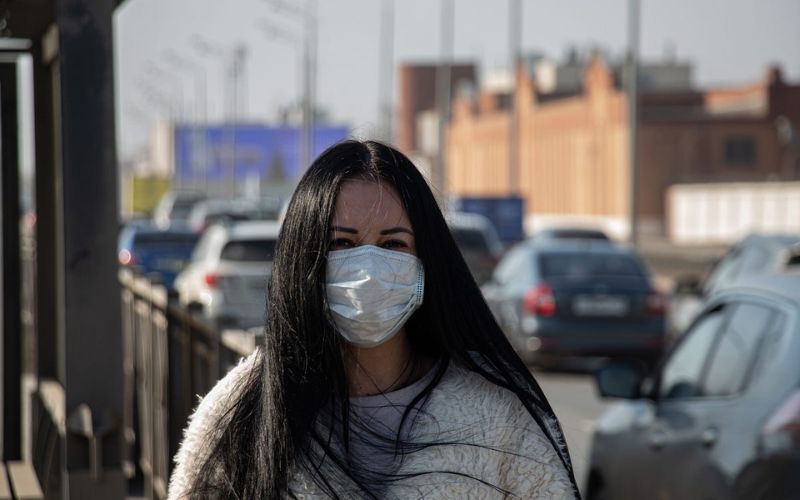
On high-pollution days when going outside is unavoidable, the mask you choose matters enormously. Standard cloth masks and surgical masks offer minimal protection against fine particles. An N95 or KN95 respirator, properly fitted and sealed against the face with no gaps, filters out 95% of airborne particles. For people who live in cities with chronic pollution problems, owning a few of these is simply good sense.
Indoors, the picture is more complicated than most people assume. Indoor air is frequently more polluted than outdoor air, laden with dust, cooking smoke, mold spores, and chemical off-gassing from furniture and paint. A HEPA air purifier in the rooms where you spend the most time makes a measurable difference. Proper ventilation while cooking reduces the buildup of particulates at home. And diet plays a supporting role: foods rich in Vitamin C, antioxidants, and omega-3 fatty acids help the body manage the cellular stress that pollution exposure causes.
A Habit, Not a Checklist
What this all points to is a shift in how we approach summer. Not as a season to endure but as a set of conditions to actively manage. The people who come through the hottest, haziest months in good health are not those with the most elaborate routines. They are the ones who have built a few core habits so deeply that they become automatic.
Check conditions before you leave the house. Drink water before you’re thirsty. Dress for the temperature and the sun. Know what poor air quality looks like and have a mask available. Move your outdoor time away from the worst hours of the day. Pay attention to how your body feels, not just when something goes wrong, but as a daily practice.
The heat and the haze are not going away. If anything, both are intensifying. The response cannot just be discomfort and hope. It has to be knowledge, and then action: small, consistent, and taken seriously before the season reaches its peak.
Your body is remarkably resilient. But it works best when you work with it.
Also Read
Glow Without the Melt: Summer Makeup Secrets Every Artist Swears By
The Best Day Hikes from Kathmandu Before the Monsoon Hits in 2083
World Book and Copyright Day 2026: Celebrating the Written Word
Similar News