World Book and Copyright Day 2026: Celebrating the Written Word
- Life Style
-
 The Buzz Nepal
 - April 23 , 2026
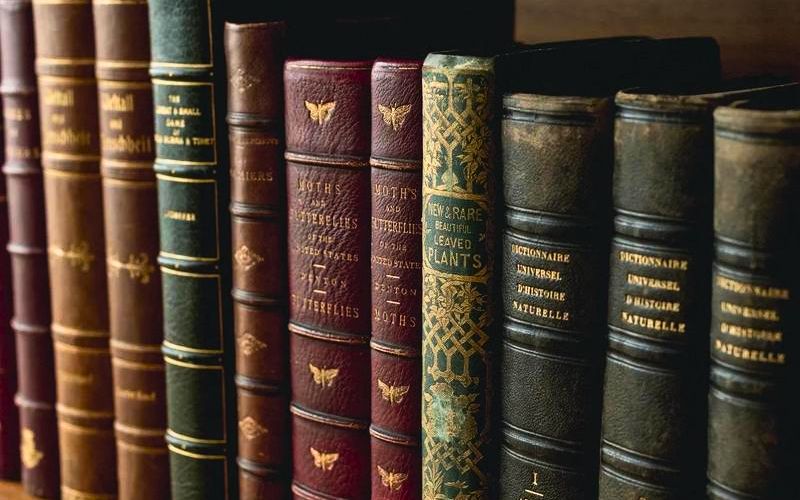
Today, April 23, the world pauses to honor the power ofbooks, and Nepal, with its rich literary heritage and growing reading culture, has every reason to join in.
Every year on April 23, the world observes World Book and Copyright Day, sometimes simply called World Book Day or the International Day of the Book, with a focus on promoting reading, publishing, and the protection of creative work through copyright.
A Date Chosen for the Ages
The origins of this day traces back to Catalonia in northeastern Spain, where April 23 has long been celebrated as La Diada de Sant Jordi, the feast day of Saint George. A cherished Catalan tradition sees couples exchange roses and books on this date, turning the streets of Barcelona into open-air bookshops. The custom eventually caught the attention of UNESCO, which in 1995 voted to establish April 23 as World Book and Copyright Day.
The date also carries extraordinary literary weight. April 23 marks the anniversary of the birth or death of a remarkable range of celebrated writers, including Miguel de Cervantes, William Shakespeare, Inca Garcilaso de la Vega, Vladimir Nabokov, and several others. That so many literary giants share this date made it a natural choice for aglobalcelebration of the written word.
Rabat Takes the World Book Capital Title in 2026
Each year, UNESCO designates a city as the World Book Capital, asking it to commit to a full year of literary events, investment in itspublishingindustry, and initiatives to promote literacy. For 2026, that city is Rabat, Morocco, the twenty-sixth to hold the title, following Rio de Janeiro in 2025, Strasbourg in 2024, and Accra in 2023.
Rabat’s programme this year focuses on improving access to books, supporting the local publishing industry, and strengthening literacy for all citizens, with celebrations beginning today.

Why It Matters in Nepal
Books preserve cultural heritage, supporteducation, and connect people across languages and generations. In Nepal, where oral traditions and written literature have coexisted for centuries, from ancient Sanskrit manuscripts to contemporary Nepali fiction, this day is a quiet but meaningful reminder of how much our stories matter.
The day also draws attention to the rights of creators. A large part of its purpose is raising awareness about copyright laws and ensuring that authors and creators receive proper recognition for their work. In an age where content is shared and reproduced with ease, protecting the efforts of writers, poets, and publishers is a conversation worth having.
How to Mark the Day
The simplest way to celebrate is to pick up a book. Whether it is a new title or an old favorite, reading alone or with your children is itself an act of celebration, and books have the ability to both entertain and teach.
Visit your local bookshop, browse a library, recommend a favorite Nepali novel to a friend, or simply sit with a cup of tea and read. On World Book and Copyright Day, that is more than enough.
“There is no friend as loyal as a book.” — Ernest Hemingway
Also Read
Earth Day 2026: A Planet at a Crossroads
Kathmandu Is Definitely Heating Up: Here’s How to Actually Enjoy It, April 2026
Sangeet Fest 2026: One Beat, One Purpose
The Importance and Timing of Animal Birth Control in Pets: Focus on Dogs and Cats
Similar News