Mental Health Wellness: Why It Matters More Than Ever
- Life Style
-
 The Buzz Nepal
 - June 8 , 2025
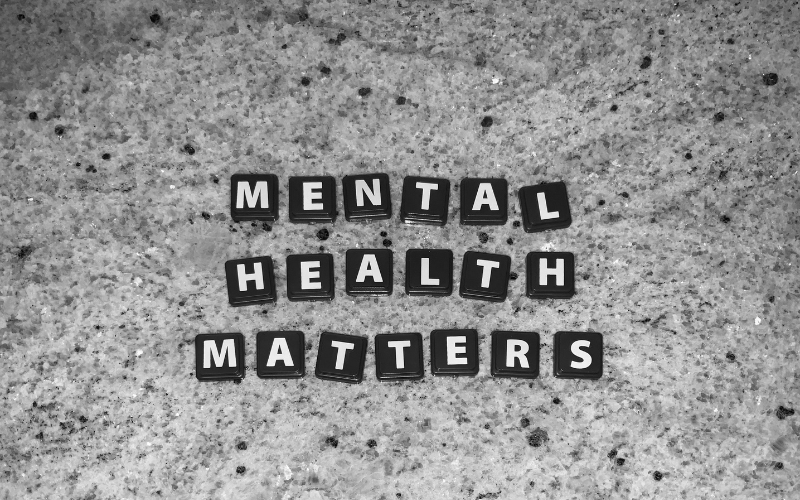
In a world where our to-do lists never end and our screens rarely turn off, taking care of our mental health has become not just important it is essential. Yet, mental wellness is often pushed to the bottom of the priority list, overshadowed by deadlines, expectations, and external noise. The truth is, your mental well-being is the foundation for everything else in your life from your relationships to your career, your physical health and your ability to find joy.
So, what does mental health wellness really mean and how can we nurture it amid the chaos of daily life? Let’s dive in.
What Is Mental Health Wellness?
Mental health wellness goes far beyond the absence of a mental disorder. It’s about emotional strength, resilience, self-awareness, and the ability to handle life’s ups and downs. A person who is mentally well can think clearly, manage stress effectively, maintain healthy relationships and make reasoned decisions.
Just like physical fitness, mental wellness requires consistent effort. It isn’t something we achieve once and check off. It is a lifelong journey of balance, reflection and growth.
The Mental Health Crisis We’re Facing
Recent years have seen a significant rise in mental health concerns worldwide. According to the World Health Organization, depression is now a leading cause of disability, and anxiety disorders affect over 300 million people globally.
Several factors contribute to this trend:
Technology and social media overload
Workplace stress and burnout
Isolation and loneliness
Economic uncertainty
Constant exposure to distressing news
While we can’t control every external stressor, we can control how we care for ourselves mentally and emotionally. The good news? Even small, intentional changes can have a big impact.

Five Daily Habits to Support Mental Wellness
Here are five practical, science-backed strategies to help improve your mental health and emotional resilience:
Start Your Day With Mindfulness
Taking 5–10 minutes each morning to pause and breathe mindfully can center your thoughts and reduce anxiety. Whether it’s through meditation, prayer or quiet reflection, this habit helps build mental clarity and calm before the day begins.
Move Your Body
Physical activity is one of the most powerful tools for mental health. Exercise boosts endorphins which are the body’s natural mood enhancers and helps reduce symptoms of depression and anxiety. Even a short daily walk or stretch session can improve your emotional state.
Limit Digital Overload
Constant notifications, doom-scrolling, and screen fatigue are draining. Create boundaries with your devices by setting tech-free hours or using “do not disturb” modes. Protecting your mental space is just as important as protecting your physical one.
Connect with Others
Social connection is a cornerstone of mental wellness. Make time for conversations that nourish you whether with friends, family, or support groups. If in-person isn’t possible, virtual meetups or even a thoughtful message can help reduce feelings of isolation.
Seek Support When You Need It
There is no shame in reaching out for help. Therapy, counseling, and mental health apps can provide guidance, perspective, and tools to help you cope. Asking for help isn’t a sign of weakness it is a courageous act of self-care.
Mental Wellness Is a Lifelong Practice
Caring for your mind is not a one-time fix, it’s an ongoing relationship with yourself. Some days will be harder than others, but building daily habits like gratitude journaling, nature walks, or evening reflections can help you stay grounded over time.
The more you prioritize your mental wellness, the better equipped you’ll be to navigate challenges, build strong relationships, and live a fulfilling life.
Also read:
Lemon Tree Premier Budhanilkantha Celebrates World Environment Day with a Week of Action
The Great Kabab Factory Pop-Up Arrives in Kathmandu: A Four-Day Culinary Extravaganza
Unko Sweater: Weaving Love and Tradition in Nepali Cinema
3 Best Sandwich Places Around Kathmandu
Prabal Gurung: Redefining Beauty, Power and Purpose in Fashion
Similar News