7 Incredible Ways Yoga Can Completely Transform Your Everyday Life
- Fitness
- Life Style
-
 The Buzz Nepal
 - July 5 , 2026

Yoga has been practiced for thousands of years, but itsrelevancein modern life has never felt more urgent. In a world of screen fatigue, chronic stress, poor posture, and disrupted sleep, yoga offers something quietly powerful: a practice that addresses not just the body, but the mind and nervous system all at once. Here are seven incredible ways a consistent yoga practice can completely transform your everyday life.
1. It Powerfully Melts Away Chronic Stress and Anxiety
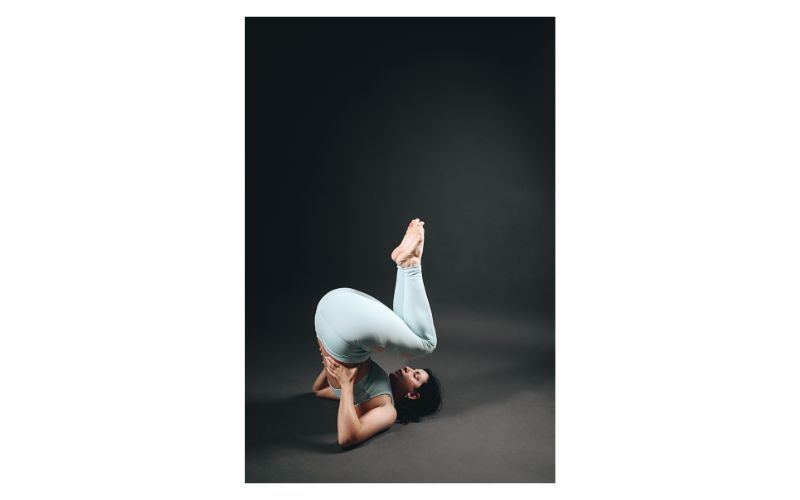
Perhaps the most well-documented benefit of yoga is its effect on thenervoussystem. Through slow, intentional breathing and mindful movement, yoga activates the parasympathetic nervous system, the body’s rest and digest mode, counteracting the constant state of fight or flight that chronic stress produces. Even a single session of yoga has been shown to reduce cortisol levels, the body’s primary stress hormone, making it one of the most accessible and effective stress management tools available.
2. It Effectively Fixes Poor Posture and Back Pain
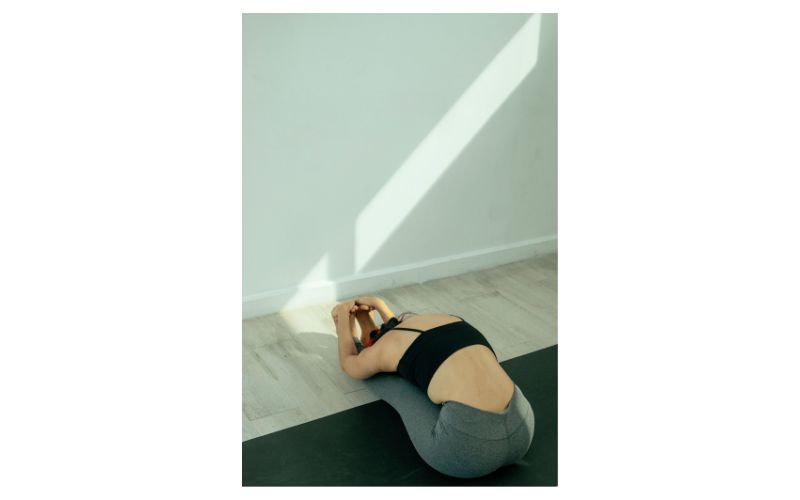
Hours spent hunched over a desk, looking down at a phone, or sitting in the same position for extended periods take a significant toll on posture and spinal health. Yoga’s emphasis on alignment, core engagement, and spinal mobility directly addresses the muscular imbalances that poor posture creates. Poses like cat-cow, cobra, child’s pose, and downward dog gentlystrengthenand stretch the muscles that support the spine, offering real relief for the kind of persistent back pain that has become almost universal among people who work desk jobs.
3. It Genuinely Transforms Your Sleep
If you struggle to fall asleep, stay asleep, or wake up feeling rested, yoga may be worth adding to your evening routine. Restorative yoga and yoga nidra, a guided relaxation practice sometimes called yogic sleep, have been shown to significantly improve sleep quality by calming the nervous system and reducing the mental chatter that keeps many people awake at night. Even ten to fifteen minutes of gentle stretching and breathwork before bed can make a noticeable difference to how quickly you fall asleep and how deeply you rest.

4. It Restores Your Energy and Conquers Fatigue
It might seem counterintuitive to move your body when you are exhausted, but yoga’s combination of breathwork, gentle movement, and mindfulness has a uniquely energizing effect. Morning yoga practices in particular, even short ones, stimulate circulation,oxygenatethe blood, and wake up the body and mind far more gently and sustainably than caffeine. Over time, a consistent practice tends to improve overall energy levels by reducing the stress and tension that drain the body throughout the day.
5. It Dramatically Sharpens Your Focus and Concentration
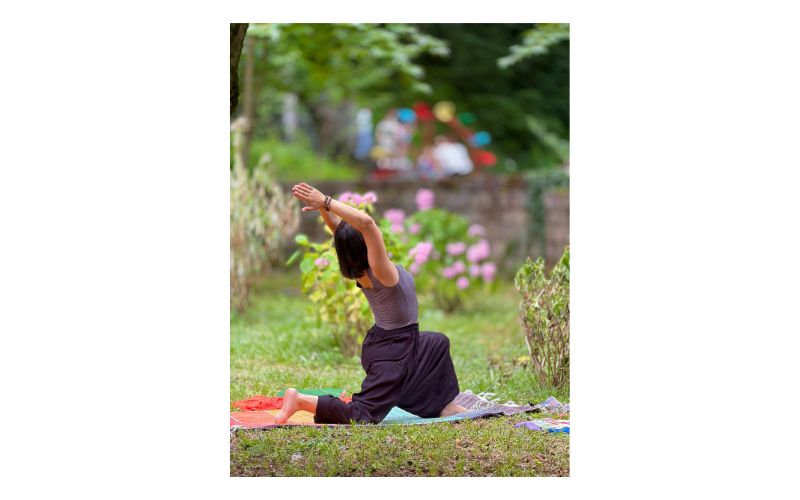
In an age of constant notifications and fragmented attention, the ability to focus has become one of the most valuable and elusive skills. Yoga trains concentration directly. Holding a pose requires present-moment awareness. Following the breath requires attention. Over time, the practice of repeatedly bringing the mind back to the body, especially when it wanders, builds the same mental muscle that focused work demands. Many practitioners report noticeable improvements in their ability to concentrate and sustain attention after establishing a regular yoga routine.

6. It Remarkably Frees Your Body From Stiffness and Tightness
Prolonged sitting is one of the biggest contributors to tight hips, stiff knees, and reduced joint mobility, all of which become more pronounced with age. Yoga’s emphasis on full range of motion movement, particularly in poses like pigeon, warrior, and low lunge, keeps the hips, hamstrings, and joints mobile in ways that most conventional exercise does not prioritize. For anyone who spends long hours seated, even a short daily yoga practice focused on hip openers can deliver significant improvements in mobility and comfort over time.
7. It Beautifully Heals Emotional Overwhelm
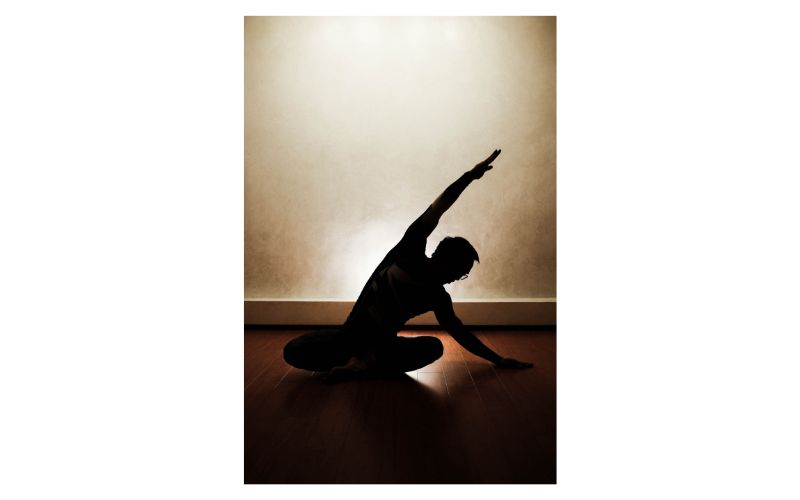
Yoga is one of the few physical practices that explicitly addresses the emotional body alongside the physical one. The connection between breath, movement, and emotional regulation is well established, and many people find that yoga provides a safe space to process difficult emotions that have been stored in the body as tension, tightness, or physical discomfort. Over time, the self-awareness that yoga cultivates makes it easier to recognize emotional patterns, respond rather than react, and return to a sense of equilibrium more quickly after difficult experiences.
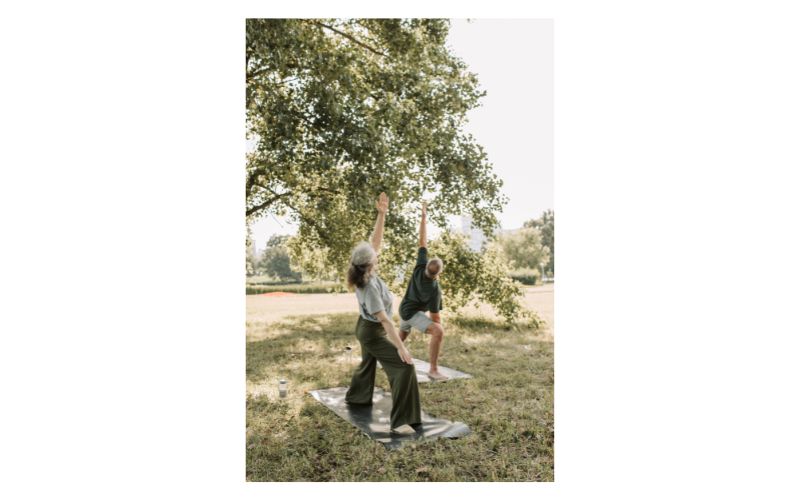
A Practice for Real Life
You do not need an hour on a mat every day to experience yoga’s incredible benefits. Even ten to fifteen minutes of intentional practice, done consistently, can meaningfully transform how you feel, think, and move through the everyday challenges that modern life presents. Start where you are, with what you have, and let the practice meet you there.
Also Read
10 Powerful Minutes: The Short Workouts That Will Completely Transform Your Day
Love Above the Skyline: Why the Empire State Building Proposal Captivated Millions, July 2026
Nepali Cinemas: What’s Hot This Week and Next, July 3-10 2026
Nepali Designers Who Are Making Their Mark on the Global Stage, July 2026
Similar News