How to Help Your Pet With Separation Anxiety: A Practical Guide for Pet Owners, June 2026
- Pets
- Life Style
-
 The Buzz Nepal
 - June 24 , 2026
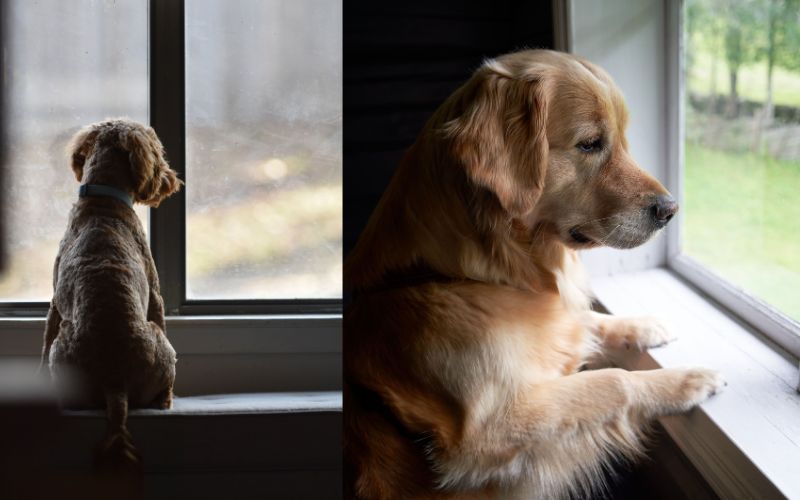
If your dog barks incessantly the moment you leave, your cat destroys furniture when you are out, or you come home to accidents from a pet that is otherwise well trained, separation anxiety may be at the root of it. It is one of the most common behavioral issues in pets, and one of the most distressing for both the animal and the owner. The good news is that with patience, consistency, and the right approach, it is also one of the most manageable.
What Is Separation Anxiety in Pets?
Separation anxiety occurs when a pet becomes distressed in response to being left alone or separated from their primary attachment figure. It is not a sign of bad behavior or poor training. It is an emotional response rooted in fear and insecurity, and it deserves to be treated with the same compassion you would extend to any creature experiencing genuine distress.
Common signs include excessive barking or howling, destructive behavior like chewingfurnitureor scratching doors, house soiling despite being trained, attempting to escape, pacing, drooling, or refusing to eat when left alone. Some pets begin showing signs of distress even before their owner leaves, picking up on cues like keys being picked up or shoes being put on.

Start With Small Separations
One of the most effective ways toaddressseparation anxiety is through gradual desensitization, training your pet to become comfortable with your absence by starting with very short separations and slowly building up over time.
Begin by leaving the room for just a minute or two, returning calmly before your pet has time to become distressed. Gradually increase the duration of your absence over days and weeks. The key is to return before anxiety sets in, so that your pet learns that your departure is not permanent and that calm behavior is rewarded by your return.
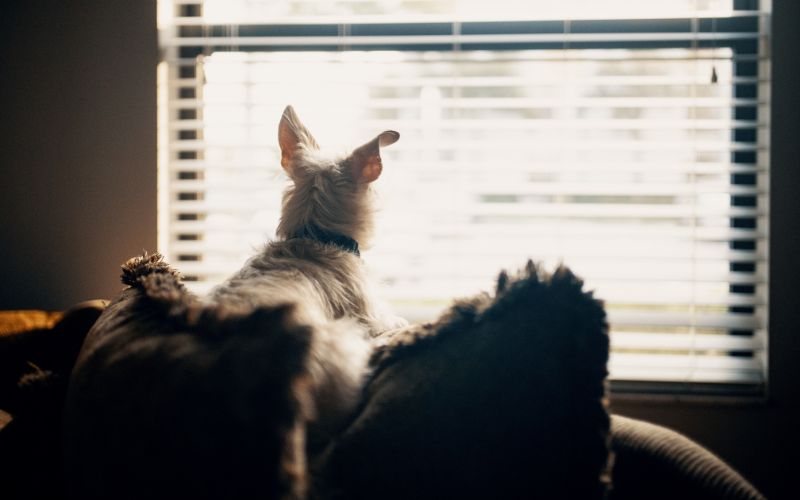
Break the Pattern Around Departures and Arrivals
Many anxious pets fixate on the rituals surrounding departure, getting distressed the moment they see their owner reaching for car keys or putting on a jacket. Disrupting these associations can help reduce pre-departure anxiety significantly.
Practice picking up your keys and then sitting back down. Put your shoes on and then stay home for another hour. Gradually, your pet will stop associating these cues with your imminent departure and the anxiety response will lessen.
Equally important is how you handle arrivals and departures themselves. Avoid long, emotional goodbyes, which can inadvertently signal to your pet that leaving is a significant event worth being anxious about. Return home calmly too, greeting your pet only once they have settled rather than immediately rewarding their excited or anxious state.

Create a Safe and Enriching Environment
A bored, understimulated pet is far more likely to experience and express anxiety than one whose environment keeps them engaged. Before leaving, make sure your pet has access to enrichment that occupies their mind and body in your absence.
For dogs, puzzle feeders, chew toys, and frozen treats like a Kong stuffed with peanut butter can provide mental engagement for extended periods. For cats, window perches, scratching posts, and interactive toys help manage restlessness. Leaving on a calming background noise like soft music or a television can also help some pets feel less alone.
Consider a Companion or Daycare
Some pets, particularly dogs, do significantly better with another animal for company. If your lifestyle and living situation allows for it, a second pet can make a meaningful difference to a dog that struggles with isolation.
For pets with more severe anxiety, doggy daycare or a trusted pet sitter on longer days can provide the social contact and supervision that helps keep anxiety at bay. There is no shame in recognizing that your pet needs more company than your schedule currently allows.
Exercise Before You Leave
A well exercised pet is a calmer pet. Making sure your dog has had a proper walk or play session before you leave for work significantly reduces the restless energy that can amplify anxiety. For cats, an interactive play session before departure can have a similar calming effect.
When to Seek Professional Help
For pets with severe separation anxiety, behavioral modification alone may not be sufficient. If your pet is injuring themselves trying to escape, refusing to eat for extended periods, or showing signs of extreme distress despite your best efforts, it is worth consulting a veterinarian or a certified animal behaviorist.
In some cases, short term medication prescribed by a vet can help take the edge off anxiety enough for behavioral training to become effective. This is not a permanent solution in most cases, but rather a tool that makes the training process more accessible for a highly distressed animal.
Patience Is the Most Important Ingredient
Separation anxiety does not resolve overnight. It requires consistent, patient effort over weeks or even months, and there may be setbacks along the way. The most important thing is to avoid punishment, which only adds fear to an already anxious animal, and to celebrate small wins as they come.
Your pet is not being difficult. They are telling you, in the only language they have, that they are scared. Meeting that fear with understanding and a consistent plan is the most powerful thing you can do.
Also Read
Age Appropriate Diet for Your Pets: What to Feed Them at Every Stage of Life, June 2026
PCOS Has a New Name, And It Changes Everything, June 2026
Therapy in Nepal: Breaking the Stigma Around Seeking Help, June 2026
The World’s Smallest Chef, Le Petit Chef, Has Finally Arrived in Kathmandu, June 2026
Similar News