Age Appropriate Diet for Your Pets: What to Feed Them at Every Stage of Life, June 2026
- Pets
- Life Style
-
 The Buzz Nepal
 - June 24 , 2026
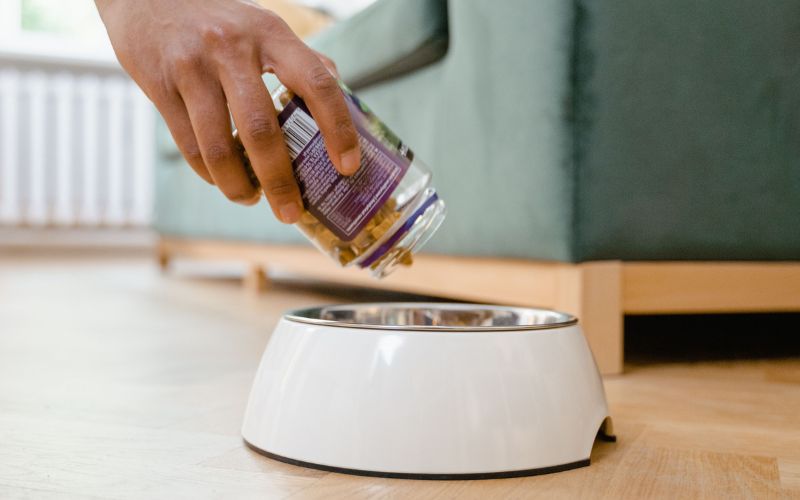
Just like humans, pets have differentnutritionalneeds at different stages of their lives. What works for a bouncy eight week old puppy is not the same as what an aging dog needs to stay healthy and comfortable. Getting your pet’s diet right at every life stage is one of the most impactful things you can do for their long term health, energy, and wellbeing.
Puppies and Kittens: Building the Foundation
The first year of a pet’s life is one of rapid growth and development, and their diet needs to reflect that. Puppies and kittens require food that is high in protein, healthy fats, and essential nutrients like calcium and phosphorus to support bone development, muscle growth, and brain function.
Look for food specifically formulated for puppies or kittens, as these are designed with the right caloricdensityand nutrient ratios for young animals. Avoid feeding adult pet food to young animals during this stage, as the nutritional profile is simply not suited to their developmental needs.
Small, frequent meals work best for puppies and kittens since their stomachs are small but their energy demands are high. Most vets recommend three to four meals a day for very young pets, gradually reducing to two meals as they approach adulthood.
Adult Pets: Maintaining Balance
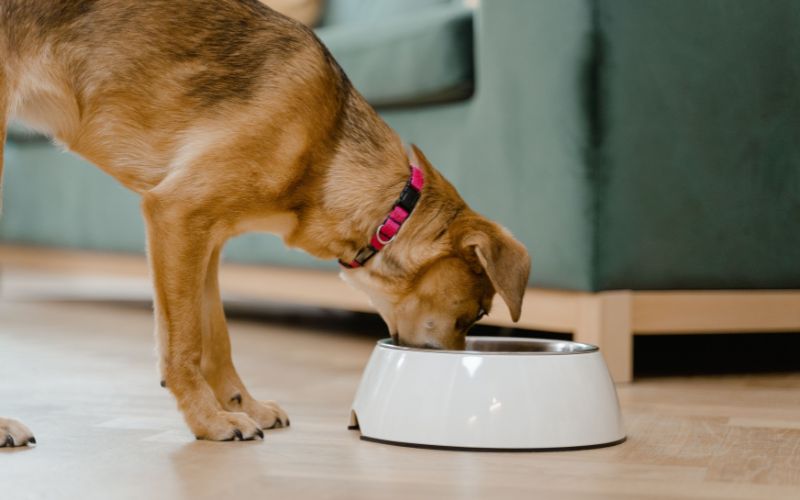
Once your pet reaches adulthood, typically around one year for cats and small to medium dogs, and up to two years for larger dog breeds, the focus shifts from growth to maintenance. Adult pets need a balanced diet that supports their energy levels, healthy weight, coat condition, and immune function without excess calories that could lead to weight gain.
High quality protein should remain the foundation of their diet, alongside healthy fats, complex carbohydrates, and essentialvitaminsand minerals. Portion control becomes increasingly important at this stage, particularly for less active pets or those with a tendency to overeat.
Treats are fine in moderation, but should not make up more than ten percent of your pet’s daily caloric intake. Many commercial pet treats are high in sugar, salt, and empty calories, so choosing natural options like small pieces of cooked chicken, carrot, or plain rice is always a safer bet.

Senior Pets: Adjusting for Age
As pets enter their senior years, typically around seven years old for dogs and cats depending on the breed and size, their metabolism slows, their activity levels often decrease, and they become more susceptible to conditions like arthritis, kidney disease, dental issues, and obesity. Their diet needs to adapt accordingly.
Senior pet food formulas are typically lower in calories but higher in fiber, and often contain added joint support nutrients like glucosamine and chondroitin. Protein remains important, particularly for maintaining muscle mass, but the quality and digestibility of that protein matters more than quantity.
Hydration also becomes increasingly critical for older pets. Senior cats in particular are prone to kidney issues, and encouragingwater intakethrough wet food or a pet water fountain can make a meaningful difference to their kidney health over time.

A Few Universal Rules
Regardless of age, a few dietary principles apply to all pets. Fresh water should always be available. Sudden changes in diet should be made gradually over seven to ten days to avoid digestive upset. Human food should be given with caution, as many common foods including onions, garlic, grapes, chocolate, and xylitol are toxic to pets. And regular vet checkups remain the best way to ensure your pet’s specific dietary needs are being met as they change over time.
Talk to Your Vet
Every pet is an individual. Breed, size, activity level, and health history all influence what the ideal diet looks like. While general guidelines provide a useful starting point, your veterinarian is always the best resource for personalized nutritional advice tailored to your specific pet.
Also Read
PCOS Has a New Name, And It Changes Everything, June 2026
Therapy in Nepal: Breaking the Stigma Around Seeking Help, June 2026
The World’s Smallest Chef, Le Petit Chef, Has Finally Arrived in Kathmandu, June 2026
Miss Nepal 2026 Is Officially Underway: 24 Finalists to Be Revealed at Tomorrow’s Sash Ceremony
Similar News