Redefining Strength: Why Soft Masculinity Is Shaping Men’s Fashion
- Life Style
- Fashion
-
 The Buzz Nepal
 - December 16 , 2025
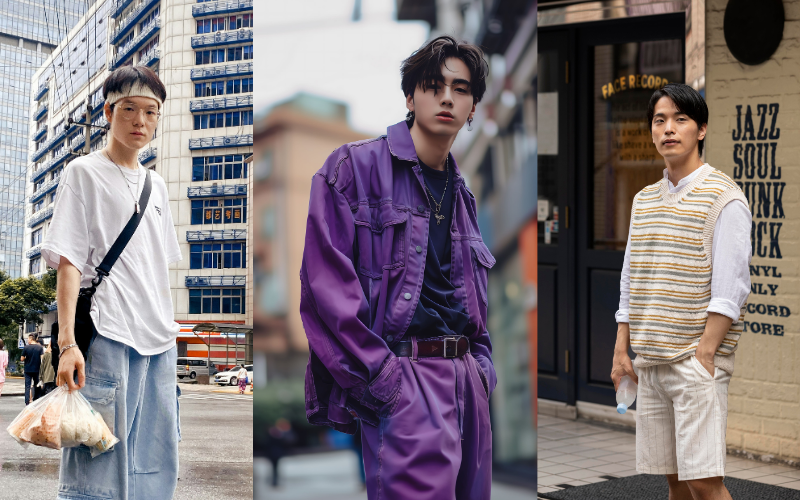
For decades, men’s fashion has been boxed into rigid ideas of masculinity; dark colors, sharp tailoring, and an unspoken rule that softness had no place in menswear. Today, that narrative is being quietly but confidently rewritten. Enter the Soft Man aesthetic, a growing global movement that embraces emotional openness, gentle design, and expressive fashion while still honoring strength and individuality.
At its core, the Soft Man aesthetic challenges the traditional definition of what it means to “dress like a man.” Instead of relying solely on structure and severity, it welcomes pastel palettes, fluid silhouettes, pearls, knitwear, tote bags, and relaxed tailoring. The look is intentional, thoughtful, and deeply personal.
Where Did the Soft Man Aesthetic Come From?
The emergence of the Soft Man aesthetic is closely tied to cultural shifts happening worldwide. Younger generations, especially Gen Z and younger millennials, are increasingly questioning gender norms; not only in conversations around identity, but also in how they express themselves visually. Fashion has become a tool for emotional expression rather than conformity.
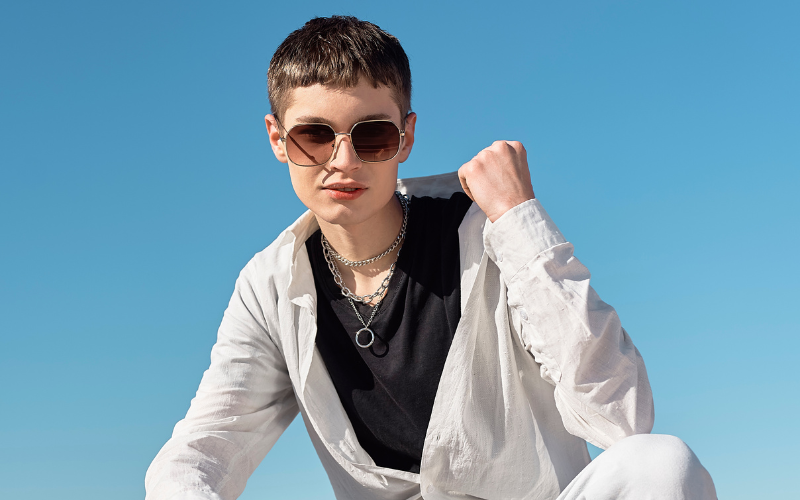
Social media has accelerated this shift. Platforms like Instagram, TikTok, and Pinterest have normalized men wearing blush pinks, sheer fabrics, embroidered details, and jewelry traditionally labeled as “feminine.” Global pop culture has also played a significant role. Artists, actors, and creatives have stepped away from hyper-masculine styling, opting instead for looks that feel human, vulnerable, and artistic.
Rather than rejecting masculinity altogether, the Soft Man aesthetic expands it, proving that sensitivity and strength can coexist.
What Defines the Soft Man Look?
The Soft Man aesthetic is not a strict dress code, but several elements consistently define the style:
- Color Palette: Pastels, muted neutrals, earthy tones, and washed-out shades replace harsh blacks and greys.
- Textures & Fabrics: Linen, cotton, knitwear, silk blends, and soft tailoring that prioritizes comfort.
- Accessories: Pearls, scarves, canvas tote bags, minimal jewelry, and vintage-inspired pieces.
- Silhouettes: Relaxed fits, oversized shirts, cropped trousers, and flowing outerwear.
- Grooming: Natural skin, soft hairstyles, and a move away from aggressive grooming standards.
What makes the aesthetic compelling is its subtlety. It doesn’t demand attention rather it invites conversation.
Why the Soft Man Aesthetic Matters Today
The popularity of this aesthetic reflects a broader cultural desire for emotional honesty and mental well-being. As conversations around mental health become more open, fashion mirrors that vulnerability. Dressing softly becomes a form of self-care and self-expression, allowing men to feel seen without having to conform to outdated expectations.
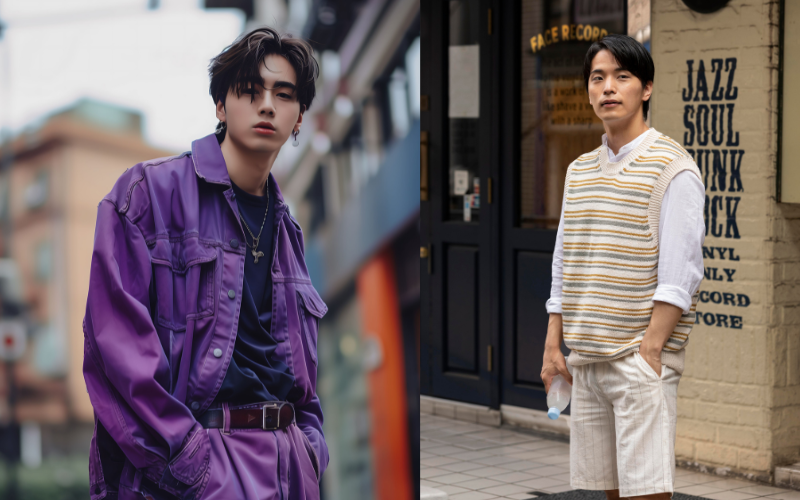
In many ways, the Soft Man aesthetic is a quiet rebellion. It resists the pressure to appear dominant or emotionally distant and instead celebrates empathy, creativity, and gentleness. This is particularly significant in societies where men have historically been discouraged from expressing emotion.
A Global Trend with Local Resonance
While the Soft Man aesthetic has global roots, its appeal is universal. In South Asian contexts, including Nepal, there is a growing openness to experimenting with style while honoring cultural sensibilities. Soft tailoring, handwoven fabrics, and muted tones naturally align with traditional aesthetics, making this trend feel less foreign and more adaptable.
It also aligns with the rise of conscious fashion like slow fashion, sustainable choices, and meaningful consumption. Softness, after all, is not just visual; it is philosophical.
The Future of Masculine Style
The Soft Man aesthetic is not a fleeting trend, rather it signals a long-term shift in how masculinity is perceived. As fashion continues to move toward inclusivity and authenticity, the idea that men must dress a certain way to be taken seriously is losing relevance.
In 2026 and beyond, we can expect men’s fashion to become even more fluid, expressive, and emotionally intelligent. The Soft Man aesthetic proves that vulnerability is not weakness; it is, in fact, a new kind of strength.
Also Read
Otaku Jatra 2025 Brings Competitive eFootball Action with NPR 20,000 Prize Pool
Samir Shrestha Drops New Single: ‘Timi Bhaye Kafi’ for His Upcoming Movie Ramita Ko Pirati
Club 10X Sets the Stage for a Power-Packed December in Kathmandu
Similar News