The Rise of Thrift and Rewear Culture in Nepal
- Life Style
- Fashion
-
 The Buzz Nepal
 - December 30 , 2025

Once seen as a practical necessity rather than a fashion choice, thrift and rewear culture in Nepal is undergoing a stylish rebrand. What was once associated with budget constraints or hand-me-downs has transformed into a conscious lifestyle, one rooted in sustainability, creativity, and individuality. Across Kathmandu and beyond, young Nepalis are redefining what it means to dress well, and in doing so, they are reshaping the future of fashion in the country.
This shift reflects a global movement toward slow fashion, but it also has a distinctly local flavor. In Nepal, thrifting is not just about second-hand clothes; it is about giving garments a second life, resisting waste, and telling stories through style.
From Hidden to Highlighted
For decades, second-hand clothing existed quietly in Nepal, passed between siblings, sold in local markets, or donated within communities. It was functional but rarely celebrated. Today, that narrative has changed. Thrift shopping has stepped into the spotlight, fueled by social media, rising environmental awareness, and a desire to stand out in an increasingly trend-driven world.
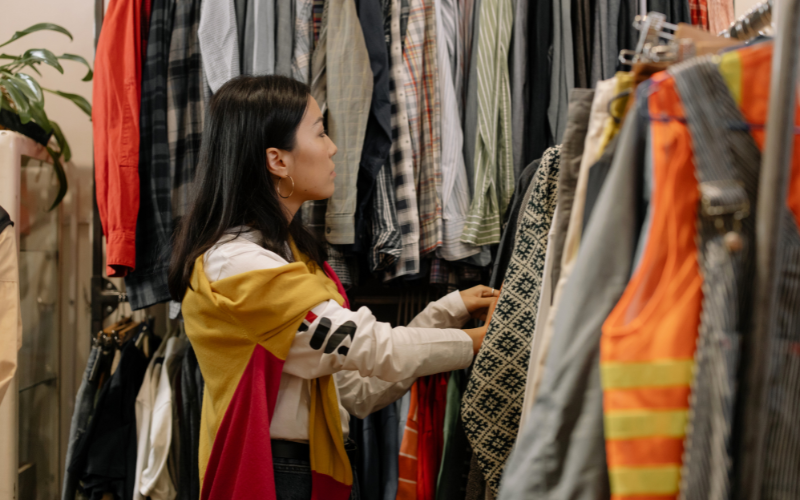
Instagram thrift stores, pop-up flea markets, and TikTok “thrift haul” videos have transformed the act of buying pre-owned clothing into a curated experience. Thrifting is now framed as intentional, ethical, and even aspirational, a marker of taste rather than limitation.
Sustainability Meets Style
One of the strongest drivers behind this cultural shift is sustainability. Fast fashion’s environmental cost is becoming harder to ignore. Young consumers, in particular, are seeking ways to reduce their footprint without giving up personal style.
Thrifting offers an elegant solution. By choosing pre-owned pieces, shoppers extend the life cycle of garments and keep them out of landfills. Rewearing outfits further reinforces this ethic, encouraging people to work with what they already own rather than constantly seeking something new.
In this way, fashion becomes less about consumption and more about intention.
The Power of Rewear
Alongside thrift culture, rewearing has emerged as a statement of confidence. Outfit repetition is no longer taboo, it is embraced. Style influencers and everyday creators alike are showing how a single piece can be styled multiple ways: layered, accessorized, dressed up, or dressed down.
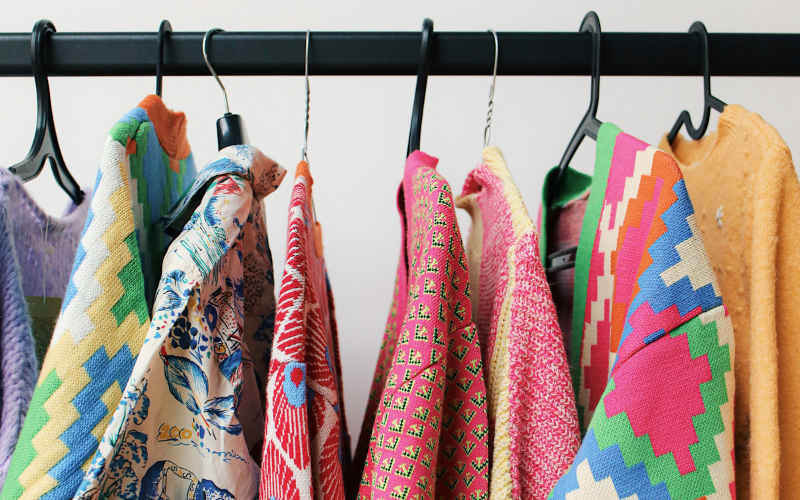
This creative remixing challenges the idea that fashion must always be new to be exciting. Instead, it celebrates versatility, craftsmanship, and thoughtful wardrobe building. A well-loved jacket or pair of jeans becomes a signature rather than a redundancy.
Rewear culture also subtly pushes back against social media’s demand for constant novelty. It invites authenticity into a space often driven by perfection and excess.
A Community-Driven Movement
The rise of thrifting in Nepal is deeply community-oriented. Local thrift pages, weekend pop-ups, and clothing swap events have become social spaces where fashion meets conversation. These platforms support small sellers, encourage circular fashion, and create networks of shared values.
Unlike traditional retail, thrift culture thrives on storytelling, where a piece comes from, who wore it before, and how it can be styled now. Each garment carries history, and that history becomes part of its charm.
More Than a Trend
What makes this movement significant is that it is not fleeting. It represents a shift in mindset. Young Nepalis are increasingly choosing meaning over excess, personality over mass trends, and sustainability over speed.
Thrift and rewear culture signals a move away from disposable fashion toward something more mindful and enduring. It suggests that style is not defined by how often you shop, but by how thoughtfully you dress.

In Nepal, this movement feels especially powerful because it aligns with long-standing cultural values of reuse, respect for resources, and community sharing, now reframed through a modern, stylish lens.
The Future of Fashion in Nepal
As thrift and rewear culture continues to grow, it points toward a future where fashion is slower, more personal, and more responsible. It offers a refreshing alternative to fast fashion’s endless cycle, proving that sustainability and style do not have to exist in opposition.
In Nepal, fashion is becoming less about keeping up and more about standing for something. And in that shift, thrift and rewear are not just changing wardrobes. They are changing values.
Also Read
Remembering Pelé: The King of Football
Franz Kafka’s Most Essential Books and Why They Still Haunt Readers Today
Travel Like a Movie Star: Nepal’s Hidden Gems in Cinema
BHATBHATEY MA Dominates YouTube as Views Surge Rapidly
The IKEA Effect Explained: Why We Value Things More When We Make Them Ourselves
Similar News