Transform Your Day: Slow Living Tips for Busy Urban Souls
- Life Style
-
 The Buzz Nepal
 - December 22 , 2025

Even in the fast-paced rhythm of urban cities, it’s possible to embrace slow living: a lifestyle that focuses on intention, presence, and mindful choices. Here’s how a typical day can be transformed from rush to rhythm.
Morning: Rise Gently
Instead of the blaring alarm and frantic morning rush, slow living begins with intentional mornings. Try waking 15 minutes earlier than usual. Start your day with:
- A mindful stretch or yoga session to wake up your body gently.
- A warm cup of tea or coffee enjoyed without distractions.
- Journaling or gratitude practice to set your mental tone for the day.
Even small rituals can create a sense of calm and readiness before the day begins.

Mid-Morning: Mindful Work
Hectic workdays can still accommodate slow living. Techniques include:
- Batching tasks instead of constant multitasking.
- Taking short breaks to step outside, breathe, or stretch.
- Listening to instrumental or calming music while focusing on tasks.
The goal is intentional productivity: working efficiently without sacrificing mental space.
Afternoon: Nourish and Connect
Lunch can become a slow living ritual:
- Prepare simple, wholesome meals with seasonal ingredients.
- Eat without screens, savoring each bite and appreciating flavors.
- If possible, share meals with colleagues or friends: even a 10-minute chat can reset your energy.
Afternoon walks, even for 10–15 minutes, can refresh both body and mind.
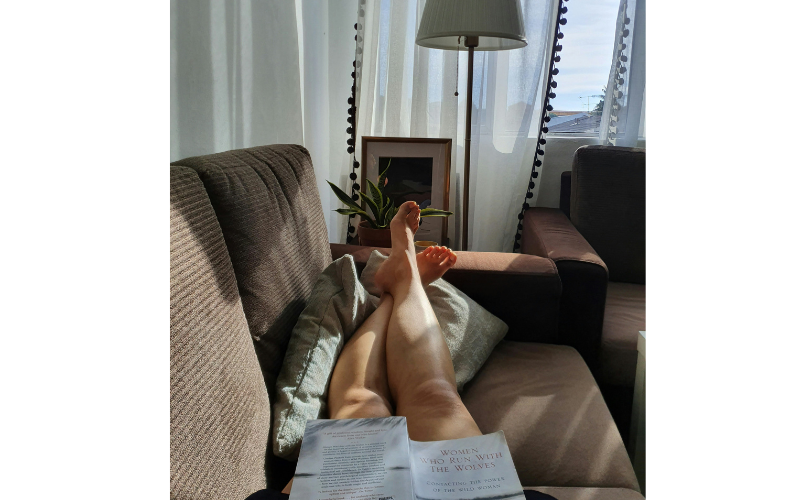
Evening: Unwind with Intention
After work, prioritize activities that recharge you, rather than defaulting to social media scrolling:
- Read a book or listen to a podcast.
- Take a leisurely walk in your neighborhood or a nearby park.
- Engage in a hobby: sketching, cooking, or gardening.
Evening routines should allow the mind to transition from work to personal peace.
Night: Rest and Reflect
Slow living ends with intentional night habits:
- Dim the lights and limit screens 30 minutes before bed.
- Reflect on the day: note what you’re grateful for or what made you feel alive.
- Prepare for tomorrow with calm routines, like laying out clothes or making a simple to-do list.
- Aim for consistent sleep, honoring your body’s natural rhythm.
Sleep becomes a sacred restoration, not just a pause between tasks.
Why Slow Living Works
Slow living isn’t about abandoning responsibilities, it’s about choosing how you spend time, energy, and attention. Even small daily practices: mindful meals, short walks, intentional breaks can create clarity, reduce stress, and increase joy.
In a city as vibrant and hectic as Kathmandu, slow living is a radical act of self-care, allowing you to experience life more fully, one intentional moment at a time.
Also Read
Why Fyodor Dostoevsky Still Matters: 7 Books Every Reader Should Experience
New Music Alert: “Bhool” by SWAR Drops with Lyrical Video
Easy Christmas Sweet Recipe for Nepali Households
The Dunning-Kruger Effect: Why Social Media Makes Everyone Feel Like an Expert
Similar News