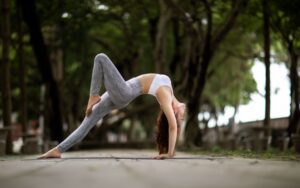
Why Walking Might Be One of The Most Powerful Fitness Habit
- Fitness
-
 The Buzz Nepal
 - December 11 , 2025

In Nepal, fitness trends are changing rapidly. Gyms are on the rise, yoga studios are opening, and social media is filled with workout challenges. Yet, one of the most powerful forms of exercise has been part of our daily lives for generations and that is walking. Whether it is climbing steep stone steps in the hills, navigating Kathmandu’s busy streets, or strolling through neighborhood lanes early in the morning, walking remains one of the most natural and accessible forms of physical activity for Nepalis. What many people overlook, however, is just how effective and sustainable this daily habit can be for long-term health.
Unlike structured workouts that require time, money, or specialized equipment, walking is something almost every Nepali engages in without second thought. Students walk to school, office workers walk to bus stops, shopkeepers walk around marketplaces, and families take evening walks in their local parks. For many, walking is not a formal workout; it is simply part of daily life. But this ordinary movement carries extraordinary benefits.

The geographical nature of Nepal gives walking a unique advantage. Most urban and rural areas are built on slopes, uneven terrains, or stair-filled paths. Climbing hills, navigating inclines, and walking on varied landscapes naturally increase heart rate and activate different muscle groups. Without realizing it, many Nepalis are benefiting from a form of incline training that people in other countries intentionally seek out at gyms. This natural “terrain workout” improves cardiovascular health, builds leg strength, enhances endurance, and supports better balance and stability.
Beyond physical fitness, walking plays a meaningful role in mental well-being. As cities grow busier and the pressure of modern life intensifies, walking offers a simple and accessible escape. Early morning walks along the Bagmati, quiet strolls in Patan’s gallis, or evening laps in community parks give people a rare moment of calm. The rhythm of walking helps reduce stress, clear mental fog, and improve overall mood. For students, professionals, and parents juggling multiple responsibilities, this low-impact activity provides a short but valuable window to reset.

Walking also reflects the social and cultural fabric of Nepal. Many neighborhoods still practice “Bihani ko Hawa Khane”, taking fresh air in the morning. Groups of older adults gather for routine walks, exchanging conversations along the way. Young people walk to meet friends, explore new cafes, or simply enjoy the weather. In rural villages, walking remains a keyway to stay connected with the community; paths between homes, fields, and towns become social spaces where relationships are strengthened. This blend of movement and community creates a positive cycle: walking supports physical health, which in turn enhances emotional connections and social well-being.
With sedentary lifestyles becoming more common, especially among students and office workers, walking is more important than ever. Many people sit for long hours, spend extended time on screens, and struggle to find time for exercise. Adding a 20–30-minute walk to the daily routine can significantly reduce these negative effects. Walking improves circulation, helps regulate weight in a healthy way, boosts energy levels, and supports better sleep. For beginners or those returning to physical activity after a break, walking is a safe and sustainable starting point.

The beauty of walking is that it is flexible, free, and adaptable to any lifestyle. It can be done alone or with friends, in the morning or evening, at a slow pace or brisk one. People can walk around their neighborhood, use public parks, or simply take the longer route instead of the shortcut. In a place like Nepal, where movement is embedded in the rhythm of everyday life, walking is not just exercise; it is a cultural asset and an opportunity to build a healthier future.
In many ways, fitness in Nepal does not always require gyms or equipment. Sometimes, the most effective workout is the one we have been doing all along.
Also Read
Buzz Picks: City’s Hottest Bites
2025: The Breakthrough Year for Nepali Cinema
Executive Chef Lal Bahadur Lama’s Spicy Miso Ramen (Chicken)
Hanok Korean Restaurant – A Taste of Korea in the Heart of Kathmandu
Why a Healthy Work Culture Now Outweighs Traditional Benefits
Similar News