7 Brutal Truths About Tarot Reading That Nobody in Nepal Is Talking About
- Life Style
-
 The Buzz Nepal
 - May 10 , 2026
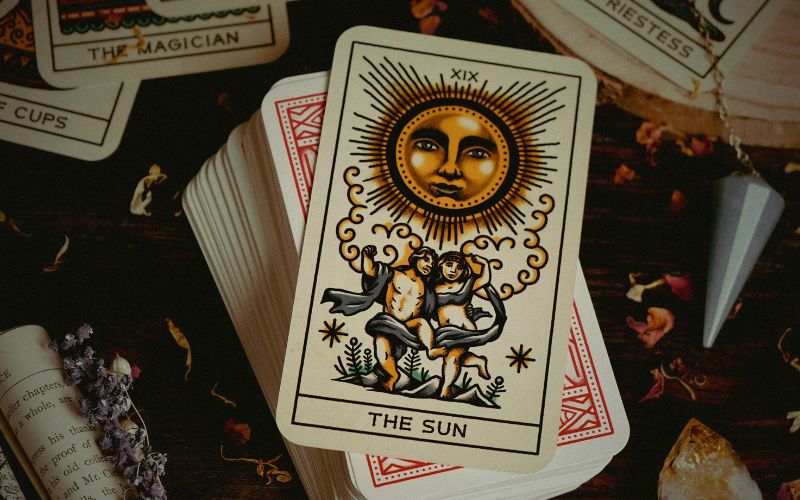
In recent years, tarot card reading has gained popularity in Nepal, especially among young adults exploring alternative spiritual practices. Once seen as niche, tarot has now become more visible through social media,online consultations, and interactive workshops, reflecting a modern approach to self-reflection and guidance.
Why Tarot is Trending
Nepali youth are increasingly turning to tarot for insights into relationships, career, and personal growth. During the pandemic, digital access made it easier to connect withtarot readerslocally and internationally, and platforms like Instagram and TikTok have amplified its

Cultural Context and Skepticism
Despite its growth, tarot reading in Nepal elicits mixed responses. While many participants find it insightful or comforting, others remain skeptical, comparing it to myth or entertainment rather than empirical guidance. These differing attitudes reflect broader cultural debates about spirituality, intuition, and the role of mystical practices in contemporary society. Community discussions on social forums reveal both praise for genuine readings and caution against unverified practitioners or misinterpretations of tarot’s intent.
The Cards Are Out
Scroll through Instagram for five minutes and you will find at least three tarot readers offering sessions in Kathmandu.TikTokis full of pulls and readings and “pick a card” videos racking up hundreds of thousands of views from Nepali audiences. Tarot has gone from something whispered about in certain circles to a fully mainstream conversation, and Nepal has embraced it with remarkable speed.
But in all the excitement, some important conversations are getting lost. Here are seven things nobody seems to be saying out loud.
1. A tarot reading is not a prediction. It is a reflection. The single biggest misconception about tarot in Nepal right now is that a good reader can tell you exactly what is going to happen. They cannot. Tarot works by holding up a mirror to your current energy, patterns, and circumstances. A skilled reader helps you see what you may already know but have not yet acknowledged.
2. Not every reader is qualified, and there is no regulation. In Nepal, anyone can call themselves a tarot reader today and start taking bookings tomorrow. There is no governing body, no certification standard, no way to verify experience or ethics. Some readers are genuinely skilled, deeply intuitive, and practice responsibly. Others are not. Do your research before handing over your money and your vulnerabilities.
3. One reading will not solve your problems. Tarot is a tool, not a solution. It can offer clarity, perspective, and a new way of looking at a situation. But if you are going into a reading expecting it to fix your relationship, resolve your career confusion, or tell you whether to stay or leave, you will likely walk out disappointed. The work still has to be done by you.
4. Your reader’s biases can influence the reading. Every reader brings their own beliefs, experiences, and blind spots to the table. A reader who believes all relationships can be saved may interpret the cards differently than one who believes in walking away. A reading is never entirely objective. It is always filtered through the human being sitting across from you.
5. Becoming dependent on tarot is a real risk. This one is rarely discussed in Nepal’s growing tarot community. Some people begin seeking readings for every major decision, every relationship question, every moment of uncertainty. When a tool for occasional clarity becomes a crutch for daily functioning, it stops being helpful and starts being a problem. Healthy tarot practice means using it as one input among many, not the final word on everything.
6. The energy of the reader matters as much as the cards. Tarot is deeply personal and energetically sensitive work. A reader who is having a bad day, who is distracted, or who is not genuinely invested in your wellbeing can give you a reading that does more harm than good. Trust your instincts when you sit down with someone. If something feels off, it probably is.
7. It can bring up things you are not ready to face. This is perhaps the most important truth of all. A good tarot reading does not just confirm what you want to hear. It can surface fears, patterns, and truths that you have been actively avoiding. That can be genuinely valuable, but it can also be jarring, destabilizing, or emotionally overwhelming, especially without the right support around you. Go in with an open mind, but also with emotional preparedness.
Tarot reading is not inherently good or bad. Like any tool, its value depends entirely on how it is used, by whom, and with what intention. Nepal’s growing curiosity about it is worth celebrating. But curiosity without discernment can be costly. Know what you arewalkinginto before you sit down and let someone read your cards.
Also Read
The World Tour Continues. Nepathya Brings Nepal to Kuala Lumpur This June
Sajjan Raj Vaidya Just Teased Juni, and It Already Feels Like a Song You Have Heard in a Dream
Anuv Jain Is Bringing the Dastakhat World Tour to Kathmandu on May 30
Dhiraj Magar and Miruna Magar Are Sharing the Screen in Kusti, Releasing Asoj 9
Sushant KC Teases New Release Bela Bela With Heartwarming Moments From Kalinchowk
Similar News