Digital Dentistry: Expert Tips for Modern Oral Care
- Expert Tips
- Life Style
-
 The Buzz Nepal
 - March 3 , 2026

Oral health care has evolved dramatically over the last decade. What was once dependent on manual impressions, 2D X-rays, and lengthy laboratory procedures has now shifted toward precision-driven, technology-enabled care. This transformation is known as digital dentistry, an advanced approach that integrates digital tools into diagnosis, treatment planning, and clinical procedures to improve accuracy, comfort, and long-term outcomes.
Digital dentistry is not just about machines or software; it represents a new standard of patient-centered care. It allows dentists to diagnose problems earlier, plan treatments more precisely, and deliver results that are predictable, minimally invasive, and aesthetically superior.
What is Digital Dentistry?
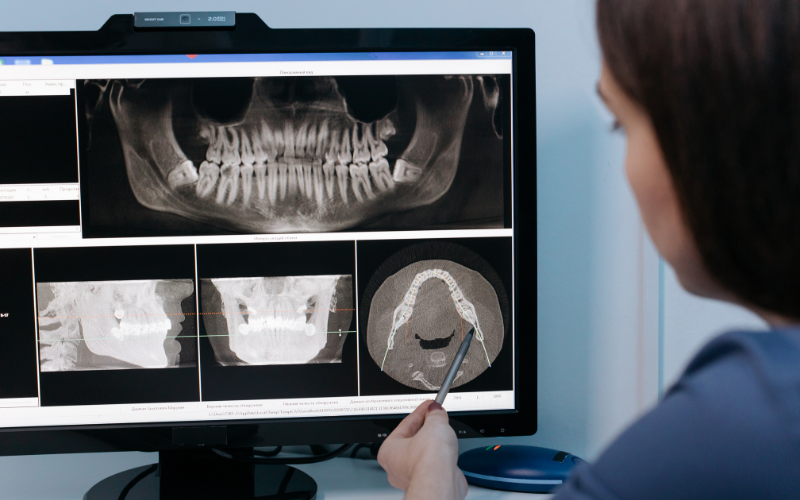
Digital dentistry refers to the use of computer-based technologies in dental practice. It includes digital imaging, 3D scanning, computer-aided design and manufacturing (CAD/CAM), laser dentistry, and digitally guided implant systems. These tools help create detailed visualizations of teeth, gums, bone structure, and oral tissues.
Instead of traditional impression materials that can be uncomfortable, digital intraoral scanners capture precise 3D images within minutes. Instead of waiting weeks for restorations, digital systems can design and fabricate crowns with exceptional precision.
The result? Faster procedures, greater comfort, and highly accurate outcomes.
Importance of Digital Dentistry in Diagnosis
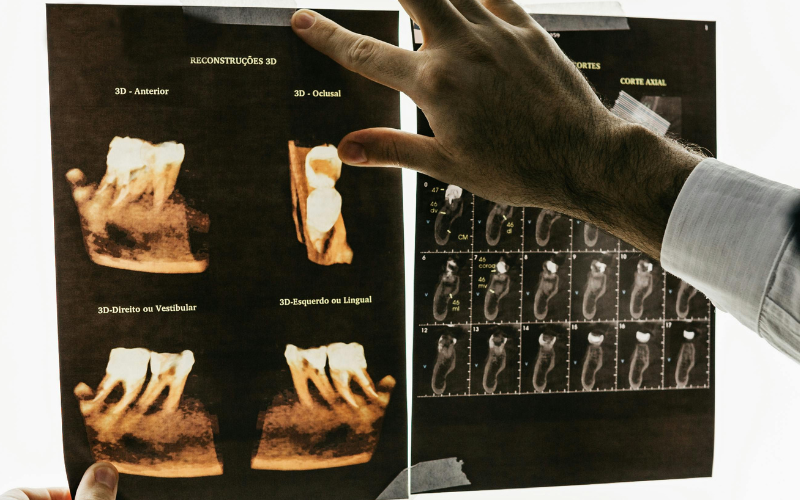
Accurate diagnosis is the foundation of successful treatment. Digital technologies significantly enhance our ability to detect and evaluate oral conditions at an early stage.
1. Digital Radiography:
Modern digital X-rays use significantly lower radiation compared to conventional methods while producing high-resolution images. These images allow early detection of cavities, bone loss, infections, and hidden dental pathology.
2. 3D Imaging and CBCT:
Cone Beam Computed Tomography (CBCT) provides three-dimensional views of teeth, jawbones, sinuses, and nerve pathways. This is especially crucial for implant planning, complex extractions, and root canal treatments. It reduces surgical risks and improves procedural accuracy.
3. Intraoral Scanning:
Digital scanners generate real-time 3D models of the patient’s mouth. This not only improves diagnostic clarity but also enhances communication, patients can visualize their dental condition and better understand their treatment options.
Early and precise diagnosis leads to conservative treatments, lower costs, and better long-term oral health outcomes.
Role of Digital Dentistry in Treatment
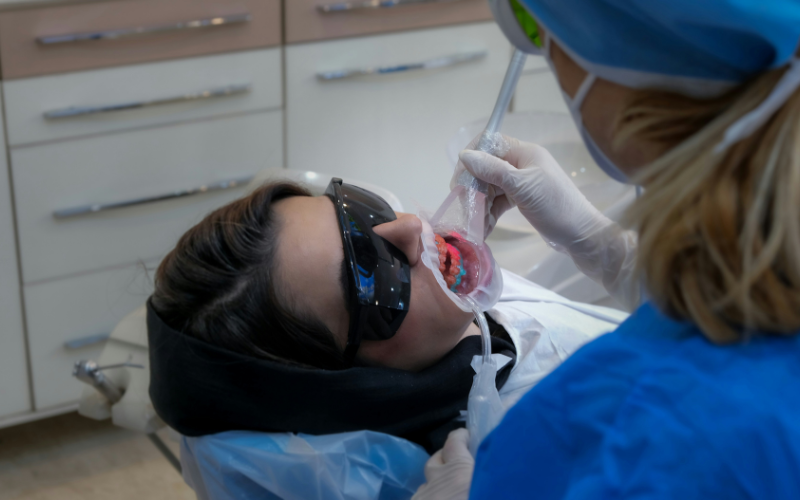
Digital technology is redefining how treatments are delivered.
1. Digital Smile Design (DSD):
Smile makeovers are no longer based on guesswork. Digital smile design software allows patients to preview their new smile before treatment begins. This improves confidence and ensures that aesthetic expectations are met.
2. CAD/CAM Restorations:
Computer-aided design and manufacturing enable the creation of crowns, veneers, bridges, and inlays with exceptional accuracy. These restorations fit better, last longer, and require fewer adjustments.
3. Guided Implant Surgery:
Dental implants demand precision. Using digital planning software and CBCT imaging, implants can be placed with millimeter-level accuracy. This reduces surgery time, enhances healing, and improves long-term stability.
4. Laser Dentistry:
Lasers allow minimally invasive soft tissue procedures with reduced bleeding, faster healing, and greater comfort.
5. Clear Aligners and Orthodontics:
Digital scanning and planning systems enable customized orthodontic treatment through clear aligners, improving aesthetics and predictability.
Enhancing Patient Experience
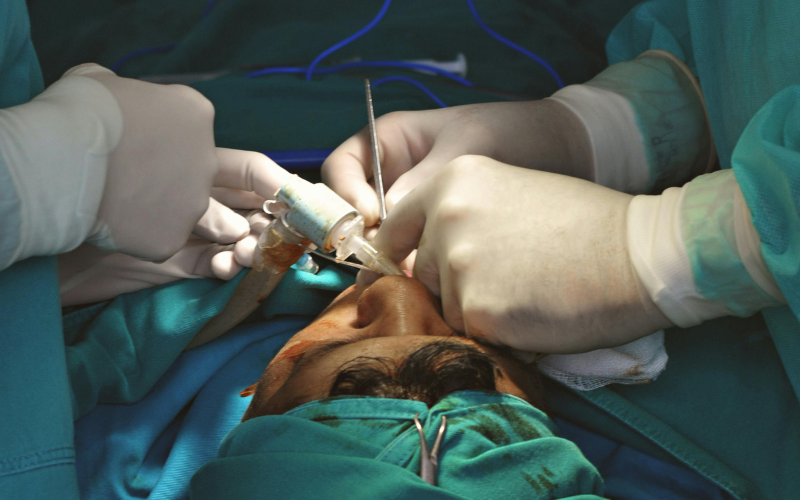
Beyond clinical accuracy, digital dentistry greatly improves the patient journey:
- Shorter appointments
- Less discomfort
- Faster turnaround time
- Transparent communication
- Predictable results
Patients are more informed and engaged in their treatment decisions when they can visualize the process digitally.
The Future of Oral Healthcare
Digital dentistry is not a trend, it is the future of dental care. As artificial intelligence and advanced imaging continue to evolve, diagnosis will become even more precise and treatments more customized.
However, technology alone is not enough. The expertise of the clinician, ethical treatment planning, and patient education remain equally important. When advanced digital systems are combined with skilled hands and compassionate care, the result is a superior standard of oral healthcare.
Dr. Nikita Agarwal is committed to delivering advanced, patient-focused dental care through modern digital solutions at Studio Dentale in Kathmandu.
About Author
Dr. Nikita Agarwal is a Prosthodontist and Oral Implantologist based in Nepal, specializing in digital dentistry and advanced implant rehabilitation. She holds an MDS in Prosthodontics and is a Fellow and Master of the International Congress of Oral Implantologists (ICOI). As the founder of Studio Dentale, she integrates digital technologies such as intraoral scanning, CAD/CAM, and 3D printing into clinical practice. She is also actively involved in academic training and professional education.
Instagram: @dr_nikita.agarwal | @studiodentale_

Also Read
Priyanka Karki’s Emotional Short Film ‘Button (टाख)’ Officially Released
15-Minute Morning Yoga for Busy Moms: A Small Ritual That Changes Everything
Manisha Maharjan Joins International Film Project Nutopia
Teriya Magar Confirmed To Join Dayahang Rai and Saugat Malla in Her Debut Film “Mitjyu”
Similar News