Move Smarter, Not Harder: The Fitness Trends Defining 2026
- Fitness
- Life Style
-
 The Buzz Nepal
 - June 28 , 2026

The way people work out is changing. The all-or-nothing, punish-yourself approach to fitness isquietlygiving way to something more intelligent, more sustainable, and more personal. Whether you are just starting out or have been training for years, here is what is shaping the fitness world in 2026.
Training for Life, Not Just for Looks
Perhaps the most significant shift infitnessculture this year is that people are no longer driven primarily by how they look, but by how they live. Longevity and healthy aging are now the fastest growing fitness goals, signaling a cultural move toward health span, mobility, and feeling better every day.
The goal is no longer a number on the scale. It is energy, strength, and staying active well into old age.
Strength Training Is Having Its Moment
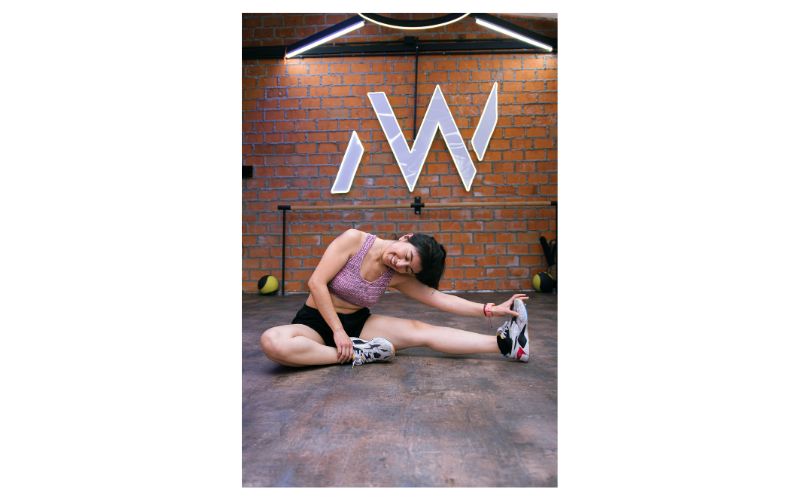
Strength trainingis taking center stage in 2026, and not because of aesthetics. Building lean muscle supports your metabolism, increases daily energy, and improves overall resilience. It is not about getting bulky. It is about getting stronger, more capable, and more confident in your body.
The old myth that weights are only for serious athletes or that lifting makes you bulky is losing ground fast, and more people, particularly women, are discovering the long-term benefits of a consistent strength practice.
Walking Is Back, and More Intentional Than Ever
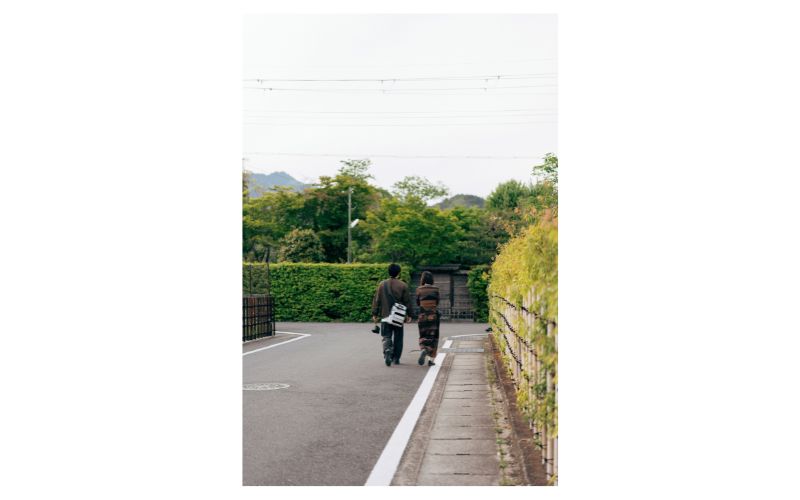
Japanese walking saw a staggering 2,986 percent surge in global interest this year, making it one of the fastest growing fitness trends of 2026. The method alternates between fast and slow walking intervals and is grounded in research showing genuine benefits forcardiovascularhealth and metabolic function.
For anyone who feels like they do not have time to exercise, this is a reminder that one of the most effective tools is already built into your day.
Community Is Making a Comeback
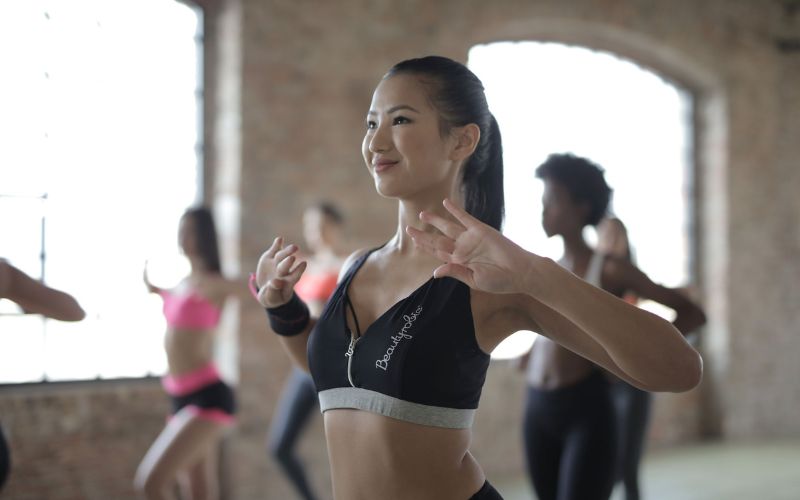
One of the most powerful fitness trends of 2026 is the return to community based training. People are realizing that going it alone often leads to inconsistency. Motivation fades. Accountability lasts.
Group classes, running clubs, and recreational sport leagues are all growing in popularity, offering not just physical benefits but the social connection that makes showing up feel worthwhile.

Recovery Is No Longer an Afterthought
Cold plunges, infrared saunas, percussive therapy, and better sleep routines are driving a major shift in how people think about recovery. Rest is part of training, not a break from it. When you give your body time to repair between sessions, muscles rebuild stronger and energy levels improve.
In 2026, scheduling a rest day carries the same weight as scheduling a workout.

Fitness Is Blending Into Everyday Life
As remote and hybrid work become the norm, fitness is blending into the workday. Walking pads, compact treadmills that fit under standing desks, let people log thousands of steps while working. Fitness is not a separate part of life anymore. It is being woven into how people live and work every day.
Shorter, more intentional workouts that fit into a busy day are proving far more sustainable than hour-long gym sessions that get skipped when life gets in the way.

What Is Fading Out
Extreme crash programs, 30-day transformation challenges, and the idea that fitness has to hurt to work are all losing credibility. Sustainable systems with structured workouts, strength training, and balanced intensity are what keep results coming long after the first few weeks. Sustainable fitness is not flashy. It is consistent.
The Bottom Line
2026 is the year fitness stopped being about extremes and started being about longevity. Move smarter, recover better, and train for a life worth living.
Also Read
Thirteen Years Later, Bistarai Bistarai Still Feels Like Yesterday, June 2026
Kathmandu Is Celebrating the 4th of July, and Everyone Is Heartly Invited
How to Help Your Pet With Separation Anxiety: A Practical Guide for Pet Owners, June 2026
Age Appropriate Diet for Your Pets: What to Feed Them at Every Stage of Life, June 2026
Similar News