No Time, No Space? Here’s How to Build a Yoga Practice That Actually Fits Your Busy Life, June 2026
- Life Style
- Health
-
 The Buzz Nepal
 - June 28 , 2026
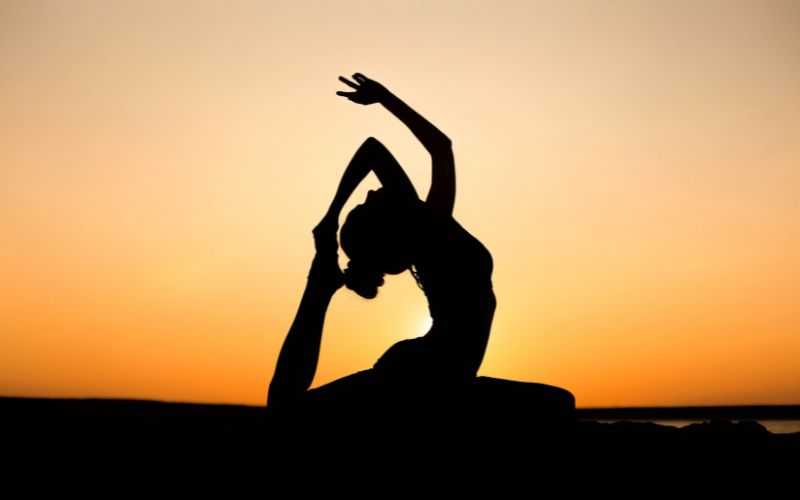
Between long workdays, endless notifications, and packed schedules, finding time for yoga can feel like one more task on an alreadyoverwhelmingto-do list. Add a small apartment or shared living space to the mix, and rolling out a yoga mat may seem nearly impossible.
The good news is that building a home yoga practice doesn’t require a dedicated studio, expensive equipment, or even an hour of free time. What matters most is consistency, not perfection. With a few simple adjustments, anyone can make yoga a sustainable part of daily life, regardless of how busy they are.
Start Small Instead of Starting Big
One of the biggest mistakes beginners make is believing they need to commit to a 60-minute session every day. In reality, even five to ten minutes ofintentionalmovement can improve flexibility, reduce stress, and help establish a lasting habit.
Rather than aiming for perfection, focus on showing up. A few stretches after waking up, a short breathing exercise before bed, or a quick flow between meetings can have a meaningful impact over time.
Remember, consistency always beats intensity.
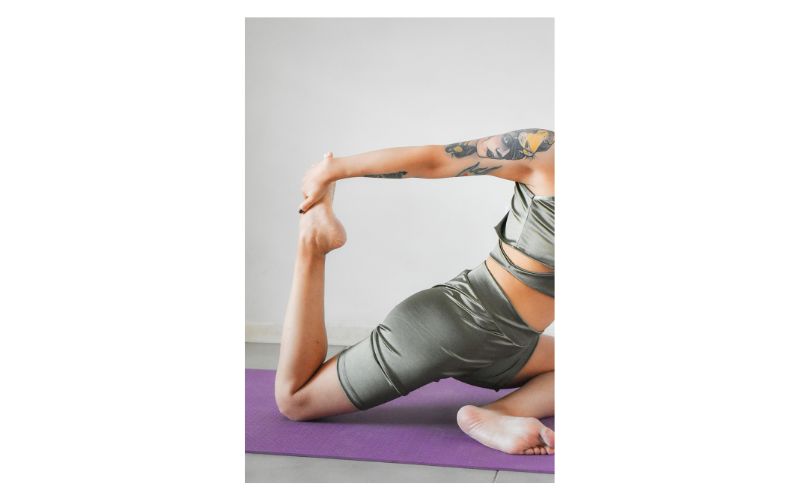
Your Living Room Is More Than Enough
You don’t need a large home gym or an Instagram-worthy yoga corner to practice. Most yoga poses require only enough space to stretch your arms and legs comfortably. A bedroom, hallway, balcony, or even the area beside your bed can become your practice space.
If space is limited, simply move a chair or coffee table aside for a few minutes. The goal isn’t to create the perfectenvironmentbut to create one that works for you.
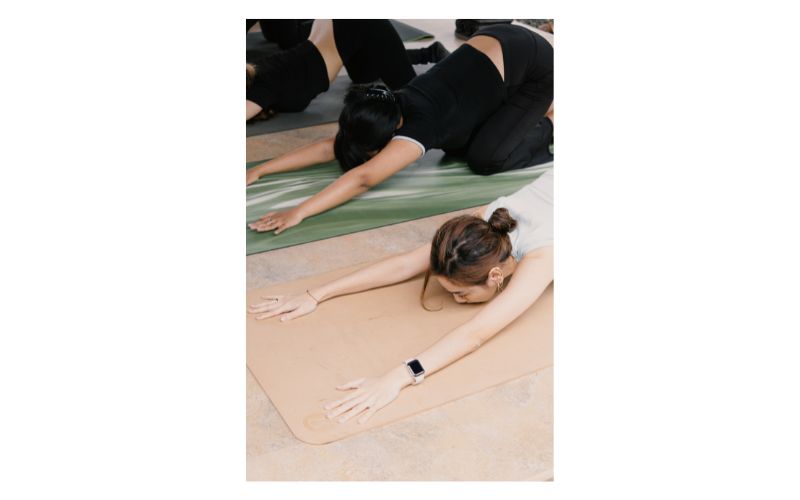
Build Yoga Into Your Existing Routine
Instead of searching for extra time, attach yoga to habits you already have.
Try a few stretches after brushing your teeth in the morning. Practice mindful breathing while waiting for your coffee to brew. End your workday with a short relaxation sequence before reaching for your phone.
These small habit pairings make it much easier to stay consistent because you’re building on routines that already exist.
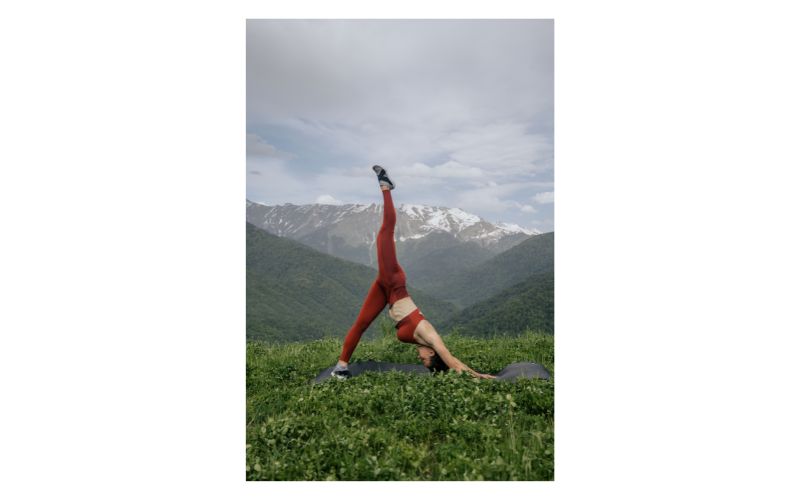
Focus on What Your Body Needs
Not every yoga session has to be physically demanding. Some days your body may need energizing sun salutations, while other days it simply needs a few gentle stretches or a moment of stillness.
Listen to how you’re feeling rather than forcing yourself into a rigid schedule. Yoga is meant to support your body, not compete with it.
Giving yourself permission to adapt your practice can make it more enjoyable and sustainable in the long run.
Keep Equipment to a Minimum
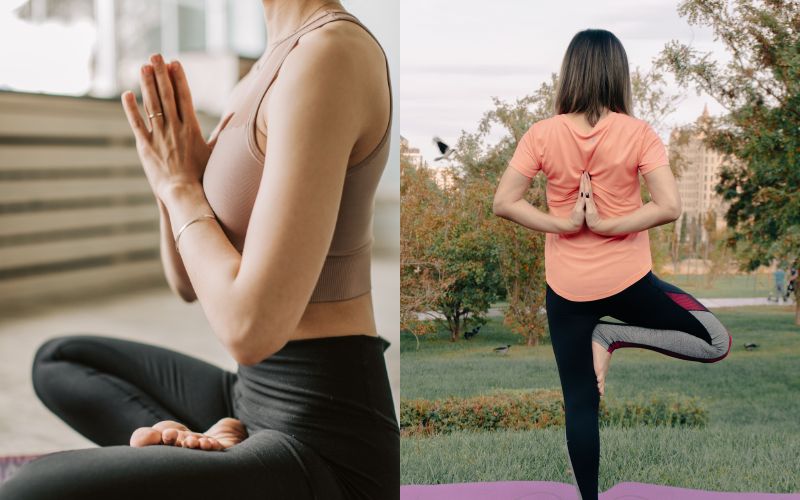
A yoga mat is helpful, but it isn’t essential. A carpet, towel, or non-slip surface can work just as well for many beginner-friendly practices.
Likewise, you don’t need blocks, straps, or specialized clothing to get started. Comfortable clothes that allow you to move freely are often all you need.
Removing the pressure to buy equipment makes yoga more accessible andeasierto begin immediately.
Disconnect to Reconnect
One of the greatest benefits of practicing yoga at home is the opportunity to step away from constant digital distractions. Even ten minutes without notifications can help calm the nervous system and improve focus.
Consider putting your phone on silent or using it only to follow a guided session before setting it aside. Those few uninterrupted moments can become a valuable mental reset during a busy day.
Progress Isn’t About Perfect Poses
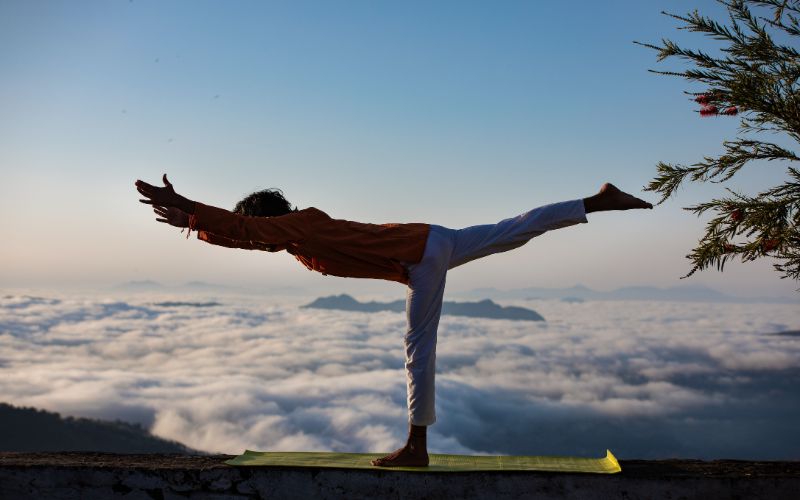
Social media often showcases advanced yoga poses that can feel intimidating, especially for beginners. However, the true purpose of yoga isn’t mastering handstands or achieving extreme flexibility.
Progress is measured by how you feel, not by how a pose looks. Better sleep, reduced stress, improved posture, and increased body awareness are all meaningful signs that your practice is working.
The Best Practice Is the One You’ll Keep
Creating a home yoga routine isn’t about finding extra hours or transforming your home into a studio. It’s about making movement accessible, enjoyable, and realistic for your lifestyle.
Whether it’s five minutes of stretching before work or a relaxing flow before bedtime, every session counts. Over time, those small moments add up to a healthier body, a calmer mind, and a habit that’s built to last.
After all, the best yoga practice isn’t the longest one. It’s the one you return to, day after day.
Also Read
5 Reasons Why Purna Rai’s New Single ‘Jiwana Maya’ Is Becoming Everyone’s Favorite
Swoopna Suman Unveils Beautiful New Single ‘Ghar Kaha Paryo’ Featuring Nikhita, June 2026
Move Smarter, Not Harder: The Fitness Trends Defining 2026
Thirteen Years Later, Bistarai Bistarai Still Feels Like Yesterday, June 2026
Kathmandu Is Celebrating the 4th of July, and Everyone Is Heartly Invited
Similar News