How to Introduce a New Pet to Your Home the Right Way, July 2026
- Pets
- Life Style
-
 The Buzz Nepal
 - July 1 , 2026
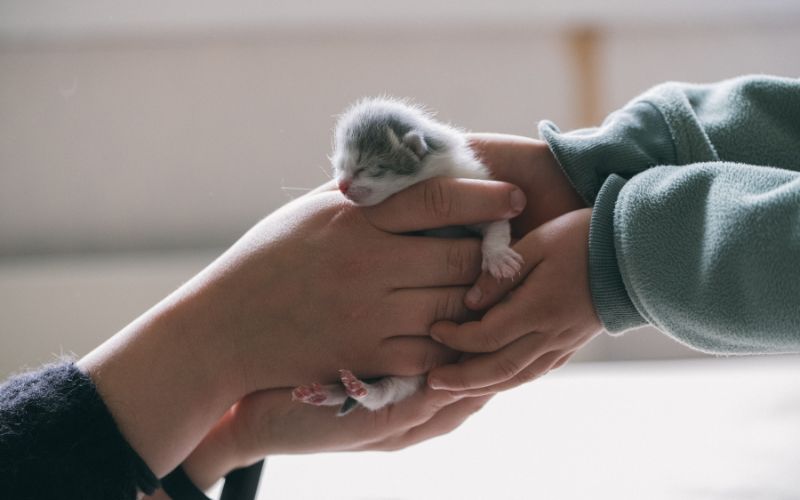
Bringing a new pet home is one of the most exciting things you can do as ananimallover. But for the animals involved, it can also be one of the most stressful. A new environment, unfamiliar smells, strange sounds, and the presence of other animals or people can overwhelm even the most easygoing pet. Getting the introduction right from the very beginning sets the tone for everything that follows, and the good news is that with a little patience and preparation, it does not have to be complicated.
Prepare Your Home Before They Arrive
Before your new pet even crosses the threshold, take time to set up a dedicated space that is entirely theirs. A quiet corner with their bed, food and water bowls, and a few toys gives them a safe retreat to decompress in during thoseoverwhelmingfirst hours and days. This is especially important if you already have other pets at home. Your new animal needs a space where they can feel secure without being immediately confronted by a resident pet they have never met.
Pet-proof the area they will have access to initially. Remove anything chewable, breakable, or potentially harmful, and make sure escape routes like open windows or gaps under gates are secured.

Take the First Introduction Slowly
One of the biggest mistakes new pet owners make is rushing the introduction process. Whether you are bringing a puppy into a home with an older dog, introducing a kitten to a resident cat, or welcoming any new animal into an existing pet household, slow and controlled is always better than fast and chaotic.
For dogs, the first meeting should ideally happen on neutral ground, somewhere neither dog considers their territory, like a park or quiet street. Keep both dogs on leads, allow them to approach at their own pace, and watch body language carefully. Loose, relaxed postures are positive signs. Stiff bodies, raised hackles, or fixed staring warrant more distance and time.
For cats, a direct face-to-faceintroductionis rarely a good idea. Instead, keep the new cat in a separate room initially and allow the two cats to smell each other under the door for several days before any visual contact. Swap bedding between the two to help them get used to each other’s scent gradually.

Let Them Set the Pace
Every animal adjusts differently. Some pets settle in within a day or two. Others need weeks before they feel truly comfortable. The most important thing you can do during this period is resist the urge to force interaction, whether between your pets or between your new animal and family members.
Let your new pet come to people on their own terms.Crouchingdown to their level, speaking softly, and offering treats without demanding attention in return builds trust far more effectively than picking them up or cornering them for affection before they are ready.

Monitor Early Interactions Closely
Never leave a new pet unsupervised with a resident pet during the early introduction phase, no matter how well things seem to be going. Even animals that appear friendly can react unpredictably when food, toys, or territory are involved. Supervised interactions that end on a positive note are far more valuable than long unsupervised periods that risk an incident setting the relationship back significantly.
Keep early shared time short and gradually increase it as both animals show consistent signs of comfort and ease around each other.

Give Your Resident Pet Extra Attention
It is easy to get caught up in the excitement of a new pet and inadvertently neglect the one who was already there. Your resident pet may feel displaced, confused, or even jealous during this transition. Making a conscious effort to maintain their routine, give them dedicated one-on-one time, and reassure them that their place in the home has not changed goes a long way toward reducing tension and helping them accept the new arrival.
Be Patient With Setbacks
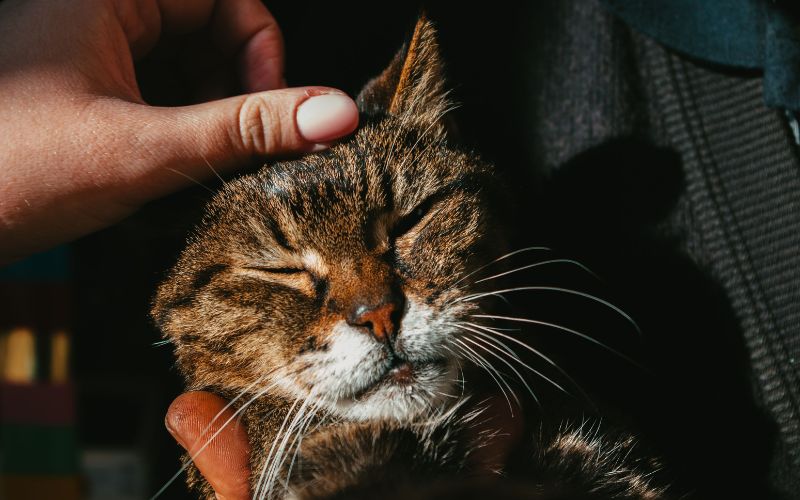
There will be moments of tension, the occasional hiss, growl, or standoff that makes you wonder if you made a mistake. This is normal. Progress is rarely linear when it comes to introducing animals, and a bad day does not undo the progress already made. Stay calm, separate the animals if needed, and give everyone time to reset before trying again.
With consistency, patience, and a willingness to go at the animals’ pace rather than your own, most introductions eventually find their rhythm. And when they do, watching two animals that once regarded each other with suspicion curl up together for the first time is one of the most rewarding things a pet owner can witness.
Also Read
Your Canine Best Friend is Begging for a Companion: 5 Powerful Clues To Find Out How
No Time, No Space? Here’s How to Build a Yoga Practice That Actually Fits Your Busy Life, June 2026
5 Reasons Why Purna Rai’s New Single ‘Jiwana Maya’ Is Becoming Everyone’s Favorite
Swoopna Suman Unveils Beautiful New Single ‘Ghar Kaha Paryo’ Featuring Nikhita, June 2026
Similar News