Matcha, Chai, or Coffee? The New Beverage Debate
- Food And Drinks
-
 The Buzz Nepal
 - December 16 , 2025
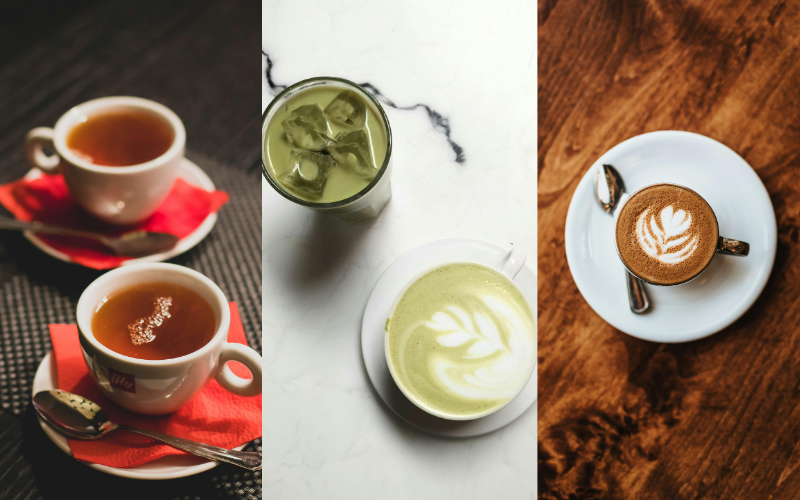
Walk into any cafe in Kathmandu today and check the menu, you will clearly notice that the beverage culture is changing. Where coffee once dominated as the default choice, matcha lattes and artisanal chai now stand confidently beside espresso-based classics. This shift is not about replacing one drink with another; it reflects changing lifestyles, wellness priorities, and how younger generations connect with what they consume. The question is no longer what do you drink, but what does your drink say about you?
Coffee: The Longtime Favorite That’s Evolving
Coffee has long been the backbone of cafe culture in Nepal. From early-morning black coffee routines to afternoon cappuccinos, it remains a reliable staple. However, the way people consume coffee is changing. It is no longer just a quick caffeine fix; it is an experience.
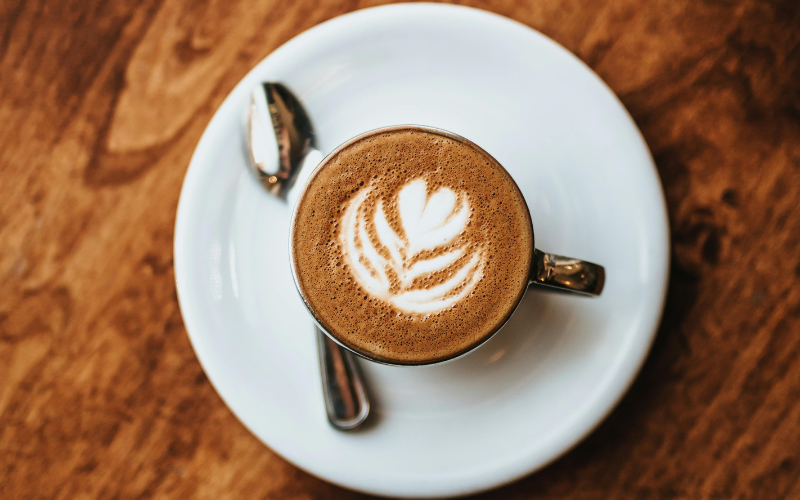
Specialty coffee, single-origin beans, cold brews, and alternative milk options have elevated coffee from habit to lifestyle choice. Cafes now emphasize sourcing, roasting methods, and brewing techniques, appealing to consumers who value quality and transparency. Coffee still symbolizes productivity and urban pace, but today it carries a softer, more mindful image than before.
Chai: Tradition Reimagined for a New Generation
Chai has always been deeply rooted in Nepali households. It is comfort, conversation, and culture in a cup. What’s interesting now is how chai has been reintroduced to younger, urban audiences in a refreshed form.

Modern cafes are experimenting with spiced blends, oat milk chai lattes, and beautifully presented cups that bridge tradition with aesthetics. Chai is no longer confined to kitchens and tea stalls; it has found its place on curated cafe menus. For many, choosing chai is an emotional decision. It represents familiarity, warmth, and cultural pride in an increasingly globalized food landscape.
Matcha: The Wellness-Led Newcomer
Matcha’s rise in Nepal mirrors a global shift toward wellness-driven consumption. Known for its antioxidant properties and steady energy release, matcha appeals to those looking for alternatives to coffee’s sharp caffeine spikes.

Beyond health benefits, matcha fits seamlessly into visual culture. Its vibrant green hue, minimalist presentation, and association with calm and balance make it especially popular among Gen Z and millennials. Matcha lattes, iced matcha, and even matcha desserts have become symbols of slow living and intentional choices. Drinking matcha is often less about habit and more about identity.
More Than a Drink: Lifestyle and Identity
The debate between matcha, chai, and coffee goes beyond taste. Each beverage represents a different lifestyle narrative. Coffee aligns with fast-paced routines and creative energy. Chai reflects rootedness, comfort, and connection. Matcha speaks to mindfulness, wellness, and modern minimalism.
Social media has amplified these identities. Beverage choices are now photographed, shared, and aestheticized, turning everyday drinks into expressions of personal branding. Cafes, in response, curate menus that cater not just to flavor preferences but to moods and moments.
So, Which One Wins?
The truth is, there is no clear winner. The rise of matcha does not signal the fall of coffee, nor does modern chai replace tradition. Instead, Nepal’s beverage culture is becoming more inclusive and layered. People are choosing different drinks at different times of the day, depending on how they want to feel.
This evolving debate highlights a broader shift toward conscious consumption. Whether it’s the comfort of chai, the familiarity of coffee, or the calm of matcha, today’s consumers are prioritizing meaning as much as taste.
In the end, the real winner is choice and the freedom to drink what resonates with you.
Also Read
Redefining Strength: Why Soft Masculinity Is Shaping Men’s Fashion
Otaku Jatra 2025 Brings Competitive eFootball Action with NPR 20,000 Prize Pool
Samir Shrestha Drops New Single: ‘Timi Bhaye Kafi’ for His Upcoming Movie Ramita Ko Pirati
Club 10X Sets the Stage for a Power-Packed December in Kathmandu