Why Texture Is the Secret Ingredient to an Expensive Looking Home
- Life Style
- Interior
-
 The Buzz Nepal
 - December 16 , 2025
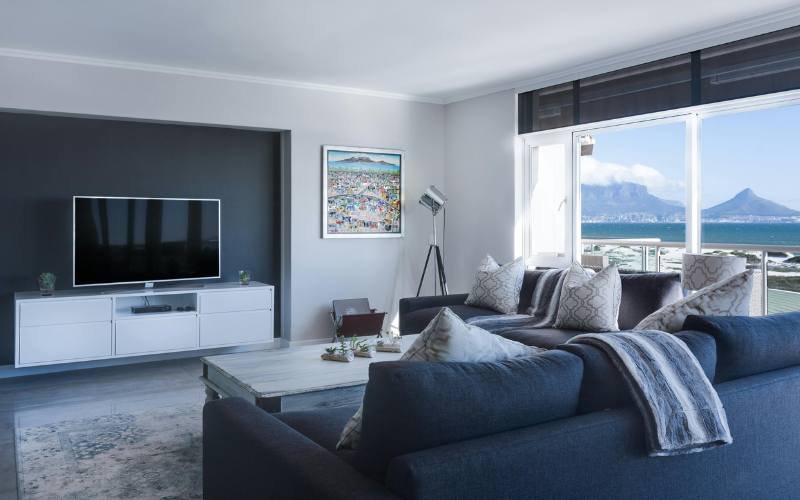
In interior design, luxury is no longer defined by price tags or statement furniture alone. Today, the most refined spaces share one quiet secret: TEXTURE. From softly rumpled linens to raw wood, layered fabrics, and tactile surfaces, texture is what gives a room depth, warmth, and that effortlessly expensive feel, without trying too hard.
Gone are the days when glossy finishes and perfectly matched sets signaled sophistication. Modern interiors, especially those inspired by global design houses and editorial spreads, lean into imperfection, contrast, and sensory richness. Texture is the element that turns a space from flat to editorial.
Why Texture Matters More Than Decor
A room can have beautiful furniture and still feel lifeless. Texture is what brings it to life. It adds dimension, breaks visual monotony, and makes a space feel curated rather than staged.
Designers often say that the most luxurious interiors are the ones you want to touch. Whether it’s a boucle sofa, a woven rug, or limewashed walls, texture engages more than just the eyes. It creates warmth and comfort.
In an era where minimalism still dominates but cold spaces are falling out of favor, texture has become the bridge between clean design and lived-in elegance.
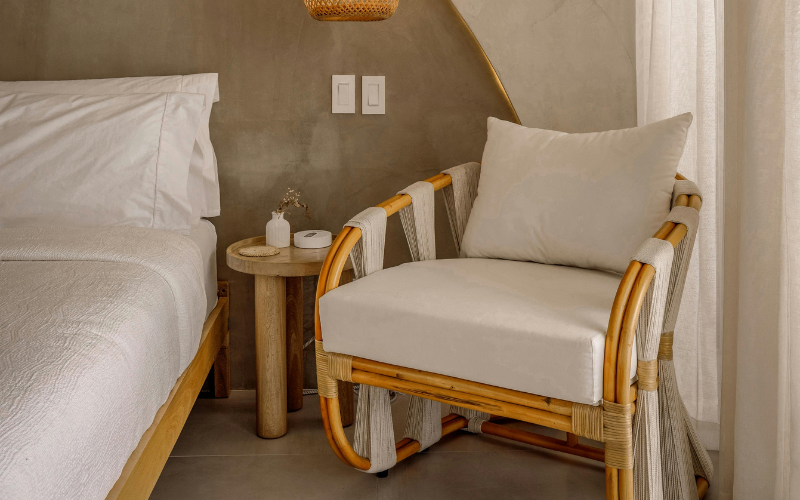
The Art of Layering Textures
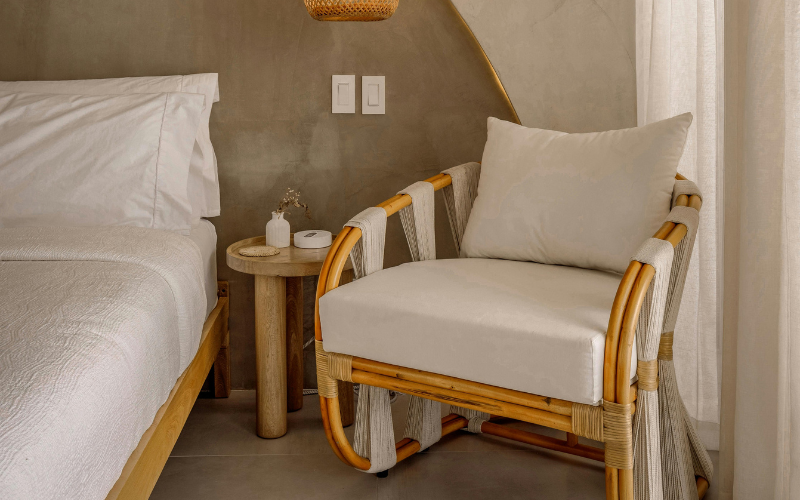
Interiors thrive on layering. The goal is not excess, but thoughtful contrast. A sleek wooden table paired with soft linen chairs. A smooth wall balanced with a textured rug. A structured sofa softened with knit cushions.
The key is mixing materials:
- Soft fabrics like linen, cotton, wool, and boucle
- Natural elements such as wood, stone, clay, and cane
- Subtle metallics for contrast, not shine
Layering texture makes a room look intentional. It suggests that the space evolved over time rather than being bought in one shopping trip.
Walls Aren’t Meant to Be Flat Anymore
One of the biggest interior shifts right now is the move away from plain painted walls. Textured walls think limewash, plaster finishes, subtle paneling, or even fabric-backed surfaces are making a strong return.
These finishes add depth without overwhelming the space. They catch light differently throughout the day, creating a soft, dynamic look that instantly elevates a room. Even neutral tones feel richer when texture is involved.
For those not ready to commit to wall treatments, textured art, tapestries, or statement mirrors can achieve a similar effect.
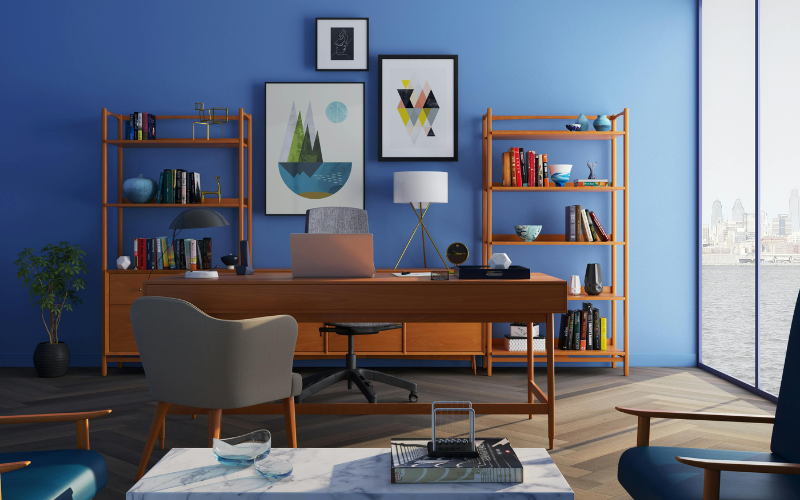
Soft Furnishings Do the Heavy Lifting
If there’s one area where texture truly shines, it’s soft furnishings. Curtains, cushions, throws, and rugs are the easiest way to make a space feel luxurious.
Think sheer curtains layered with heavier drapes, cushions in mixed fabrics, or rugs with visible weave and depth. These elements add visual richness while remaining practical and adaptable.
The trick is restraint. Too many textures can feel cluttered; the right balance feels curated and editorial.
Texture Over Trends
What makes texture especially powerful is its timelessness. While colors and styles change, texture remains relevant. A neutral space layered with tactile elements will always feel current, regardless of trends.
This is why many designers now recommend investing less in trendy decor and more in quality materials. A well-made linen sofa or solid wood table ages beautifully and adds character over time.
In South Asian homes, including Nepali interiors, texture already exists naturally, handwoven fabrics, wooden details, stone elements. The modern approach is simply about letting these materials shine instead of covering them up.
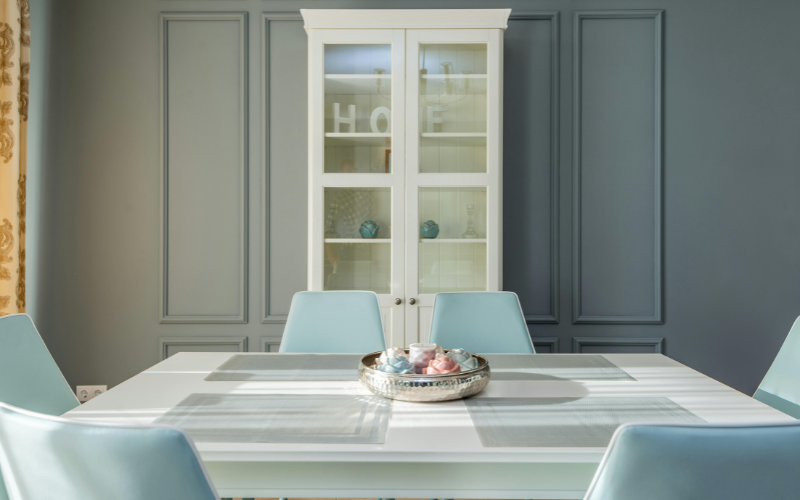
Luxury today is quiet. It doesn’t announce itself; it’s felt. Texture is what makes a room feel thoughtful, warm, and effortlessly expensive. It’s not about filling a space but enriching it. In the end, the most stylish interiors aren’t the ones that look perfect, they’re the ones that feel good to live in. And texture is what makes that possible.
Also Read
“Rock Rock, Sock Sock”: The Beat-Word Trend Dominating Instagram Reels Right Now
Matcha, Chai, or Coffee? The New Beverage Debate
Redefining Strength: Why Soft Masculinity Is Shaping Men’s Fashion
Otaku Jatra 2025 Brings Competitive eFootball Action with NPR 20,000 Prize Pool
Samir Shrestha Drops New Single: ‘Timi Bhaye Kafi’ for His Upcoming Movie Ramita Ko Pirati
Similar News